IPL 2026: “Release” – Aaron Finch gives blunt verdict on Ruturaj Gaikwad and Cameron Green’s Future

Contents
- 1 Aaron Finch’s Strategic Insight on IPL 2026 Player Retentions
- 2 Ruturaj Gaikwad: A Case for Strategic “Release”
- 3 Cameron Green: Balancing Talent with Workload Concerns
- 4 Yuzvendra Chahal: Questioning the Veteran Leg-Spinner’s Peak
- 5 Broader Perspectives: Emerging Talent and Seasoned Campaigners
- 6 The Strategic Chessboard of IPL Retentions
Aaron Finch’s Strategic Insight on IPL 2026 Player Retentions
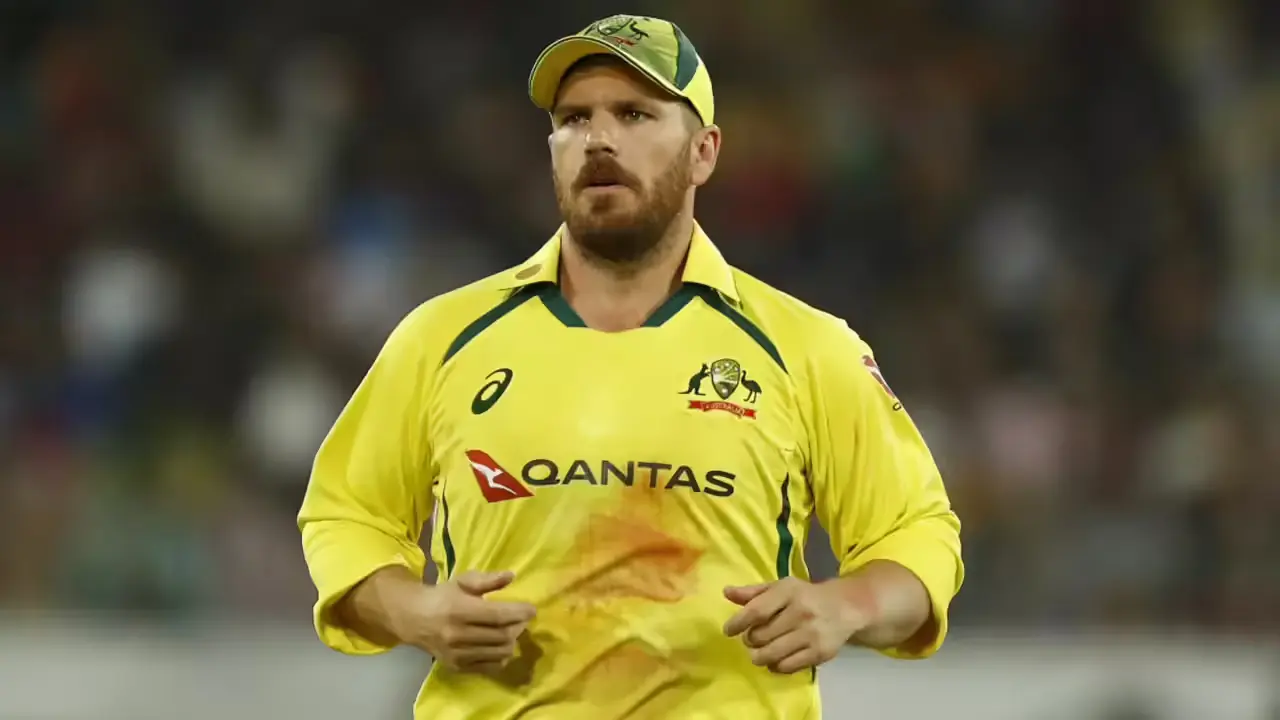
The intense two-month spectacle of IPL 2026 is drawing to a close, having captivated cricket enthusiasts with its thrilling encounters and unpredictable outcomes. As the dust settles on another electrifying season, franchises have already shifted their focus to the crucial planning stages for the next season. This involves meticulous reviews of overseas combinations, stringent salary budget assessments, and, most importantly, making difficult retention and release decisions before the upcoming mini-auction. In this dynamic and high-stakes environment, former Australian captain and astute cricket analyst Aaron Finch has offered his candid evaluations on which players franchises should strategically retain or consider releasing.
Finch, renowned for his sharp cricketing intellect, has advocated for a smarter, more calculated approach to managing expensive players. His insights delve deep into the delicate balance between a player’s perceived value, their actual on-field performance, and the financial ramifications for the franchise. His commentary provides a fascinating glimpse into the strategic chessboard that IPL teams navigate annually.
Ruturaj Gaikwad: A Case for Strategic “Release”
One of Finch’s most striking recommendations involves Chennai Super Kings’ opener, Ruturaj Gaikwad. Despite his undeniable talent and occasional flashes of brilliance, Finch believes that the franchise might benefit from a strategic “release.” Finch explicitly stated, “I think release ’cause you’d be able to buy him back cheaper than that.” This bold suggestion stems from Gaikwad’s substantial 18 crore salary tag for the season, which, in Finch’s view, may not have been consistently justified by his output.
Gaikwad’s season performance saw him accumulate 337 runs in 14 matches at an average of 28.08 and a strike rate of 123.44. While these numbers are respectable, Finch’s concern lies in the opener’s inability to consistently convert his starts into big, match-winning scores, particularly for a player commanding such a premium price. The strategy of releasing a player with a high price tag to potentially re-acquire them at a lower cost in the auction is a calculated risk, but one that could offer significant financial flexibility to a franchise like CSK, allowing them to reallocate funds to other crucial areas of the squad.
Cameron Green: Balancing Talent with Workload Concerns
Another significant assessment from Finch focuses on the substantial investment in Australian all-rounder Cameron Green. Green, who represented Kolkata Knight Riders after being bought for a staggering Rs 25.2 crore, also came under Finch’s scrutinizing gaze. While acknowledging Green’s immense potential and multifaceted skills, Finch expressed reservations, primarily concerning the all-rounder’s physical condition and the demands of his international commitments. He articulated, “That’s a lot of money for a player that you don’t know what their body’s going to be like, especially with Australia with so much Test cricket coming up. I’ll say release to buy him back pending how his body is shaping up after a huge workload.”
Green’s performance this season saw him score 310 runs at an impressive strike rate above 150 and pick up five wickets. These contributions highlight his capability, but the specter of his heavy international workload, particularly with Australia’s demanding Test schedule on the horizon, adds a layer of complexity. Franchises must weigh the immediate benefits against the long-term risk of player availability and fitness. Finch’s advice suggests a pragmatic approach: prioritize the player’s long-term health and the team’s financial prudence, even if it means temporarily letting go of a top talent.
Yuzvendra Chahal: Questioning the Veteran Leg-Spinner’s Peak
Finch’s analysis extended to veteran leg-spinner Yuzvendra Chahal, prompting a query regarding his current form and tactical usage. His commentary revealed a nuanced perspective: “Tossing up whether Yuzi is past his best. His best is still fantastic. So many left-handers and throughout the season we saw a reluctance to bowl him in some crucial stages which we haven’t seen before in the past. So I’m going to say release.”
Chahal, playing for Punjab Kings on an 18 crore contract this season, secured 12 wickets in 12 matches at an economy rate of 9.39. While he delivered impressive spells, such as figures of 2/25 against Lucknow Super Giants, his consistency throughout the campaign appeared to fluctuate. Finch highlighted a noticeable shift in tactical confidence, particularly against left-handed batters during the middle overs, where Chahal was historically a formidable force. The reluctance by teams to deploy him in crucial match situations, a departure from his usual role as a primary wicket-taker, indicates a potential strategic re-evaluation of his current value and effectiveness in the fast-paced T20 format.
Broader Perspectives: Emerging Talent and Seasoned Campaigners
Beyond these high-profile names, Finch also cast his expert eye over other players, offering a comprehensive outlook on various player profiles and their suitability for retention.
Prashant Veer: Backing Future Potential
Despite a relatively high price tag for an uncapped batter, Finch sees a promising future for young Prashant Veer. He believes there is sufficient raw talent to build around for the long term. “Did we see enough of him? There’s enough there to build for the future. Yes, it’s a big price, but retain.” This highlights a willingness to invest in potential, understanding that not every player delivers immediate returns but can be a crucial asset for future seasons.
Ajinkya Rahane: Style vs. Modern T20 Demands
Finch praised veteran batter Ajinkya Rahane’s inherent quality and experience but raised pertinent questions about whether his batting approach aligns with the modern aggressive style of powerplay batting in T20 cricket. “His best is still good enough but is the game going in a different direction especially inside the power play? 1.5, retain.” This nuanced view suggests that while Rahane still possesses the skill, the evolving demands of the format, particularly in the crucial powerplay overs, necessitate a re-evaluation of his role within a T20 squad.
Rishabh Pant, Suryakumar Yadav, and Hardik Pandya: Varied Fortunes
Finch’s advice extended to releasing expensive players like Rishabh Pant, especially after Lucknow Super Giants finished tenth in the league, indicating that high individual price tags must correlate with team performance and consistent impact. Conversely, he unequivocally backed retentions for proven match-winners and team leaders like Suryakumar Yadav and Hardik Pandya, whose consistent performance and leadership qualities make them indispensable assets for their respective franchises.
The Strategic Chessboard of IPL Retentions
Aaron Finch’s comprehensive analysis offers a compelling glimpse into the strategic considerations that IPL franchises face during the retention period. His blunt verdicts on players like Ruturaj Gaikwad and Cameron Green underscore a growing trend in the league: a move towards greater financial prudence and tactical flexibility. Franchises are increasingly willing to make difficult decisions, prioritizing long-term squad health and auction strategy over simply retaining big names at exorbitant prices.
The upcoming IPL 2026 mini-auction promises to be a fascinating spectacle, with teams carefully weighing current performance against future potential, player workloads, and the ever-present pressure of the salary cap. Finch’s insights serve as a valuable blueprint for understanding the complex dynamics at play, where a strategic “release” can often pave the way for a stronger, more balanced squad in the seasons to come. The delicate balancing act of squad building, financial health, and securing top talent will define the success of teams in the next iteration of the Indian Premier League.