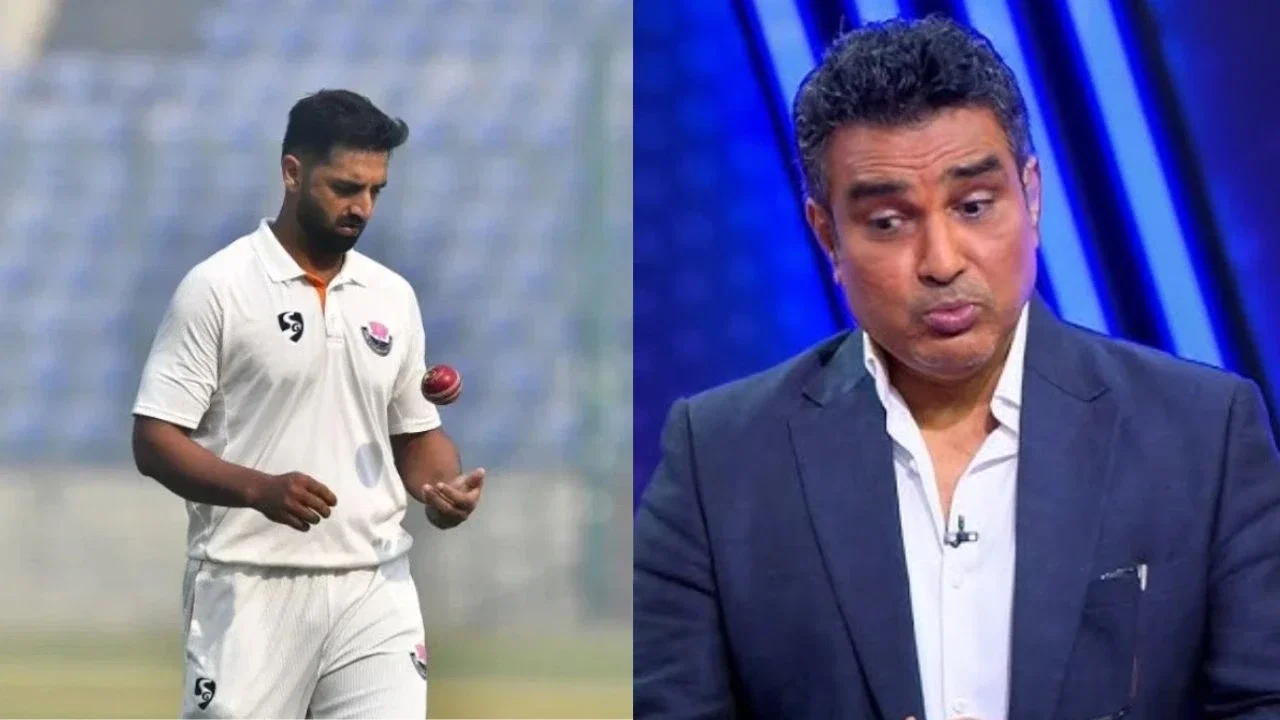
“Tremendous injustice”: Sanjay Manjrekar fumes over Auqib Nabi’s snub despite st – Sanjay Manjrekar Slams Auqib Nabi Snub: A Disrespect to Ranji Trophy
Contents
The Growing Discontent Over Selection Policies
In the high-stakes world of Indian cricket, the path from domestic dominance to national team selection is often paved with scrutiny. However, the recent omission of Jammu & Kashmir pacer Auqib Nabi from the India squad to face Afghanistan has left many experts, including former batter Sanjay Manjrekar, questioning the logic behind the selectors’ decisions. While the BCCI prepares for the upcoming one-off Test at the Maharaja Yadavindra Singh International Cricket Stadium in Mullanpur, the discourse has shifted toward the perceived devaluation of the Ranji Trophy.
A Statistical Phenomenon Ignored
To understand the gravity of the situation, one must look at the sheer weight of Auqib Nabi’s recent performances. Nabi finished the latest edition of the Ranji Trophy as the tournament’s highest wicket-taker, playing a pivotal role in leading Jammu & Kashmir to their maiden title. His statistics are nothing short of extraordinary: 60 wickets in 10 matches at a bowling average of 12.56, including seven five-wicket hauls. Furthermore, he was one of only two bowlers to achieve multiple 10-wicket match hauls during the season.
When combined with his performance in the previous edition—where he was the second-highest wicket-taker with 44 scalps at an average of 13.93—the numbers paint a picture of a bowler in peak form. Over the last two seasons, Nabi has amassed a staggering 104 wickets in 18 matches, maintaining a remarkable bowling average of 13.14 with 13 five-wicket hauls. Despite this output, he has not found a place in even the India A setup.
Sanjay Manjrekar’s Blistering Critique
Speaking on the Sportstar Insight Edge podcast, Sanjay Manjrekar did not mince his words. He termed the exclusion a ‘tremendous disrespect’—not just to Nabi, but to the sanctity of the Ranji Trophy itself. Manjrekar argued that if such high-level domestic performances are consistently overlooked, it undermines the entire domestic structure.
“It’s actually ridiculous,” Manjrekar stated. “When Mohammed Shami and Mohammed Siraj are not playing, whether because they are being rested or for long-term planning, then you might as well not have the Ranji Trophy if performances like these are going to be ignored.” The former batter highlighted that when the national team is looking to manage workloads for stars like Shami and Jadeja, players with proven track records in domestic cricket should be the natural successors.
Contextualizing the Selection
The squad announcement for the Afghanistan Test also featured several other notable talking points. Rishabh Pant has been relieved of vice-captaincy duties, with KL Rahul taking over the role. Meanwhile, Ravindra Jadeja has been rested due to workload management, and youngsters like Manav Suthar, Harsh Dubey, and Gurnoor Brar have earned their maiden call-ups. While the inclusion of fresh talent is a standard part of squad building, the absence of an experienced wicket-taker like Nabi remains a point of contention.
The IPL Factor
While the statistics in red-ball cricket are undeniable, some observers point to Nabi’s recent struggles in the IPL 2026 as a potential reason for his snub. Representing the Delhi Capitals, Nabi struggled to make an impact, failing to take a single wicket in five appearances while conceding runs at an economy rate exceeding 11. However, many cricket pundits argue that judging a bowler’s suitability for Test cricket based on a brief, high-pressure T20 stint is a flawed approach that ignores his long-form prowess.
Final Thoughts
As the Mullanpur Test approaches, the debate surrounding Auqib Nabi’s exclusion serves as a reminder of the complex relationship between domestic performance and international selection. For now, the ‘tremendous injustice’ highlighted by Manjrekar continues to echo through the corridors of Indian cricket. Whether this signals a shift in selection priorities or merely a temporary oversight, the pressure remains on the selectors to justify why a bowler of Nabi’s caliber remains on the outside looking in.