Pakistan Players’ Revolt vs Mohsin Naqvi’s PCB After Bangladesh Defeat Leaked – Pakistan Cricket Crisis: Players Revolt Against PCB Following Bangladesh Defeat

Contents
Turmoil Within Pakistan Cricket: A Team in Disarray
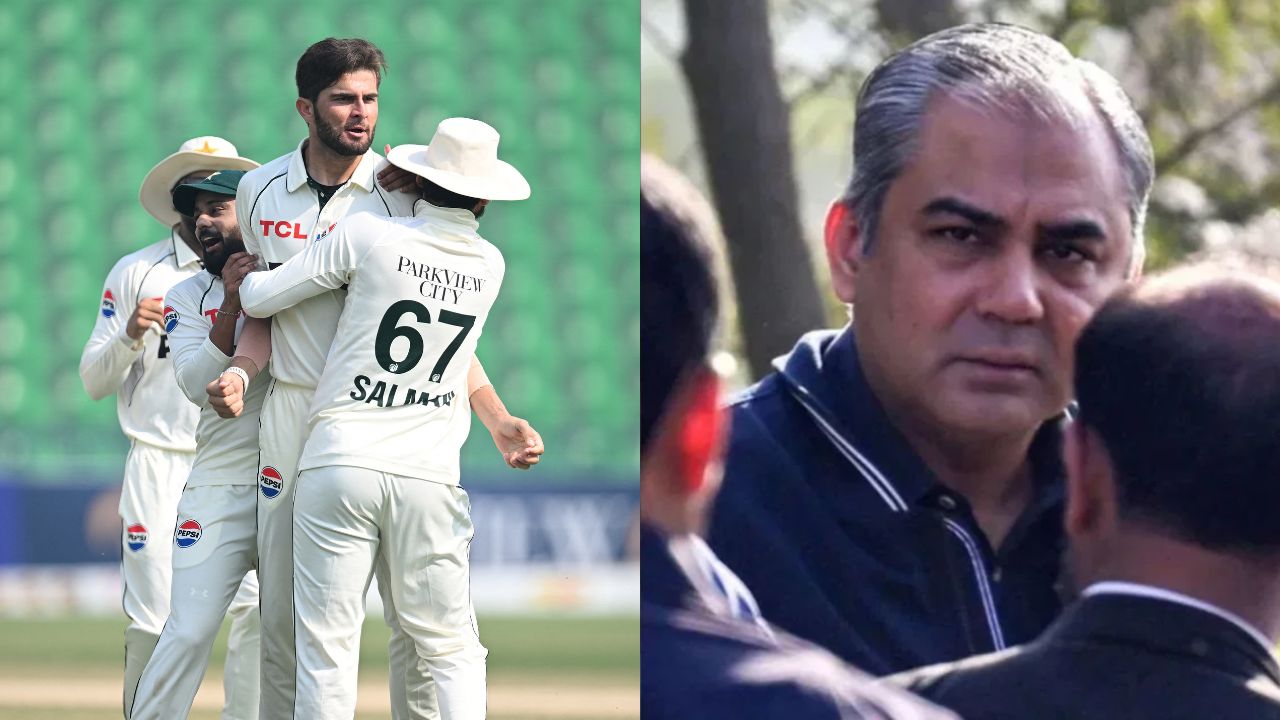
The Pakistan cricket team is currently navigating one of its most challenging periods in recent memory. Following a staggering 2-0 Test series defeat to Bangladesh on home soil—a result that saw the team tumble to eighth in the World Test Championship (WTC) standings—the atmosphere within the dressing room has reportedly reached a breaking point. Under the leadership of Shan Masood and the administrative oversight of PCB Chairman Mohsin Naqvi, the national side is facing not only a performance crisis but a significant internal revolt.
The Catalyst: Dismissal of Cliff Deacon
At the center of this growing unrest is the surprise departure of long-serving team physiotherapist Cliff Deacon. Having been an integral part of the Pakistan setup since 2017, Deacon had fostered deep professional and personal bonds with the players over his eight-year tenure. The news that his contract would not be renewed following the Bangladesh series has sent shockwaves through the squad, particularly among the fast-bowling unit who worked closely with him for years.
Reports suggest that the players are deeply unhappy with the PCB’s unilateral decision to release Deacon. The farewell ceremony held for him at the ground after the second Test against Bangladesh was reportedly an emotional affair, with Deacon visibly moved as he said his goodbyes to the players he had supported through various highs and lows, including key stars like Shaheen Afridi, Naseem Shah, and Haris Rauf.
The Board’s Rationale vs. Player Perspective
The move to remove Deacon was reportedly spearheaded by Javed Mughal, the newly appointed Director of Sports and Exercise Medicine at the PCB. The board’s rationale appears to be rooted in concerns regarding the frequency of injuries within the squad. By bringing in new personnel, the PCB is signaling a shift in how they manage player fitness and long-term athletic health.
However, the players have pushed back against this narrative. According to reports emerging from the dressing room, the squad believes that the board is misidentifying the root cause of the team’s injury woes. One anonymous player highlighted the technical distinction in the medical process, stating:
- Scope of Work: Players maintain that a team physio is responsible for managing acute niggles and daily maintenance during tours, not for complex, long-term rehabilitation.
- Facility Reliance: Long-term injury recovery, according to the players, is the responsibility of the medical staff at the National Cricket Academy, where superior facilities and specialized doctors are based.
- Misplaced Blame: There is a strong sentiment among the playing group that Deacon was unfairly scapegoated for broader structural issues regarding injury management.
A Future of Uncertainty
As the Pakistan cricket team prepares for the upcoming home series against Australia, the vacuum left by Deacon is expected to be filled by Iftikhar Ahmed. This transition period is proving to be incredibly delicate. With rumors swirling about a potential overhaul of the team’s leadership, including speculation that Shan Masood may be removed from the captaincy, the mood in the camp remains tense.
The PCB is now in a precarious position. While they strive to implement a new medical vision, the open revolt by the players suggests that the board has failed to communicate its strategy effectively. The players’ attachment to a staff member who understood their bodies and their specific demands is not just about loyalty; it is about trust in the support system that allows them to perform at the highest level.
Whether Mohsin Naqvi and the PCB will choose to address these concerns by reconsidering their administrative decisions or if they will continue to push forward with their current restructuring remains to be seen. For now, the Pakistani side finds itself at a crossroads, balancing the urgent need for better on-field results with the necessity of maintaining stability behind the scenes.