When Ajinkya Rahane Accused Credit Stealing After India’s Historic BGT Win

Contents
The Shadow of a Historic Triumph
The 2020-21 Border-Gavaskar Trophy remains etched in the annals of cricket history as one of the greatest comebacks of all time. After being bundled out for 36 in Adelaide under Virat Kohli, the Indian team, led by stand-in skipper Ajinkya Rahane, displayed incredible resilience to clinch the series 2-1. However, beneath the surface of the celebratory champagne, tensions regarding the attribution of tactical decisions were brewing.
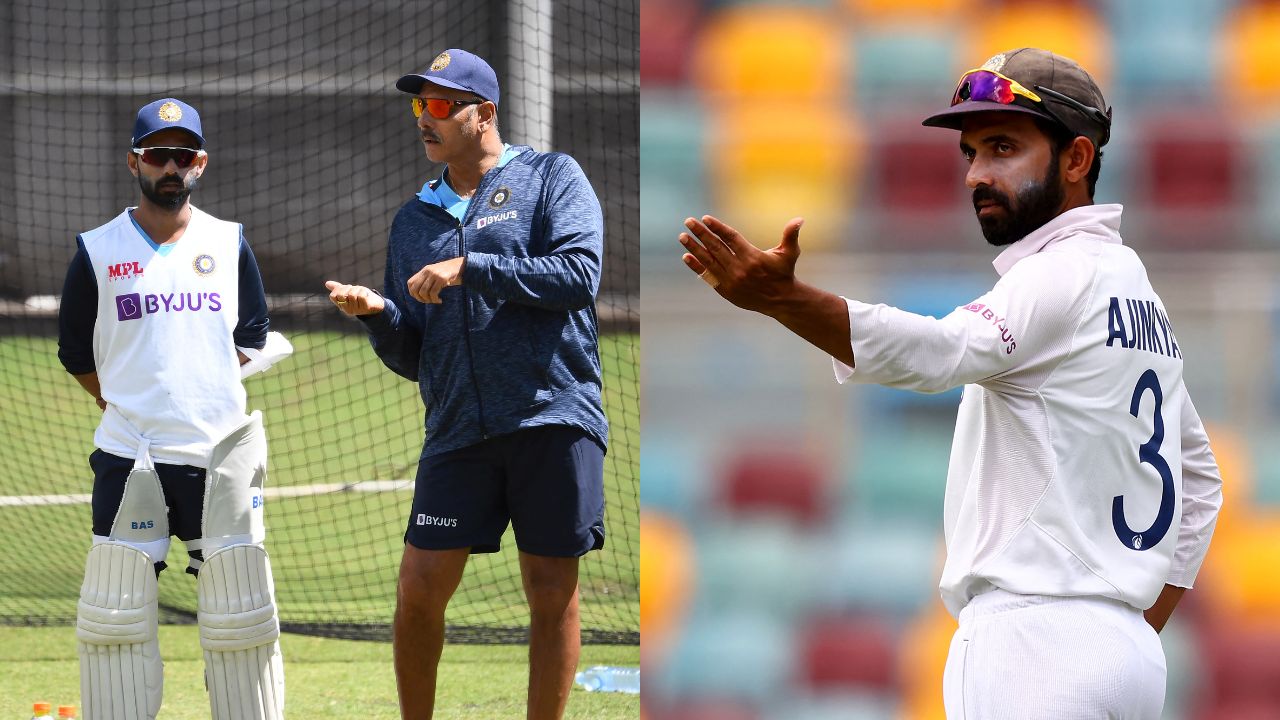
Ajinkya Rahane and Ravi Shastri during the historic tour.
The Controversy: When Ajinkya Rahane Accused Credit Stealing After India’s Historic BGT Win
In an interview on the show ‘Backstage with Boria’ a year after the victory, Ajinkya Rahane voiced his frustration regarding how the narrative of the series was being constructed. While Rahane maintained a dignified silence during the heat of the action, he eventually expressed that he felt sidelined when it came to receiving recognition for his leadership.
“I know what I’ve done there. I don’t need to tell anyone. That’s not my nature to go and take credit,” Rahane stated. He further added, “Yes, there were some things that I took the decisions on the field or in the dressing room but someone else took the credit for it.” This statement reignited the conversation surrounding the internal dynamics of the Indian dressing room during that high-pressure period.
The External Influence: Ashwin’s Revelation
The conversation regarding leadership credits gained further momentum when veteran spinner Ravichandran Ashwin provided insights into the final day of the Gabba Test. According to Ashwin, there were conflicting philosophies within the team management regarding how to approach the final run chase of 328 runs.
Ashwin revealed that while then-head coach Ravi Shastri was inclined toward playing for a draw, Rohit Sharma—who was not the official captain at the time—was pushing for an aggressive approach, specifically urging Rishabh Pant to go for the win. By highlighting Rohit’s intervention, Ashwin’s comments indirectly shifted the focus away from the official captain’s decision-making process, inadvertently fueling the fire regarding who truly deserved the credit for India’s aggressive, series-winning stance.
Defining the Leadership Dynamics
The 2021 series was a melting pot of different leadership styles. Rahane, known for his calm, composed demeanor, took over at a moment when morale was at an all-time low. His victory at the MCG and the grit displayed at the SCG demonstrated a tactical maturity that allowed the team to remain focused despite the absence of Virat Kohli.
However, the narrative of the “mastermind” seems to have become a point of contention. The debate effectively boils down to a classic sports management dilemma: the difference between the face of the leadership (the captain) and the influential figures providing input from the sidelines (coaches and senior players). Rahane’s remarks suggest that he felt the contributions he made—the on-field captaincy and the dressing room management—were eclipsed by the vocal support for others involved in the decision-making loop.
Looking Back at the Gabba Heroics
The final Test at the Gabba was the culmination of everything that had gone right for India. While the debate over credit persists, the reality of the performance on the ground is undisputed. With India needing a record chase, the contributions were collective:
- Shubman Gill: Provided the foundation with a classy 91.
- Cheteshwar Pujara: Absorbed the physical toll to anchor the innings.
- Rishabh Pant: Played an aggressive, unbeaten 89 to secure the win.
- Ajinkya Rahane: Contributed a quick-fire 24 off 22 balls, setting the tone for the final assault.
Ultimately, the victory in Australia was a team effort that transcended individual credit. While the frustration voiced by Rahane highlights the complexities of professional sports leadership, the historical significance of the win remains a testament to the collective spirit of the Indian squad. Whether it was the coach, the stand-in captain, or the influential senior players, the 2021 series will always stand as a defining moment in Test cricket, regardless of who claims the tactical high ground.