Jay Shah Leads ICC Mission: India and Pakistan Unite to Stabilize Sri Lanka Cricket

Contents
A New Chapter for Sri Lankan Cricket Governance
In a significant diplomatic and sporting move, the International Cricket Council (ICC) has initiated a high-level intervention to resolve the ongoing crisis surrounding cricket administration in Sri Lanka. Under the leadership of Jay Shah, the ICC has deployed a special delegation tasked with restoring stability to the governing body of the island nation, which has been plagued by internal turmoil and poor on-field performances.
The Catalyst: A Disastrous T20 World Cup Exit
The urgency of this intervention stems from the Sri Lankan team’s lackluster performance during the recent T20 World Cup 2026. Despite the advantage of playing as co-hosts on home soil, the team, captained by Dasun Shanaka, suffered a humbling Super 8 exit. Recording three consecutive defeats, the squad failed to progress to the semifinals, a result that sent shockwaves through the nation and triggered widespread public outrage.
The fallout was immediate and severe. Head coach Sanath Jayasuriya resigned from his post, and the Sri Lankan government launched an exhaustive inquiry into the structural failings that led to the team’s premature departure from the tournament.
Government Intervention and Leadership Reshuffle
The situation escalated when Sri Lankan President Anura Kumara Dissanayake engaged in high-level discussions with then-SLC President Shammi Silva. Following these deliberations, Silva took the drastic step of resigning from his position. This power vacuum allowed the government to step in, with Sports Minister Sunil Kumara Gamage establishing an interim body known as the Cricket Transformation Committee.
This nine-member panel, led by opposition politician Eran Wickremaratna, includes legendary figures of the game such as Kumar Sangakkara, Sidath Wettimuny, and Roshan Mahanama. The committee has been mandated to propose fundamental structural reforms to ensure transparent governance and long-term stability at the grassroots level of the sport.
An Unlikely Partnership: India and Pakistan Join Forces
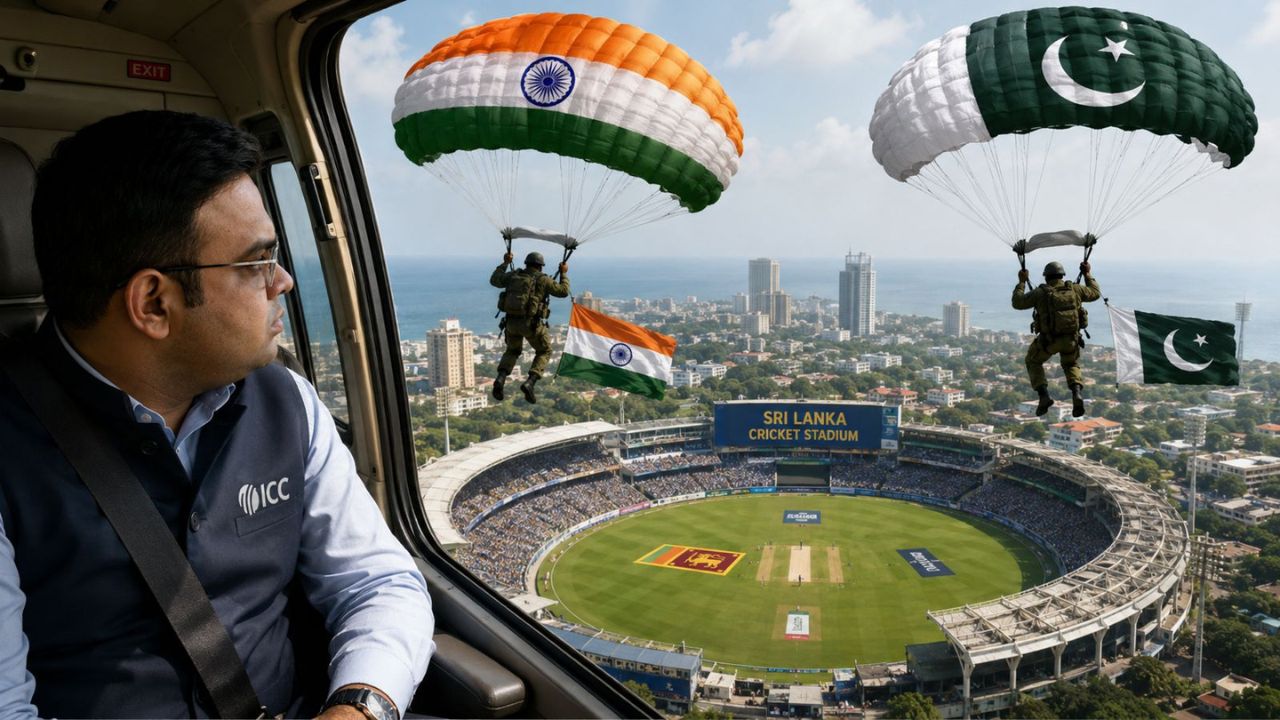
Perhaps the most compelling aspect of the ICC’s response is the composition of its visiting delegation. In an effort to rise above regional geopolitical tensions, the ICC has paired a senior representative from the Board of Control for Cricket in India (BCCI) with Imran Khawaja, the ICC’s deputy chairman and a Pakistan-origin administrator.
This collaboration is being viewed as a strategic masterstroke by the Jay Shah-led apex body. By leveraging the expertise of officials from two of cricket’s most influential nations, the ICC aims to provide a neutral and authoritative blueprint for the Sri Lankan authorities to follow. Khawaja arrived in the country on Friday, with his BCCI counterpart expected to join the mission on Saturday, May 16.
The ICC has historically maintained a firm stance against government intervention in the internal affairs of its member boards. However, the situation in Sri Lanka presents a complex challenge. The country’s existing sports law, which dates back to 1973, provides a legal framework that empowers the government to dissolve administrative committees and appoint interim panels.
This friction has created a delicate diplomatic environment. The Sri Lankan sports minister reportedly did not initially consult with the ICC prior to forming the Cricket Transformation Committee, adding another layer of complexity to the ICC’s mission. To bridge this gap, the Sri Lankan government has provided assurances to the international governing body that the new members of Sri Lanka Cricket will be appointed via democratic elections in the near future.
The Road Ahead
The involvement of the ICC, particularly through this joint Indian and Pakistani effort, marks a pivotal moment for the sport in the region. The Cricket Transformation Committee now faces the monumental task of auditing current administrative practices and implementing reforms that can withstand international scrutiny. For the fans in Sri Lanka, the primary hope remains that this high-level intervention will finally provide the structure necessary for their team to return to the heights of international cricket success.
As the delegation begins its work, the cricketing world will be watching closely to see if this cooperation can serve as a model for resolving future administrative crises within the sport.