Nayeem Hasan breaks down in tears while describing alleged police abuse

Contents
An Unsettling Ordeal for the National Spinner
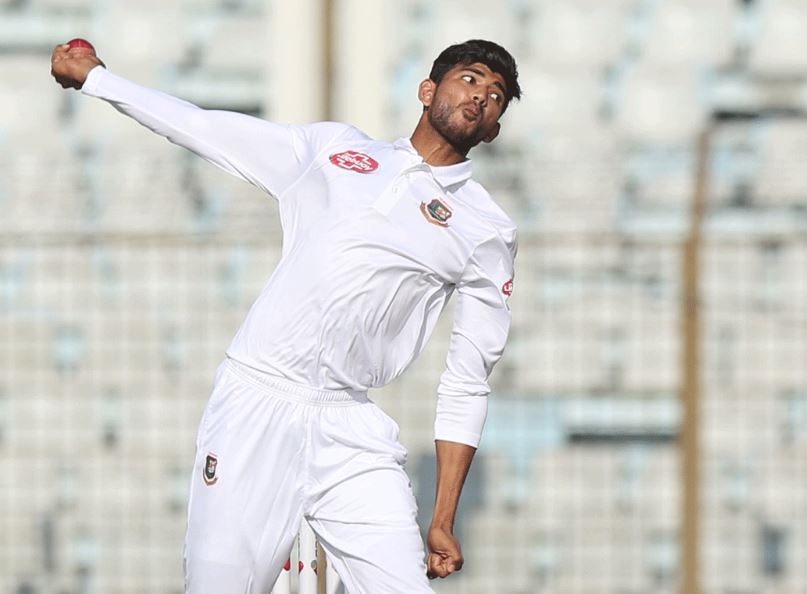
The world of Bangladesh cricket has been left reeling after national team spinner Nayeem Hasan publicly detailed a harrowing experience involving law enforcement in Chattogram. The 25-year-old cricketer, who had just returned home after competing in the Dhaka Premier League (DPL), recounted an encounter that quickly escalated from a routine traffic stop to an alleged physical assault.
The Incident Unfolds Near the Toll Plaza
According to the testimony provided by the Test cricketer, the incident occurred shortly after his flight landed in Chattogram at approximately 10:20 pm. Finding no standard transport, Nayeem opted for a CNG auto-rickshaw to commute from the airport. The situation took a sharp turn near the local toll plaza when a traffic officer halted the vehicle, initially leading the cricketer to believe a standard bag inspection was underway.
However, the narrative shifted rapidly. Nayeem stated that a man identified as SI Shafiq forced him into another vehicle and locked the doors. When the cricketer questioned the reasoning behind this detention, he was allegedly told that he was an accused person and was ordered to remain silent.
Physical Abuse and Emotional Distress
The most alarming portions of Nayeem’s account involve direct physical aggression. He claims that he was grabbed by the throat and that his mobile phone was confiscated when he attempted to call his father for assistance. Despite the presence of bystanders who recognized him as a national athlete and confirmed his identity, the intimidation continued.
While describing these events to members of the media, Nayeem Hasan breaks down in tears while describing alleged police abuse, highlighting the trauma of the situation. He specifically accused SI Shafiq of striking him with a police baton, asserting that the officer had no lawful right to employ such force against him.
The Role of Authority and Public Recognition
Nayeem noted that the behavior of the authorities changed drastically only after the officer-in-charge began receiving external phone calls regarding the cricketer’s status. Before this intervention, the cricketer alleges that his pleas regarding his professional identity—playing Test cricket for Bangladesh—were completely disregarded.
“I told them that I am a national team player and that I play Test cricket for Bangladesh,” Nayeem explained. “There were nearly 100 people there who confirmed my identity. Even then, they did not listen. Instead, they grabbed me by the throat and took me to the police station.”
Seeking Accountability
The allegations have sparked significant concern regarding the treatment of public figures and civilians alike. Nayeem questioned the legitimacy of his detention throughout the ordeal, emphasizing that he was compliant and clearly identified himself multiple times. The incident, involving both uniformed officers and individuals in civilian attire, raises serious questions about the conduct and accountability protocols of the personnel involved.
As the cricketing community awaits further developments and formal inquiries into these claims, the focus remains on the well-being of the young spinner. This unsettling story serves as a stark reminder of the complexities surrounding interactions between citizens and law enforcement, even when those citizens are recognized national icons.
Looking Ahead
At this stage, the cricketing board and relevant authorities have been placed under pressure to investigate the validity of Nayeem’s claims. For a player whose primary focus should be on honing his spin bowling and representing his country on the international stage, this incident serves as a significant distraction and a painful memory that highlights the urgent need for professional conduct in all interactions involving law enforcement officials.