
Contents
Introduction: Remembering a Symbol of Ultimate Courage
The cricket world is in mourning following the passing of former New Zealand fast bowler Bob Blair, who died on his 94th birthday. Prior to his passing, Blair held the distinction of being the fifth-oldest living Test cricketer. While his statistical contributions to the sport were significant, it was his unparalleled bravery in the face of immense personal tragedy that forever etched his name into the annals of sporting history. His story remains a profound testament to human resilience and the binding spirit of cricket.
The Tangiwai Disaster: A Heartbreaking Boxing Day Discovery
To truly understand the legacy of Bob Blair, one must look back to December 1953, during New Zealand’s tour of South Africa. The team was preparing for the second day of the second Test match in Johannesburg, scheduled for Boxing Day, following a Christmas rest day. However, the festive spirit was shattered by devastating news from back home.
On the night of December 24, 1953, a horrific railway accident occurred at Tangiwai in New Zealand. An express train traveling from Wellington to Auckland plunged into the Whangaehu River after a railway bridge collapsed beneath it. The disaster claimed 151 lives, making it one of the darkest days in New Zealand’s history. Among those who perished in the tragedy was 21-year-old Blair’s fiancée, Nerissa Love. The news was delivered to a devastated Blair and his teammates on the morning of Boxing Day, leaving the entire touring party in deep shock and mourning.
The Johannesburg Test: Grief and Grit on the Field
Understandably, the young fast bowler remained behind at the team hotel to grieve the sudden and tragic loss of his fiancée. On the field, the match proceeded under a heavy cloud of sorrow. The New Zealand team wore black armbands as a mark of respect, and flags flew at half-mast. The match itself was a brutal physical battle. The South African fast bowler Neil Adcock was bowling with hostile pace, sending down vicious bouncers that troubled the New Zealand batsmen.
Among those who suffered was Bert Sutcliffe. The legendary batsman was forced to retire hurt after taking a brutal blow to the head from an Adcock bouncer. The delivery left Sutcliffe bleeding from a split in his ear, forcing him off the field for medical attention. Despite the pain and the severe head injury, Sutcliffe eventually returned to the crease, determined to fight on for his team. Yet, as wickets fell around him, New Zealand’s first innings seemed to be drawing to an end when the ninth wicket fell. The spectators at the ground, as well as the opposition players, assumed the innings was over, believing that Blair was at the hotel and would not bat.
The Walk to the Crease: Ten Minutes That Defined a Legacy
What happened next remains one of the most emotional moments ever witnessed on a cricket field. To the astonishment of everyone present at the ground, a figure emerged from the dressing room. It was Bob Blair. Despite his overwhelming grief and the unimaginable pain of losing his fiancée just hours prior, the 21-year-old had made his way to the ground. He walked out to the crease to join Sutcliffe as the number 11 batsman.
The crowd was hushed, moved to tears by the sheer courage of the young man standing out in the middle. Blair spent ten unforgettable minutes at the crease. Together with the battered but brilliant Sutcliffe, he put on an extraordinary display of defiance against the formidable South African bowling attack. Sutcliffe, inspired by his partner’s courage, played a heroic innings, scoring an unbeaten 80. His knock included seven spectacular sixes, most of them played off his famous hook shot against the short-pitched bowling.
Blair and Sutcliffe added a remarkable 33 runs for the tenth wicket, providing a moment of pure inspiration to everyone watching. The partnership eventually came to an end when Blair was stumped for 6 runs. Although the scoreboard recorded a simple dismissal, the true value of those 10 minutes and those 6 runs transcended the sport entirely.
A Distinguished Test Career
While that dramatic afternoon in Johannesburg defined his public legacy, Bob Blair enjoyed a long and respectable career as a fast bowler for New Zealand. Between 1953 and 1964, Blair represented his country in 19 Test matches. Over the course of his international career, he claimed 43 wickets at an average of 35.23, proving himself to be a dedicated and skilled servant of New Zealand cricket. His contribution to the national team spanned over a decade, during which he remained a highly respected figure among his peers.
The Tangiwai Shield: An Enduring Tribute
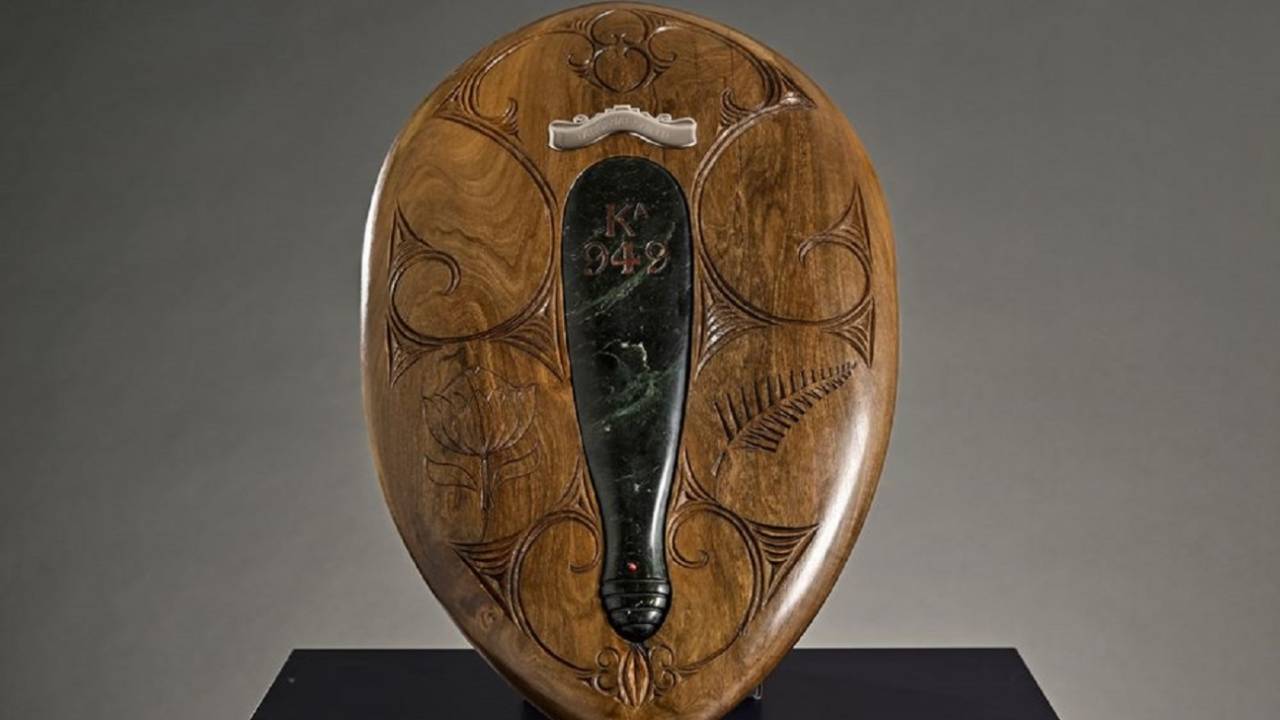
The memory of that tragic day and the incredible courage shown by Bob Blair and Bert Sutcliffe continues to live on in modern international cricket. Today, the Test series between New Zealand and South Africa is played for the Tangiwai Shield. This trophy serves as a lasting tribute to the lives lost in the disaster, the bravery of the cricketers, and the enduring bond between the two cricketing nations.
In a fitting tribute to this history, New Zealand are the current holders of the Tangiwai Shield, having won the inaugural edition of the series in the 2023-24 season. This victory was particularly historic, marking New Zealand’s first-ever Test series win over South Africa. It was a poignant reminder of the deep-seated history that connects these two teams—a history forever shaped by Bob Blair’s ultimate act of resilience on a Boxing Day long ago.
Bob Blair’s passing on his 94th birthday marks the end of an era, but his story of soldiering on through the darkest of times will continue to inspire generations of cricket lovers around the world.