“Selection should never be about what’s best for Virat, Rohit or Bumrah” – Sanjay Manjrekar Sends Strong Message to BCCI
Contents
The Ongoing Debate: Reputation vs. Performance in Indian Cricket
The latest squad announcement by the Board of Control for Cricket in India (BCCI) for the upcoming ODI series against England has once again ignited a fierce debate in the cricketing fraternity. At the heart of this conversation is a perennial question that continues to haunt the selection panel: should reputation carry more weight than recent, tangible performance? While seasoned veterans remain in the setup, many argue that the omission of high-performing young talents is stalling the necessary transition of the national team.
Former India batter and renowned commentator Sanjay Manjrekar has stepped into the fray, delivering a stinging critique of how the selection committee approaches the composition of the side. His primary concern revolves around the continued inclusion of senior players at the expense of rising stars who have proven their worth on the international stage.
The Yashasvi Jaiswal Dilemma
One of the most glaring examples cited by Manjrekar is the treatment of Yashasvi Jaiswal. The young left-hander has been in sensational form, yet he finds himself frequently rotated out of the squad rather than being treated as a permanent fixture. Manjrekar points to the youngster’s undeniable statistical brilliance as evidence that he deserves a longer run.
“Yashasvi has scored two hundreds in his last three ODIs. He made 116 not out against South Africa, then after a gap scored four and a hundred. Anyone opening in India’s strong ODI side will get opportunities, and Yashasvi has made the most of them. So yes, it is unfortunate and a bit harsh,” Manjrekar noted in his discussion with the Times of India.
Defining the Future: The 2027 World Cup Vision
Manjrekar clarifies that his opposition is not directed at the players themselves, but rather the philosophy behind their selection. He emphasizes that if a senior player like Rohit Sharma is in the squad, it must be because the team management has a clear, long-term roadmap that includes him in the 2027 ODI World Cup.
“If the selectors have picked Rohit, I hope it’s because they genuinely see him as part of the 2027 World Cup plans,” Manjrekar asserted. He argues that the culture surrounding “big-name” players often obscures the necessity of merit-based selection. When decisions are made based on the stature of an individual rather than their projected utility for the team’s future, the integrity of the selection process is brought into question.
A Call for Institutional Change
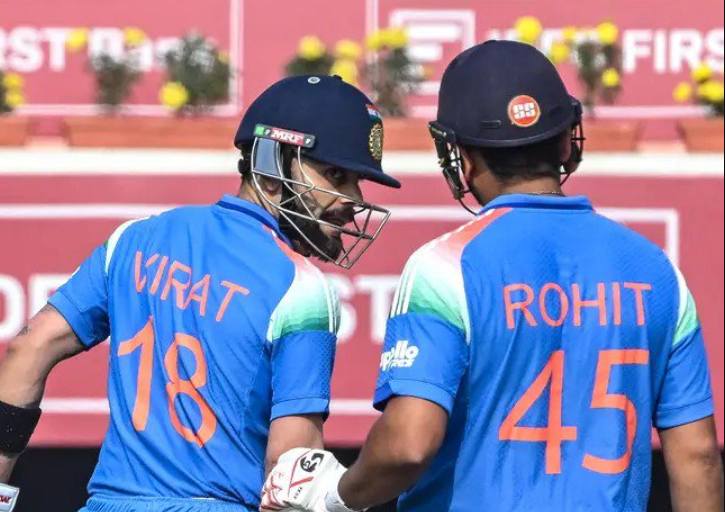
The core of Manjrekar’s argument is a fundamental shift in perspective. He advocates for a system that prioritizes the health and longevity of Indian cricket over the comfort of established stars. He stated, “If the selectors believe Rohit is part of the long-term plan, they should say so. But if he is being picked because they are not ready to drop him, then it reflects a problem Indian cricket has had for years. Selection should never be about what’s best for Virat, Rohit or Bumrah. It should always be about what’s best for Indian cricket.”
This sentiment is likely to find support among a large section of the fan base, who have observed the team’s transition struggles with growing impatience. Balancing the experience of legends like Virat Kohli, Rohit Sharma, and Jasprit Bumrah with the hunger of the next generation is a delicate task, but it is one that the selectors must handle with transparency and objectivity.
The Rise of Youth: Vaibhav Suryavanshi
While discussing the broader topic of youth development, Manjrekar also touched upon the inclusion of 15-year-old sensation Vaibhav Suryavanshi. Set to tour Ireland and England, Suryavanshi is being fast-tracked into the system. Despite a recent on-field altercation during the India A tour of Sri Lanka, Manjrekar remains optimistic about the teenager’s temperament.
“He has learnt a lesson. He seems a very aware and mature guy and will handle such situations much better in the future,” Manjrekar added. This serves as a reminder that the path to international cricket is rarely smooth, and grooming young talent involves managing their growth both on and off the field.
As the BCCI moves forward with its planning for the next World Cup cycle, the voices calling for a more meritocratic approach are growing louder. Whether the selectors will pivot toward this performance-driven model or stick to the current status quo remains the central question for the future of Indian cricket.