Post-Match Analysis: Abhishek: ‘The areas Ireland bowled in as a unit were much better than us’ After India’s First Defeat to Ireland

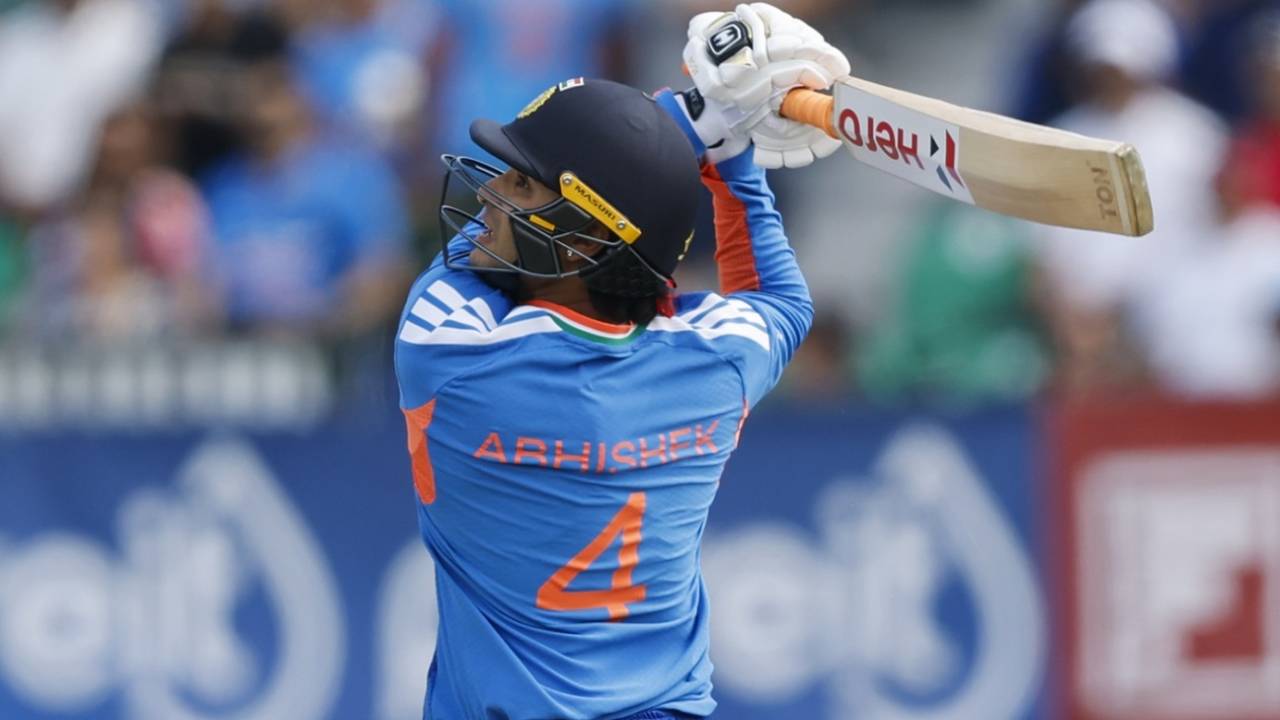
India suffered a surprising 34-run defeat in the first T20I against Ireland, marking their inaugural loss in any format to the opposition. Amidst this unexpected setback, one of the brightest spots for the Indian side was the blistering performance of young Abhishek Sharma, who scored a rapid 49 runs off just 20 balls. Despite his individual heroics, Sharma’s post-match comments shed light on the challenging conditions in Belfast and Ireland’s tactical superiority, as he articulated that “the areas Ireland bowled in as a unit were much better than us.”
Contents
Challenging Conditions and Ireland’s Execution
Speaking at the post-match press conference, Abhishek Sharma provided insights into the nature of the pitch and how it influenced play. “I feel there was something in the wicket,” he observed. “Like when Ireland were batting, there were a few shots that they executed [well], while there were many shots that were difficult to hit.” This candid assessment suggests that while Ireland managed to find ways to score, the pitch itself was not conducive to free-flowing stroke play, making their batting effort even more commendable.
Sharma further elaborated on Ireland’s bowling performance during India’s chase, praising their strategic approach. “So I feel they bowled well [during India’s chase] in that regard, and executed their plans. As for the rest of India’s batsmen, I think very limited shots came off. But they planned really well.” This highlights a key factor in Ireland’s victory: their ability to assess the conditions and bowl accordingly, restricting India’s potent batting lineup.
Acknowledging a Deserved Victory
The young Indian batsman was unequivocal in his praise for the victorious Irish side, acknowledging their comprehensive effort across all departments. “I think that as a group, the way Ireland did with the bat, the ball and even in the field, they truly deserved this victory,” Sharma stated. This recognition from an opposing player underscores the completeness of Ireland’s performance. He also reflected on India’s shortcomings: “There were some things we couldn’t execute as a team. But you learn little things from every match and I feel this was one of those matches. We learnt a lot of things. But as a group they played really well. They truly deserved the victory.” This perspective emphasizes the learning curve for the Indian team, particularly when facing unfamiliar conditions and a highly motivated opponent.
The Imperative of Quick Adaptation
The environmental and pitch conditions in Belfast presented a stark contrast to the familiar pitches and hot weather India experiences at home, particularly during the IPL season. The pitch offered considerable assistance to fast bowlers, and the expansive square boundaries added another layer of complexity for batsmen. While Abhishek noted the cold weather was “truly one of the best things we have faced from the last three months” given the intense heat in India, the visitors’ struggle to adapt quickly proved costly.
Sharma stressed the importance of swift adjustment: “It’s just [about] how quickly we adapt to the conditions. That really matters as a team. Because when you’re playing back-to-back games, as a group, you have to step forward and get used to the conditions… I feel, as a dominating team, you have to adapt really quick. And that’s what we were trying today. But unfortunately, it didn’t happen.” This points to a crucial area for improvement for the Indian squad, especially when touring different cricketing environments.
Ireland’s Debutants and Tactical Edge
Adding to the challenge of novel conditions was the presence of two uncapped fast bowlers in the Irish lineup: India-born left-arm quick Jai Moondra and right-arm pacer Matt Hollard. Both debutants made an immediate impact, surprising the Indian batting order. Moondra struck with his very first ball in international cricket, dismissing Sanju Samson for a mere 5 runs. Hollard was equally effective, accounting for the wickets of Ishan Kishan (1) and Shreyas Iyer (3), leaving India reeling at 60 for 3.
Moondra concluded his spell with impressive figures of 2 for 25, including the crucial wicket of Shivam Dube, while Hollard ended with an excellent 3 for 28 after also removing Washington Sundar. When queried about whether Moondra’s performance took India by surprise, Abhishek Sharma dismissed the notion of being unprepared, attributing Ireland’s success to superior bowling on the day rather than an unknown factor.
“We have the same plan for all teams. Our video analysts and coaches have enough information about all the bowlers,” Sharma clarified. “I wouldn’t say he was a surprise for us, but he bowled really well. The areas that they bowled in as a bowling unit were much better than us. And that’s how you learn as a group. We also got to learn from them today. So it was just one of those games.” This statement reinforces the idea that Ireland’s bowlers, regardless of their debutant status, simply outclassed their Indian counterparts by bowling in more effective areas, showcasing better execution of their plans.
Learning from Every Encounter
The defeat, while disappointing for India, serves as a valuable learning experience. As Abhishek Sharma articulated, every match offers new lessons, and this encounter with Ireland was no exception. It highlighted the importance of quick adaptation to foreign conditions, the impact of well-executed bowling plans, and the collective strength of a team playing as a cohesive unit. Ireland’s historic victory was well-deserved, demonstrating their growing prowess on the international stage and providing India with key insights as they continue their cricketing journey.