
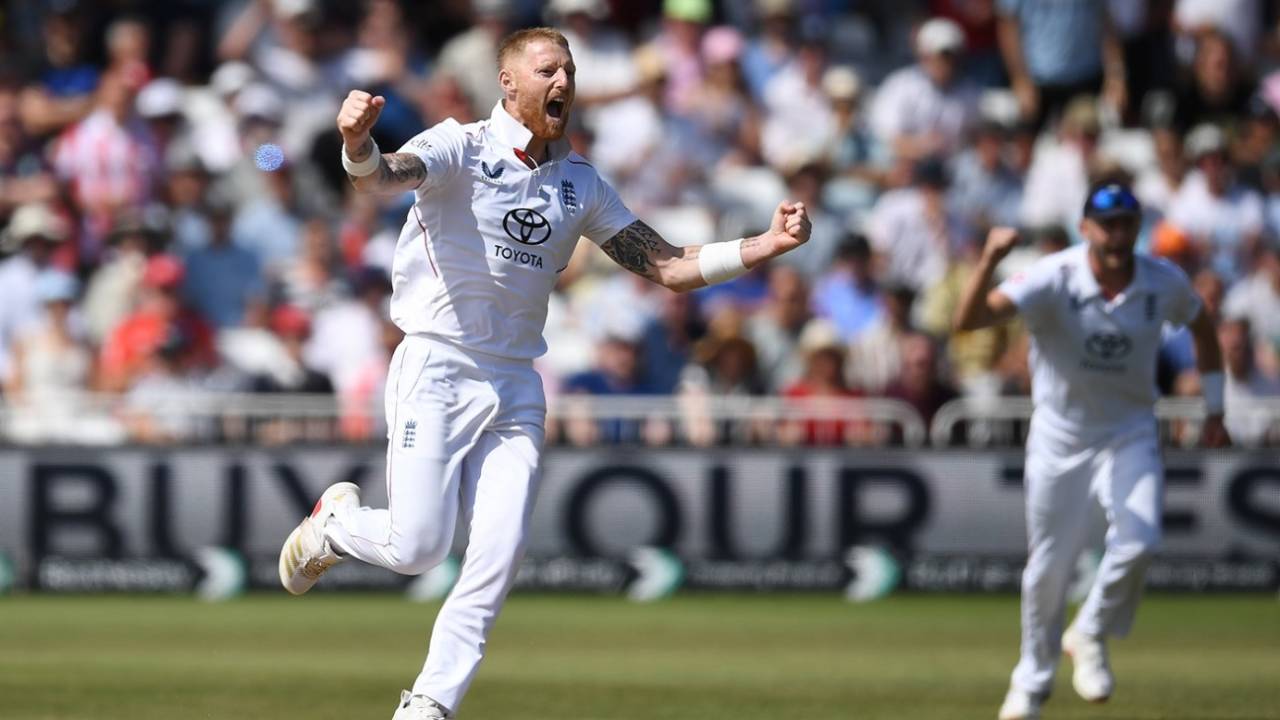
England’s cricketing landscape was recently shaken by the candid admission from its Test captain, Ben Stokes, who revealed the profound emotional and physical toll his leadership role had taken. Speaking after his pivotal announcement on the fourth day of the series decider against New Zealand, Stokes detailed the arduous journey that led him to conclude he no longer possessed the necessary reserves, stating, “I didn’t have any more fight left in me” after the Ashes loss. This revelation came as a poignant reflection on a celebrated, yet demanding, chapter in his career.
Contents
The Burden of Captaincy: An Unseen Battle
While Ben Stokes cherished every moment leading his country, calling it “the greatest honour you could ever put on your shoulders as a player,” he shed light on the less visible aspects of captaincy. He explained that there is a side to the role that people do not typically see or understand, a burden that only those closest to captains truly witness. This unseen pressure, he confessed, “does drain you, it does affect you in a negative way.” His four-and-a-half-year journey at the helm, while filled with cherished memories, also contained moments that proved incredibly challenging, hinting at the internal struggles he faced.
The Ashes Aftermath and a Lingering Toll
The turning point for Stokes largely stemmed from England’s 4-1 defeat in the Ashes series last winter. It was during the build-up to the series opener at Lord’s that the stark realization of his diminished capacity for battle truly dawned on him. This period, following a grueling defeat, intensified the emotional and physical strain. Stokes’s preparation for the summer was further disrupted by a severe facial injury sustained during a nets session in Durham in February, adding another layer of complexity to his already demanding schedule.
Reflecting on the Lord’s Test, Stokes admitted it “brought back some negative feelings about where I was in my career.” This match, England’s first in over five months since the Sydney Ashes Test, served as a stark reminder of the toll the game had taken. He had worked tirelessly since returning from Australia to rectify matters, pouring immense time and effort into his recovery and preparation. However, this dedication, he now believes, may have led to an unexpected consequence: burning himself out. He mused that having “too much time on my hands” can sometimes be detrimental, highlighting a constant internal struggle.
The Finality of a Decision
The decision to step down was not impulsive but rather a deeply considered one, confided to his closest confidantes, including his wife Clare, and esteemed teammates like Joe Root and Stuart Broad. Stokes described the week at Lord’s as a “very interesting, strange feeling,” where he gave himself every opportunity to determine if his fatigue was merely a temporary “blip” or a more fundamental issue. He recounted how those he spoke to about retirement often warned that the realization “kicks you straight in the face.” For Stokes, that moment arrived a few weeks prior, culminating in the feeling that as he donned his pads for what would be his final active day as an England player, it was “the last nail in the coffin.”
A Search for Renewal and Self-Preservation
Despite his retirement from Test captaincy, Stokes is not withdrawing from all forms of cricket. Following his omission from the Oval Test, he returned to his boyhood club, Durham, where he scored a rapid 95 against Northamptonshire. He had hoped this return to familiar ground would ignite a “new lease of life.” However, he found himself unable to replicate that renewed feeling when he rejoined the England squad. Having navigated “rocky times, personally,” and often feeling compelled to act because it was “the right thing to do,” Stokes now frames his decision as a deeply personal one.
He acknowledged that it might sound selfish, but emphasized that this choice is “genuinely the best thing for me right now.” His hope is that it will also prove beneficial for the team moving forward. Ultimately, this decision is about preserving his love for the game that has been a lifelong passion and a career. He expresses excitement for the next chapter, reflecting on the profound emotional differences between his club cricket experience and the pressures of the international stage, which ultimately solidified his conviction in the decision.
Reflecting on a Legendary Career
During a pitch-side interview, Stokes was shown a montage of his career’s peaks and valleys, including his unforgettable match-winning efforts in his annus mirablis in 2019, and the challenging experience of being hit for four consecutive sixes in the 2016 World T20 final. Yet, he confessed that his most recent disappointment, as England captain in Australia, was the one he found most difficult to reconcile. “Some pretty cool things… some good times, some pretty bad times,” he reflected. He had always prided himself on overcoming on-field and off-field disappointments, but the emotional aftermath of Australia proved different. He conveyed to his wife that he simply didn’t “have any more fight left in me to get over this.”
Stokes underscored the brutal nature of professional cricket, both physically and mentally. At 35, he acknowledged the immense physical work required to maintain his performance level. The question lingered: “Do I have that in me? That fight in me to keep doing that?” He recognized the immense commitment required to represent his country, citing a confluence of emotional, physical, and mental factors that led him to this pivotal decision.
A Proud Legacy Defined by Moments, Not Just Victories
While the extraordinary unbeaten century at Headingley in 2019 remains a signature moment, Stokes admitted his personal recollections of that series were somewhat tarnished by England’s failure to reclaim the Ashes. Instead, he highlighted his role as a young player in the 2015 Ashes win, England’s last triumph in the storied rivalry, and the profound honor of first leading the side out as captain, as moments of immense personal pride.
“One of my favourite knocks. I just wish it could have meant we won the series,” he said of the Headingley innings, yet affirmed his enduring pride in that performance. He concluded with a sense of contentment regarding his multifaceted career: “I’m pretty happy and content with everything I’ve managed to do. I’ve captained, I’m an Ashes winner, I’ve won a 50-over World Cup, a T20 World Cup. I’ve also had the opportunity to captain the team and play alongside some of the best players to have played the game. There’s not too much I can complain about, really.” His departure marks the end of an era for England’s Test team, but his legacy as a warrior and a leader will undoubtedly endure.