Shreyas Iyer Responds After Eoin Morgan Asks About India’s Chances of Turning th Series Around

India’s aspirations of clinching the five-match T20I series against England have been severely dented after a comprehensive defeat in the third encounter. What began with the opening T20I being washed out by rain, saw England bounce back with formidable strength in the second match to seize an early lead. The expectation was for India to deliver a robust response in the crucial third T20I, but instead, the team succumbed to one of its most significant defeats in recent memory, leaving fans and pundits alike questioning the path forward.
Contents
England’s Dominance and India’s Collapse in the Third T20I
The match at the forefront of this discussion witnessed England’s batting lineup set an imposing target. Batting first, the hosts meticulously compiled a formidable total of 201/7 within their allotted 20 overs. This commanding score was built on the back of a strong top-order performance, which laid a robust foundation, allowing subsequent batters to accelerate and push the total beyond India’s comfort zone. The English batsmen displayed a blend of aggression and tactical nous, capitalizing on scoring opportunities and maintaining a healthy run rate throughout their innings.
In stark contrast, India’s chase began with a series of unfortunate events and never truly gained momentum. The batting lineup, which boasts some of the most destructive T20 players globally, appeared unsettled and struggled to find any rhythm against a rejuvenated English bowling attack. What ensued was a dramatic collapse, as India was bundled out for a mere 76 runs, highlighting a profound struggle to cope with the pressure and the quality of the opposition. This stark difference in performance between the two sides underscored the challenge India now faces.
Pace Attack Proves Decisive for England
The architects of India’s downfall were primarily England’s fast bowlers, Josh Tongue and Jofra Archer. Their combined efforts ripped through the visiting batting order with clinical precision. Tongue, with his incisive pace and bounce, proved particularly effective, claiming an impressive four wickets. Archer, returning to his destructive best, complemented Tongue perfectly, securing three crucial wickets. The duo’s relentless attack, consistently hitting hard lengths and exploiting any vulnerability, ensured India’s innings never recovered. This dominant display by the English pacers sealed a resounding 125-run victory, a margin that speaks volumes about England’s performance and India’s struggles.
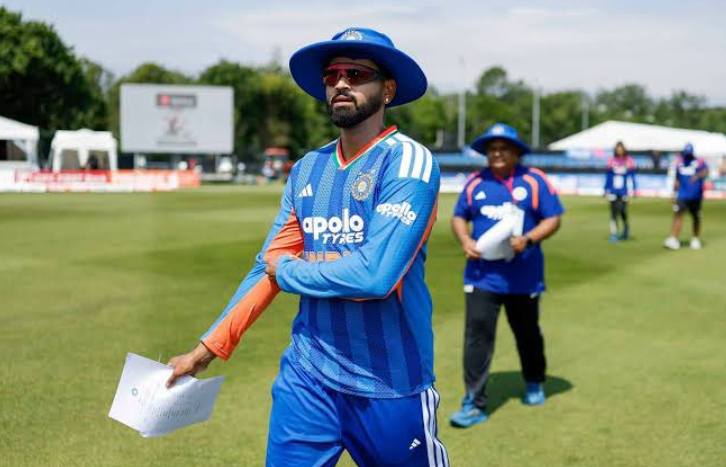
Shreyas Iyer. (Credits: X.com)
India’s Precarious Position: No Room for Error
This crushing defeat has placed India in an unenviable position within the series. With England now holding a significant lead, the margin for error for the visitors has completely evaporated. To avoid a series defeat, India must secure victories in both of the remaining T20Is, thereby leveling the contest and salvaging a share of the honours. Anything less will result in a series loss, an outcome that would be deeply disappointing for a team of India’s caliber and expectations.
Shreyas Iyer’s Candid Assessment After Eoin Morgan’s Inquiry
In the aftermath of such a disheartening performance, the spotlight naturally fell on the players to address the team’s struggles. Former England captain and respected cricket analyst, Eoin Morgan, directly questioned India’s middle-order batsman Shreyas Iyer about the team’s ability to recover from such a significant blow. Morgan’s question was pointed, emphasizing the urgency and the fact that only a drawn series remained a possibility for India.
Morgan posed, “And how quickly will it be for you guys to turn it around? You can only tie the series now, but two big opportunities in the two games left.”
Shreyas Iyer’s response was refreshingly honest and devoid of excuses, offering a clear insight into the team’s perspective and the areas they identified as critical for improvement. He acknowledged the theoretical planning that occurs in team meetings but stressed the paramount importance of on-field adaptation.
Iyer articulated, “I think you can plan a lot once you’re there in the team meeting, but once you come to the ground, you need to adapt as quickly as possible and try to figure out what lengths are important to bowl on a particular wicket. Like this (pitch) today, the hard lengths were helping the bowlers pretty well. I think we didn’t execute that much. And even in our batting, I think when you’re chasing 200, you need to pace up your innings. You need to have a set pattern of how you’re going to go about that innings. So, we fell a bit short in terms of that. So definitely, execution was awful.”
Analysis of Iyer’s Key Points: Adaptation and Execution Failures
Iyer’s statement highlighted two critical areas where India faltered: immediate adaptation to pitch conditions and flawless execution of plans. He specifically pointed out the bowlers’ inability to consistently hit the “hard lengths” that were proving effective on the day. In T20 cricket, understanding the optimal lengths and lines for a specific pitch is crucial, and failing to adjust quickly can lead to significant run leaks or, conversely, an inability to pick up wickets. The English bowlers demonstrated this adaptability, while India’s struggled to find their rhythm.
Furthermore, Iyer addressed the batting unit’s shortcomings, particularly in a high-pressure 200-run chase. He emphasized the necessity of pacing the innings strategically, suggesting a “set pattern” or a clear blueprint for how to approach such a daunting target. This implies that India’s batsmen either lacked a coherent plan or, more likely, failed to execute it under the intense pressure exerted by England’s bowlers. Chasing a target of 200 requires a calculated approach, where risks are taken judiciously, and partnerships are built effectively, something India clearly missed in their innings.
The use of the word “awful” by Iyer to describe the team’s execution speaks volumes. It’s a frank admission of collective failure and a testament to the high standards expected from the Indian team. Such honesty from a senior player, rather than resorting to vague explanations, offers a clearer picture of the internal assessment within the squad.
Looking Ahead: The Road to Redemption
India now faces a straightforward yet immensely challenging task. Another defeat in the upcoming matches will unequivocally hand the series to England. Conversely, only two emphatic victories will allow India to share the series honours. The remaining matches are not merely about winning; they are about demonstrating resilience, tactical acumen, and the ability to execute under extreme pressure.
The insights from Shreyas Iyer underscore the need for swift and decisive action. India’s bowlers will need to be more precise and adaptable, consistently hitting the right areas to curtail England’s aggressive batting. The batsmen, on the other hand, must develop and flawlessly execute a clear strategy for chases, ensuring they build partnerships and maintain the required run rate without losing a flurry of wickets. After the disappointing display in the third T20I, the entire Indian squad will be under immense scrutiny, and fans will eagerly await a much stronger, more cohesive performance when the teams clash again.