Miraz: “We needed better partnerships” after Bangladesh’s ODI series loss

Contents
A Series Loss to Reflect On
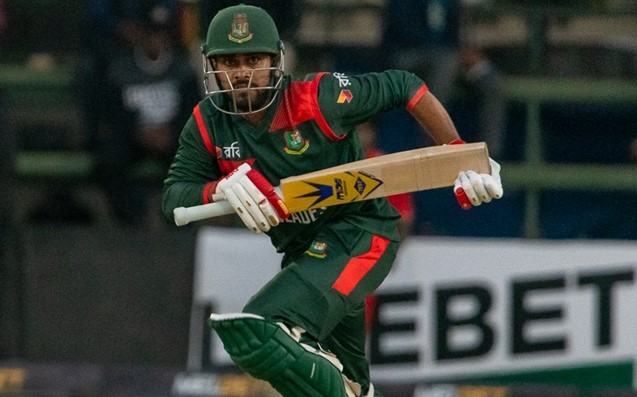
Bangladesh cricket fans are currently grappling with the reality of a lost series as the Tigers faced a disappointing 13-run defeat against Zimbabwe in the second ODI. This result, which sealed the three-match series in favor of the visitors with one game remaining, has highlighted recurring technical flaws in the Bangladesh batting lineup and bowling discipline. As the dust settles, the conversation has turned toward the tactical shortcomings that defined this encounter, with captain Mehidy Hasan Miraz pointing directly at the inability to control the flow of the game through partnerships.
The Match Narrative
Batting first, Zimbabwe managed to post a competitive total of 247 runs. While the target seemed well within reach for a capable Bangladesh side, the chase ultimately unraveled under pressure. For significant portions of the innings, Bangladesh appeared to be cruising, especially during the stability provided by Towhid Hridoy and Nurul Hasan Sohan. However, once that partnership was broken, the middle and lower order failed to maintain the required momentum, leading to a swift collapse that handed the match—and the series—to Zimbabwe.
Miraz Addresses the Failures
Speaking at the post-match presentation, captain Mehidy Hasan Miraz was candid about where the team went wrong. His analysis centered on the lack of control during critical phases of the game. Miraz: “We needed better partnerships” after Bangladesh’s ODI series loss, he explained, emphasizing that the team struggled both when bowling and when tasked with chasing the total.
Regarding the bowling effort, Miraz noted, “We bowled really well and took four wickets, but they got a partnership in the last moment. They had a 98-run partnership, and that was disappointing from our team. We could not get their wicket. We have to break partnerships. We have to take wickets in those times, and then momentum will come to our side.”
Batting Struggles Under the Lights
The batting performance in the second half of the game also came under scrutiny. Despite the pitch conditions being conducive to stroke play, the Tigers failed to capitalize when it mattered most. Miraz remarked, “The wicket looks very good, 248 is a very good score and in the second half, the ball was coming on easily. If we got partnerships at the end, it would have been better. Even though it got a little bit dark, we still believe we can get better, but we simply did not get a partnership in that crucial moment.”
Looking Toward the Future
With Zimbabwe now holding an insurmountable 2-0 lead, the upcoming final ODI on July 11 is effectively a dead rubber. While the series result is settled, this final match represents a vital opportunity for the Bangladesh team management to test their depth and address the tactical gaps identified by their captain. The inability to break opposition momentum and the tendency for batting collapses are issues that require immediate attention if the team is to return to winning ways in future international assignments.
The lessons from this series are clear: in modern ODI cricket, survival and victory are built on the back of sustained partnerships. Whether it is a bowling unit working in tandem to stifle runs or a batting pair building a platform, the Tigers need to refine their approach to match-pressure situations. As the team prepares for the final fixture, the focus will undoubtedly be on correcting these fundamental errors to salvage some pride from the series.