ICC fines Bangladesh for slow over rate after Zimbabwe ODI defeat

Contents
A Compounding Crisis for the Tigers
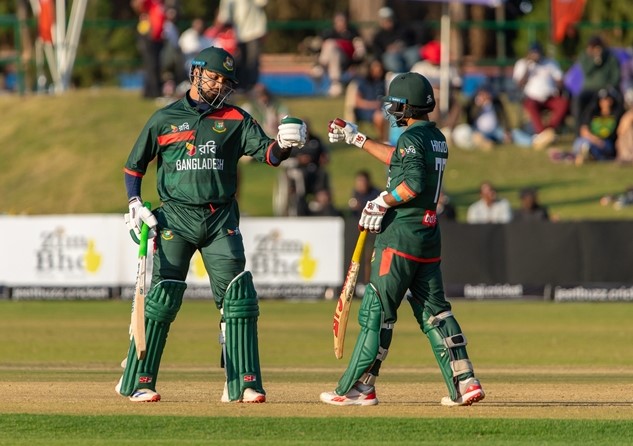
The tour of Zimbabwe has proven to be a difficult chapter for Bangladesh, as the team struggles to find its rhythm amidst a series of unfortunate events. The challenges facing the squad extend far beyond their recent losses, with injury concerns and disciplinary issues creating a perfect storm for the team management. The latest blow comes in the form of a formal sanction from cricket’s governing body, as the ICC fines Bangladesh for slow over rate after Zimbabwe ODI defeat.
The Disciplinary Ruling
Following the second ODI held in Harare, the International Cricket Council (ICC) issued a statement confirming that Bangladesh had been penalized 10 percent of their match fees. This disciplinary action was taken after the side was found to be two overs short of the required rate, even after all necessary time allowances had been accounted for. The decision was handed down by match referee David Gilbert, who strictly applied the governing body’s regulations regarding over-rate infractions.
According to Article 2.22 of the ICC Code of Conduct, teams are subject to a fine of 5 percent of their match fee for every over they fall behind the designated target. Given the two-over shortfall in this particular fixture, the cumulative penalty for the playing XI amounted to 10 percent.
Leadership and Accountability
In a move to resolve the matter swiftly, Bangladesh captain Mehidy Hasan Miraz accepted the charge and the proposed sanction. By acknowledging the offense, the team avoided the need for a formal disciplinary hearing, allowing the squad to shift their focus—however difficult—to the remaining fixtures of the series. The charges were initially brought forth by the officiating team, which included on-field umpires Allahudien Palekar and Iknow Chabi, supported by third umpire Percival Sizara and fourth umpire Forster Mutizwa.
A Tour Defined by Setbacks
The penalty serves as yet another hurdle in what has been a challenging tour. Before the over-rate issue even surfaced, the team was reeling from significant personnel losses. Key players, including Litton Das and Mustafizur Rahman, were ruled out due to injury, leaving the squad depleted and scrambling for stability. The lack of depth has been evident in their performances on the pitch, where the team has failed to secure a foothold in the series.
After suffering a heavy innings defeat in the one-off Test match, the Tigers’ woes translated into the limited-overs format. Losing the first two ODIs against a resilient Zimbabwe side meant that the series was effectively decided with one match still to be played. The slow over rate during the second ODI only exacerbated the frustration surrounding the team’s inability to maintain momentum or composure during crucial passages of play.
Looking Ahead
For Bangladesh, the immediate future requires a significant rethink of their tactical approach and on-field management. Maintaining intensity in the field is not just a strategic necessity but a regulatory requirement, and the recent fine serves as a stark reminder of the standards expected at the international level. As the team looks to close out the remaining match, the objective will be to restore some pride and address the structural issues that have hampered their performance in Zimbabwe. Whether they can bounce back from this string of defeats and disciplinary scrutiny remains the primary question for fans and analysts alike.