Ravichandran Ashwin Breaks Silence On Vaibhav Sooryavanshi’s India Selection

Contents
The Rise of a Teenage Sensation
The landscape of Indian cricket is perpetually shifting, with the emergence of young talents often capturing the national imagination. Recently, 15-year-old Vaibhav Sooryavanshi became the focal point of intense media scrutiny and fan excitement following his call-up to the Indian T20I squad against England. While his rapid rise through the domestic ranks is nothing short of impressive, the subsequent discourse surrounding his immediate inclusion in the international setup has ignited a debate regarding the proper nurturing of young stars.
Ravichandran Ashwin Breaks Silence On Vaibhav Sooryavanshi’s India Selection
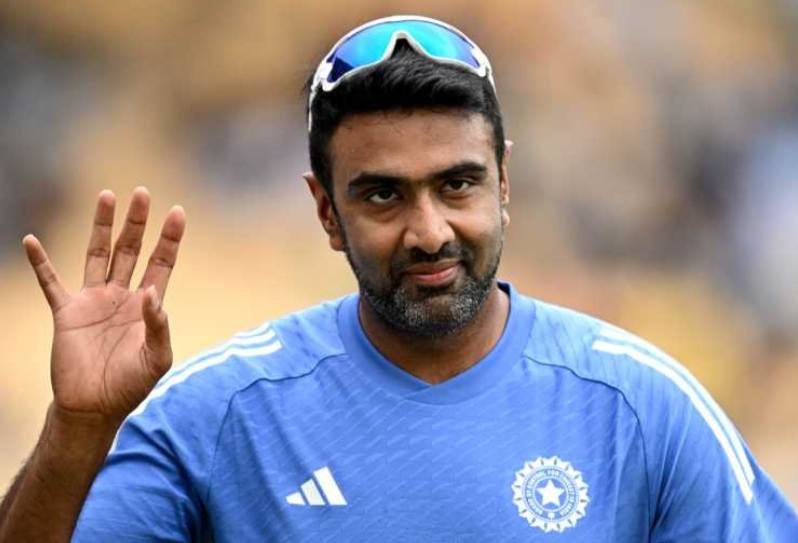
Providing an experienced voice in the ongoing conversation, former India all-rounder Ravichandran Ashwin has weighed in on the matter. In a detailed discussion on his YouTube channel, Ashwin offered a balanced yet cautionary view. While he openly acknowledged the immense potential of the young left-hander, he raised critical questions about the influence of external noise—specifically social media campaigns—on professional team selection.
(Credits: X.com)
The Weight of Expectations
Sooryavanshi’s journey to the international stage saw him wait on the sidelines during the Ireland tour and the first T20I against England, building anticipation among fans. When he finally debuted, the pressure was palpable. Throughout his three innings, where he managed scores of 14, 13, and 15, it became evident that the jump to the international arena is a significant challenge for any teenager. Ashwin, who has navigated the highest levels of the game for over a decade, believes that rushing such prospects can be counterproductive.
“I’m still telling you, Vaibhav Sooryavanshi is an incredible player. If I were the selector, I would have also picked him. But let him take his time. This is called an internship, right?” Ashwin remarked, emphasizing that young players need breathing room to develop their craft before they are expected to carry the heavy burden of representing a nation of billions.
The Problem with External Pressure
One of the core issues Ashwin addressed is whether the selectors and team management are inadvertently bowing to public sentiment. He pointedly asked if teams can afford to be influenced by social media discourse, which often lacks the nuance of tactical team requirements. The veteran spinner recalled his own experiences, noting that even when he was in peak form, he was occasionally sidelined for the sake of team balance.
“How can you drop him? But I still didn’t play on the team. If I were out, they would keep me out because team management knows what the team needs. You are saying that you can pick teams by succumbing to social media pressure?” he added. This highlights a fundamental divide between fan expectations and the strategic decisions made within the closed doors of a dressing room.
Respecting the Team Management
Ashwin’s insights serve as a reminder that cricket, at the highest level, is a game of combinations. He recounted arriving in England in fantastic rhythm, only to be left out of the playing XI after discussions with the coach and captain. Rather than creating a public spectacle, he chose to respect the decision, understanding that management prioritizes the overall success of the side over individual selection demands.
“There have been times where I could have played, but there have been times where it was a 50-50 decision, and there were times where it was the right decision. I came to England with very good form, but the coach and captain spoke to me, and then I felt maybe they were doing it for the combination they wanted,” he explained.
The Sanctity of the Dressing Room
The veteran spinner concluded with a stern warning about the dangers of allowing external noise to penetrate the team environment. He argued that the team management functions best as a “temple” where decisions are protected from outside interference. If that sanctity is breached by public pressure, it is ultimately the players who suffer from the resulting instability and the unrealistic expectations placed upon their shoulders.
“It is the team’s decision. The team management is like a temple. If the outside noise is allowed to enter the team, whose fault is it? How can the outside pressure disturb the team? If the outside pressure is disturbing the team management, then think about the players,” Ashwin concluded. This perspective serves as a timely lesson for both cricket administrators and the passionate fans who define the sport’s culture in India.