India’s Gurnoor Brar Warned for Breaching Level One of ICC Code of Conduct

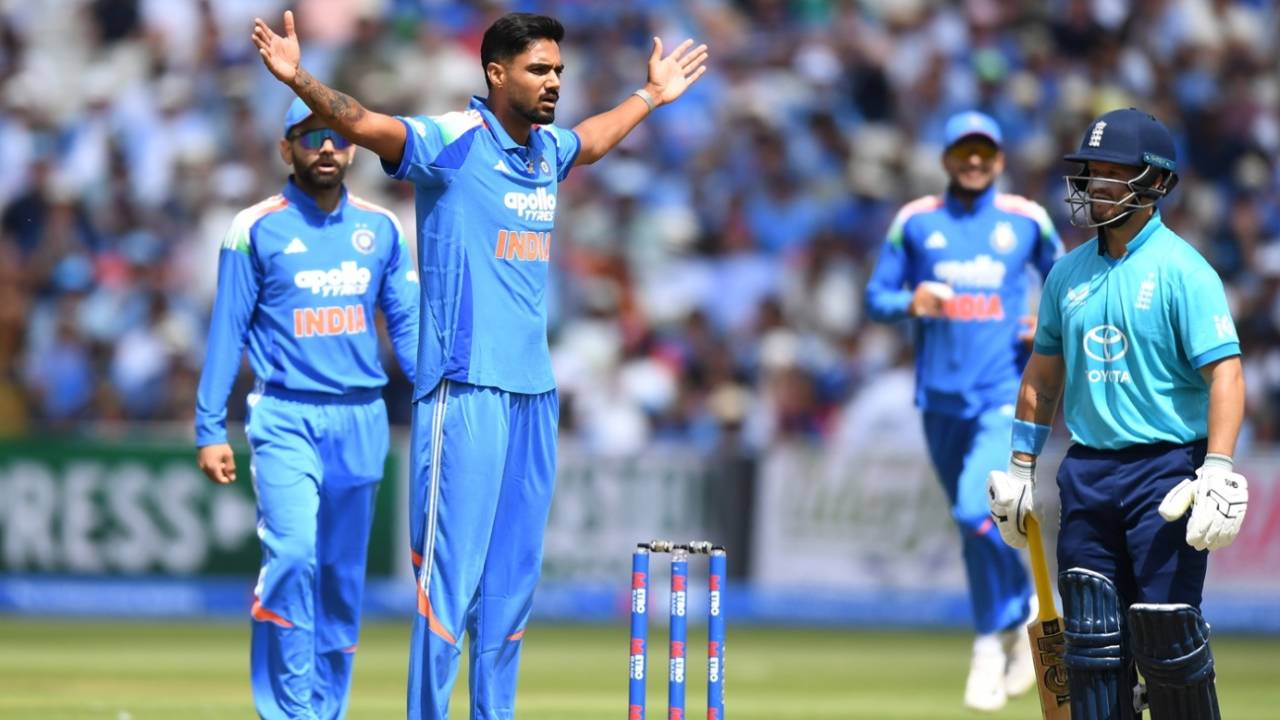
In a significant disciplinary development from the recent One-Day International series opener, India’s fast bowler Gurnoor Brar has received an official warning for breaching Level 1 of the ICC Code of Conduct. The incident occurred during India’s impressive six-wicket victory against England in Birmingham, a match that saw the visitors take an early lead in the three-match series. As a consequence of his actions, one demerit point has been added to Brar’s disciplinary record, marking his first offence within a 24-month period.
Contents
Understanding the Breach: Article 2.9 of the ICC Code of Conduct
The specific article breached by Gurnoor Brar is Article 2.9 of the ICC Code of Conduct for Players and Player Support Personnel. This article explicitly addresses actions related to “throwing a ball at or near a player in an inappropriate and/or dangerous manner during an international match.” The International Cricket Council (ICC) maintains a stringent code of conduct to ensure the spirit of cricket is upheld and to prevent actions that could be perceived as unsportsmanlike, aggressive, or potentially harmful to another player. Such regulations are crucial for maintaining the integrity and safety of the game at the highest level.
The spirit of cricket emphasizes respect for opponents, umpires, and the game itself. While competitive intensity is a hallmark of international cricket, actions that cross the line into aggressive or dangerous conduct are met with disciplinary measures. Article 2.9 specifically targets instances where a bowler, in the heat of the moment or otherwise, throws the ball back at a batter without due care, potentially endangering them. This particular rule is designed to prevent unnecessary confrontation or injury, promoting a safe and respectful playing environment for all participants.
The Incident in Detail: Eighth Over Drama
The incident that led to Brar’s warning unfolded during the eighth over of England’s innings. Having won the toss, England had opted to bat first, and the match was still in its early stages. England batter Ben Duckett had just played a shot, driving the ball back towards Gurnoor Brar, who was fielding in his follow-through. In a moment that was deemed inappropriate by the match officials, Brar collected the ball and threw it back towards the batter. While the intensity of the game can often lead to quick reactions, the manner and proximity of the throw were sufficient to warrant a charge under the ICC Code of Conduct. Such actions, even if not intended to cause harm, are scrutinized for their potential to intimidate or injure.
Following the incident, Brar was swift to acknowledge his error. He admitted to the offence, accepting the sanction proposed by the match referee without contesting the charge. This admission meant that a formal hearing was not required, streamlining the disciplinary process and allowing the focus to return to the ongoing series. A player’s acceptance of a sanction demonstrates accountability and often leads to a more immediate resolution of such matters.
Brar’s Performance and Series Context
Despite the disciplinary setback, Gurnoor Brar’s performance in the match presented a mixed bag of fortunes. He was introduced into the attack during the first powerplay, a challenging period for any fast bowler with field restrictions in place. His initial two overs proved expensive, conceding 26 runs as England’s openers looked to capitalize. However, Brar demonstrated resilience and a capacity for crucial breakthroughs.
A tactical change saw him switch ends, a move that paid dividends almost immediately. In a pivotal over, he managed to dismiss both of England’s openers, Ben Duckett and Jacob Bethell, providing vital breakthroughs for India and shifting the momentum. These two wickets were instrumental in curbing England’s early aggression and bringing India back into the contest. Brar ultimately finished his nine overs with figures of 2 for 61, a performance that, despite the high run rate, included significant contributions with the ball.
Towards the end of the match, an unfortunate development occurred when Brar was called upon to bowl the 48th over. However, he clutched his right calf during his run-up, indicating a potential injury, and had to leave the field. This injury scare adds another layer of concern for the Indian team, hoping that it is not severe and that Brar will be available for subsequent matches.
The charges against Brar were meticulously brought forth by a panel of experienced officials. These included on-field umpires Kumar Dharmasena and Mike Burns, along with third umpire Sam Nogajski, and fourth umpire Russell Warren. Their collective observation and assessment of the incident underscored the seriousness with which the ICC views breaches of its Code of Conduct.
Implications of a Level 1 Breach and Demerit Points
Level 1 breaches of the ICC Code of Conduct carry a range of penalties, reflecting the severity and intent of the infraction. The minimum penalty for such a breach is typically an official reprimand, serving as a formal warning to the player. However, penalties can extend to a maximum of 50 per cent of a player’s match fee, a financial deterrent for unsportsmanlike conduct. In addition to these, a player can be assigned either one or two demerit points. In Brar’s case, he received one demerit point.
Demerit points are crucial components of the ICC’s disciplinary system. These points accumulate over a 24-month period. If a player reaches four or more demerit points within this timeframe, they are converted into suspension points, leading to a ban from international matches. Four demerit points typically equate to two suspension points, which would result in a ban from one Test match or two One-Day Internationals or two Twenty20 Internationals, whichever comes first. This system serves as a continuous reminder to players about maintaining high standards of conduct throughout their careers.
With India currently holding a 1-0 lead in the three-match ODI series, the team’s focus will now shift to the upcoming second ODI. This crucial encounter is scheduled to take place at Cardiff on Thursday, where India will aim to seal the series, while England will be looking to bounce back and level the scores. The disciplinary action against Gurnoor Brar serves as a timely reminder to all players about the importance of adhering to the ICC’s strict code of conduct, even in the heat of competitive international cricket.