5 Reasons Why Mumbai Indians Should Part Ways With Hardik Pandya Before IPL 2027
Contents
The Crisis at Mumbai Indians: A New Era Required
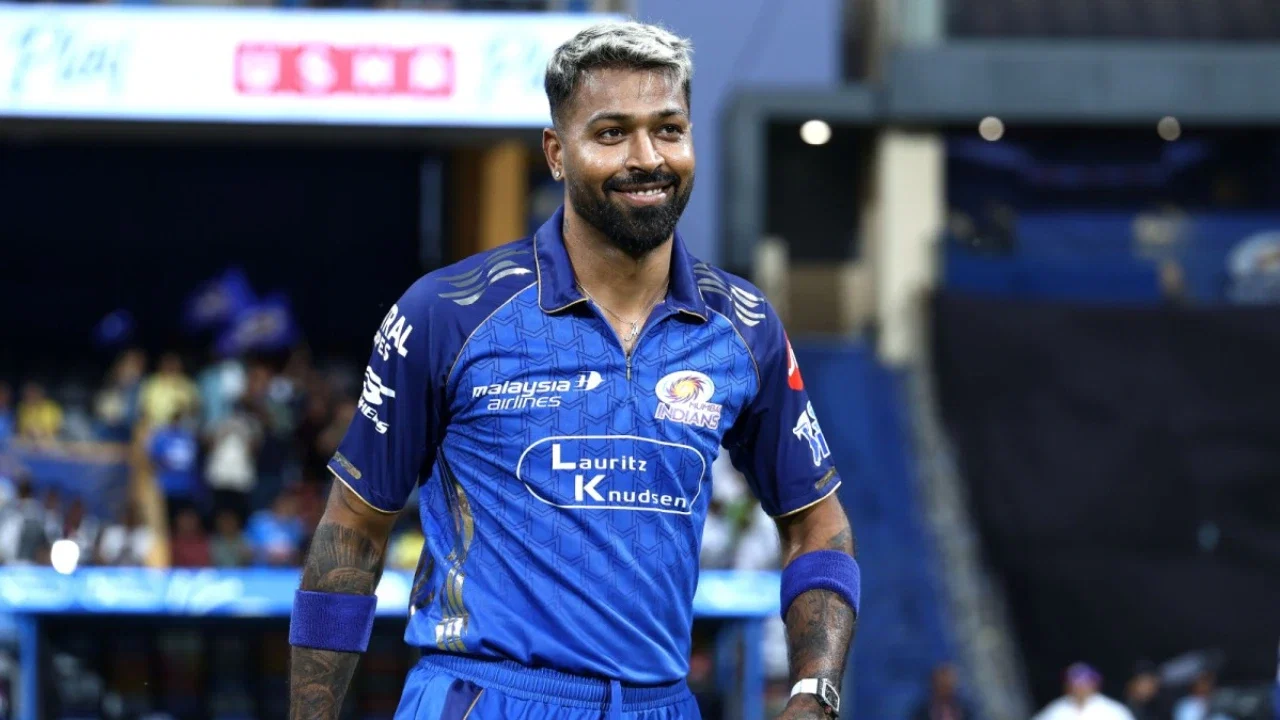
The Mumbai Indians (MI), once the gold standard of the Indian Premier League, are currently navigating one of the most turbulent periods in their illustrious history. Following a disastrous IPL 2026 campaign, the franchise finds itself near the bottom of the points table, forcing management to confront the uncomfortable reality regarding Hardik Pandya’s future as captain. After three seasons of inconsistent results and internal friction, it is time for a ruthless assessment of the team’s direction.
1. The Tactical and Leadership Void
Since Hardik Pandya’s return to the Mumbai Indians as captain in 2024, the team has struggled to replicate the success defined by the Rohit Sharma era. The transition in leadership was expected to spark a new dawn, but instead, it led to a chaotic cycle of poor bowling rotations, confusing tactical decisions, and a failure to read match conditions. The team’s inability to defend their home turf at the Wankhede Stadium serves as a testament to the tactical disconnect between the dugout and the field.
2. Declining All-Rounder Utility
Hardik Pandya was once heralded as one of India’s most dangerous all-rounders, but his personal statistics tell a concerning story. Since returning to Mumbai, his impact has waned significantly. In 2024, he struggled with a high economy rate, and his 2026 figures—a meager 4 wickets at an average of 61.50 and an economy of 11.90—highlight his current lack of effectiveness. With the bat, he has failed to deliver the match-winning knocks that the franchise once relied upon, showing a marked decline in his batting average and strike rate over three consecutive seasons.
3. Erosion of Team Culture and Unity
Perhaps the most damaging effect of the current leadership is the reported divide within the dressing room. Success in the IPL is built on cohesion, yet under the current captaincy, the Mumbai Indians have appeared disjointed. Reports suggesting a lack of unity and frustration among senior players have alienated the fanbase and hindered on-field performance. The visible frustration displayed by the skipper during matches has only served to undermine team morale further.
4. The Need for a Fresh Identity
The 2027 mega auction presents the perfect opportunity for the Mumbai Indians to shed the baggage of the last three years. By parting ways with Pandya, the franchise can build a squad that reflects a new identity. Whether through the calm, methodical leadership of Jasprit Bumrah, the proven international success of Suryakumar Yadav, or the long-term potential of Tilak Varma, the team needs a figurehead who commands universal respect and fosters internal stability.
5. Strategic Succession Planning
The franchise possesses multiple candidates capable of steering the ship toward future titles. Jasprit Bumrah offers the intelligence and loyalty required to rebuild the culture. Suryakumar Yadav, having led India to multiple trophy wins, brings extensive T20 leadership experience. Meanwhile, young talent like Tilak Varma provides an opportunity for a generational shift. Moving on from the current experiment is not just about correcting a mistake; it is about securing the competitive future of one of cricket’s biggest brands.
Conclusion: A Path Forward
The experiment with Hardik Pandya as the face of the Mumbai Indians has clearly backfired. As the franchise prepares for the 2027 cycle, they must prioritize stability, team chemistry, and tactical clarity. Parting ways with their current skipper is an essential step toward restoring the Mumbai Indians to their rightful place as the dominant force in the Indian Premier League. The fans are calling for change, and the numbers support that the time for a leadership transition is now.