Major Overhaul: BCCI Updates Domestic Rules for Overthrows, Deliberate No-Balls & More

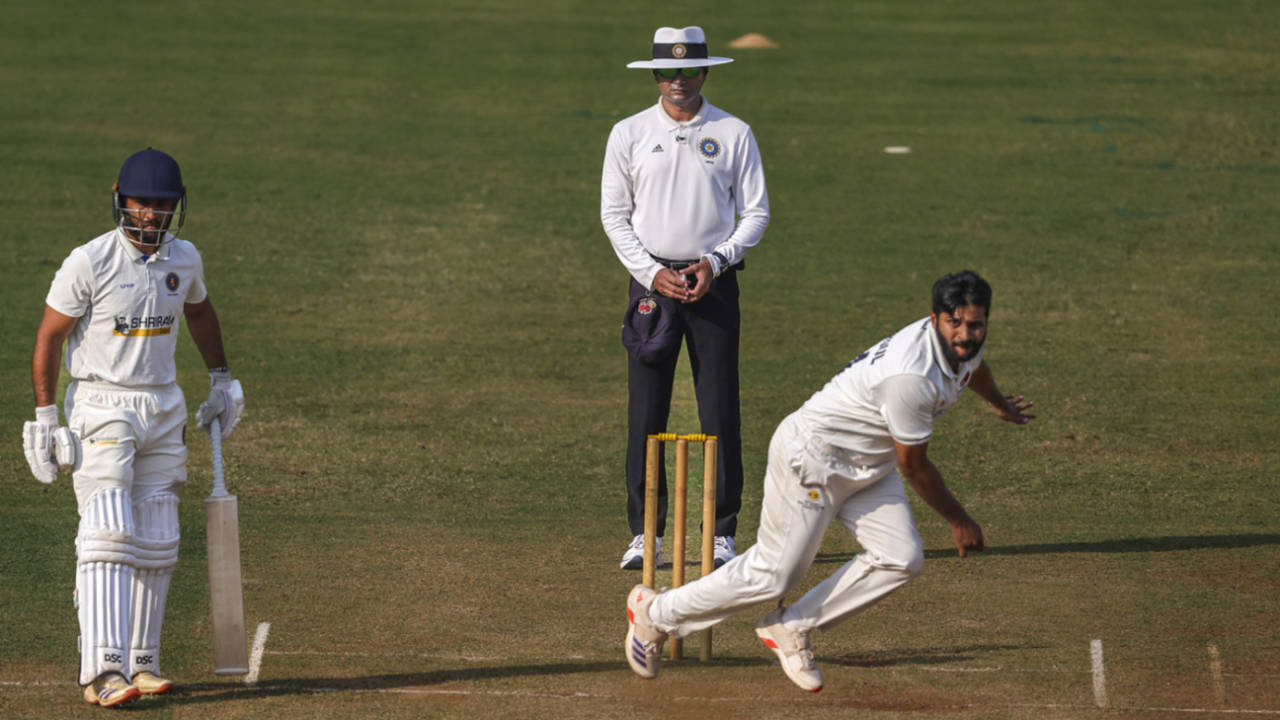
The Board of Control for Cricket in India (BCCI) has announced a series of pivotal amendments to its domestic playing conditions, signaling a concerted effort to enhance fair play, improve player safety, and align Indian cricket with the latest global standards set by the Marylebone Cricket Club (MCC) Laws. These comprehensive revisions, which include significant changes to how deliberate no-balls, overthrows, and wicketkeeper positions are judged, are set to profoundly impact the strategies and conduct of players across various domestic tournaments.
Contents
- 1 Stricter Penalties for Deliberate No-Balls and Non-Landing Deliveries
- 2 Ensuring Completion of the Day’s Play: The Final Over Rule
- 3 Clarifying the Wicketkeeper’s Position
- 4 Redefining Overthrows: A Return to Conventional Thinking
- 5 Enhanced Clarity for Leg-Side Wides in Limited-Overs Cricket
- 6 Proactive Implementation Ahead of MCC Laws
Stricter Penalties for Deliberate No-Balls and Non-Landing Deliveries
One of the most impactful changes introduced by the BCCI addresses the contentious issue of bowlers deliberately bowling front-foot no-balls and non-landing full-toss deliveries. Under the previous regulations, a bowler found guilty of such an offense would face suspension for that particular innings. However, recognizing the gravity of these actions—often perceived as dangerous or a deliberate attempt to gain an unfair advantage—the BCCI has instituted a significantly stricter punishment.
According to the updated rules, a bowler who intentionally delivers a front-foot no-ball or a non-landing full toss will now be suspended for the remainder of the entire match. This decisive shift reflects the BCCI’s commitment to eradicating such practices from the domestic circuit. The “stricter punishment” is designed not only to deter bowlers from compromising player safety but also to uphold the integrity and spirit of the game. This change sends a clear message that intentional dangerous or illegal bowling will not be tolerated, ensuring a safer and more competitive environment for all participants.
Ensuring Completion of the Day’s Play: The Final Over Rule
Another crucial amendment, particularly relevant for multi-day competitions, concerns the completion of the final over of a day’s play. Historically, the fall of a wicket during the last over could effectively bring play to an abrupt halt, allowing the batting team to avoid sending a new batter out late in the evening. This often led to tactical maneuvers designed to exploit this loophole, potentially reducing playing time and fairness.
The BCCI’s revised condition mandates that the final over of a day must be completed in its entirety, irrespective of whether a wicket falls during that over. This progressive change is designed to prevent batting teams from deliberately delaying or circumventing the entry of a new batsman, ensuring that the maximum possible play occurs. It encourages proactive cricketing and reduces the scope for time-wasting tactics, contributing to a more continuous and exciting game for players and spectators alike. This rule fosters an environment where strategic play is prioritized over tactical exploitation of the rules.
Clarifying the Wicketkeeper’s Position
In alignment with the MCC’s revised wording, the BCCI has also refined the law pertaining to the wicketkeeper’s position. The previous rule stipulated that the wicketkeeper must be fully behind the stumps from the moment the ball comes into play. This often led to ambiguities and penalties for wicketkeepers whose gloves might briefly cross the plane of the stumps during the bowler’s run-up, even if they were not interfering with play.
The updated regulation clarifies that the wicketkeeper is required to be correctly positioned only from the instant of delivery. This subtle yet significant change means that wicketkeepers will no longer be penalized for having their gloves momentarily in front of the stumps during the bowler’s run-up, provided they are in the correct position when the ball is actually delivered. This provides much-needed clarity for both wicketkeepers and umpires, allowing keepers to adopt more natural and dynamic stances without fear of unfair penalties, ultimately promoting better wicketkeeping practices without compromising the spirit of the law.
Redefining Overthrows: A Return to Conventional Thinking
The definition of an overthrow has also undergone a vital revision, bringing the law in line with “conventional thinking” on misfields versus overthrows. Previously, there could be some ambiguity in distinguishing between a genuine overthrow and runs scored from a simple misfield.
The revised law now explicitly specifies that an overthrow refers to a throw made in an attempt to break the stumps, prevent runs, or effect a run-out. This distinction is crucial for accurate scorekeeping and fair play. For instance, if a fielder misfields the ball and it rolls away, runs scored from that are typically attributed to a misfield. However, if a fielder makes a deliberate attempt to hit the stumps or stop a run, and the ball goes past them, those additional runs are now clearly defined as overthrows. This updated definition eliminates potential disputes and ensures that the score reflects the true sequence of play, reinforcing clarity for players, umpires, and statisticians.
Enhanced Clarity for Leg-Side Wides in Limited-Overs Cricket
Recognizing the unique demands of limited-overs formats, the BCCI has introduced a specific change for one-day and T20 competitions concerning leg-side wides. To assist umpires in making more consistent and accurate judgments, an additional crease marking will now be implemented on the leg side. This extra line will be required to be marked in a “clearly visible” color, providing a definitive visual reference for officials.
Furthermore, the guideline for judging wides has been updated, with the removal of earlier wording that referred specifically to the off side. This ensures a more symmetrical and equitable application of the wide-ball rule across both sides of the wicket. This change is particularly significant in modern limited-overs cricket, where bowlers often target the leg side to restrict scoring or create opportunities. The additional marking and revised guidelines will lead to greater consistency in umpire decisions, reducing controversy and allowing batsmen and bowlers to operate with a clearer understanding of the rules governing wide deliveries.
Proactive Implementation Ahead of MCC Laws
It is noteworthy that these revised playing conditions by the BCCI are set to come into effect from August 1, two months ahead of the MCC’s global Laws, which are scheduled to take effect from October 1. This proactive approach by the BCCI underscores its commitment to staying at the forefront of cricketing governance and ensuring that Indian domestic cricket remains a benchmark for fair play and adherence to international standards. Implementing these changes earlier provides a crucial period for players, coaches, and umpires to adapt to the new regulations, ensuring a smoother transition when the global MCC Laws officially come into force.
These comprehensive updates signify the BCCI’s dedication to continuously evolving the game, addressing contemporary challenges, and maintaining the integrity and excitement of cricket across all its domestic tournaments. The changes are expected to foster a more disciplined and strategic approach to the game, ultimately benefiting the quality and fairness of competition.