Shakib Al Hasan reflects on mistakes and his political journey: A Cricketing Legend’s Perspective

Shakib Al Hasan‘s illustrious career has been a rollercoaster of extraordinary triumphs and profound challenges, cementing his status as one of Bangladesh’s most iconic cricketers. His journey, marked by dramatic performances and occasional controversies, leaves no doubt about his enduring legacy in the sport. Even at 39, Shakib remains a pivotal figure, continuously pushing the boundaries of what is possible on the cricket field.
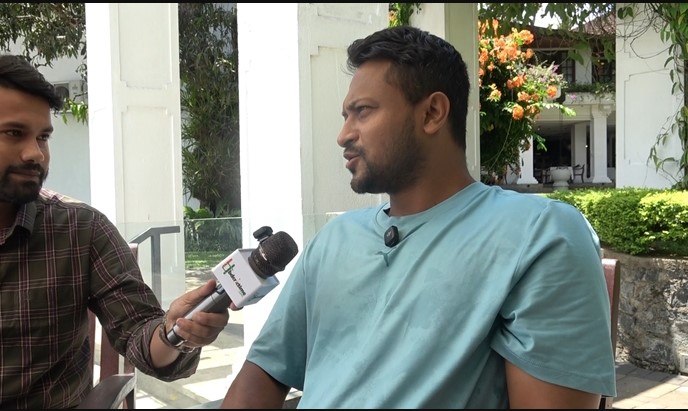
Amidst his current engagement with the Jaffna Kings in the Lanka Premier League (LPL), Shakib recently opened up in a candid interview with BDCricTime. The conversation delved into a compelling question: if given the opportunity, would he alter any decisions made throughout his life or career? His response, reflective and deeply philosophical, offers a rare glimpse into the mindset of a sporting legend.
Contents
Embracing Imperfection: Shakib’s Philosophy on Learning
Far from harboring regrets, Shakib Al Hasan articulated a profound belief in the intrinsic value of every experience, good or bad. He firmly stated that he couldn’t pinpoint any decision he would change, emphasizing that mistakes are not just inevitable but are crucial catalysts for learning and personal growth. For Shakib, a life without errors would be a life devoid of lessons, a concept he finds unfathomable.
He explained, “No, I can’t really think of anything like that. People make mistakes, and that’s how they learn. If you never make mistakes, how will you learn? That’s the bigger question. If I could erase those mistakes, I wouldn’t have learned from them. So I’m okay with both my mistakes and my good decisions. Together, they’ve brought me to where I am today, and I’m happy with that.” This perspective highlights a mature understanding that every choice, every misstep, contributes to the intricate tapestry of one’s journey.
Shakib further elaborated on his contentment, adding, “Instead of looking above me, when I look at where I came from, I feel I’m in a very good place. That makes me happy most of the time.” This statement underscores a sense of gratitude and self-awareness, indicating that his personal barometer for success and happiness is measured by his progress and evolution, rather than by external comparisons or an idealized past.
The Political Pitch: A New Innings Beyond Cricket
Another significant aspect of Shakib’s journey discussed was his foray into politics, a decision made before his retirement from international cricket. Many observers wondered if this simultaneous engagement was a misstep, given the demanding nature of both fields. However, Shakib approaches this chapter of his life with the same forward-thinking attitude, expressing no regrets about his political involvement.
When directly asked if entering politics during his active playing career was a mistake, the former Bangladesh captain reiterated his preference for focusing on the future rather than dwelling on the past. He asserted, “I don’t really want to change the past. What’s done is done. I’d rather learn from those experiences and focus on what I can do better going forward. It’s impossible to say what might have happened if I had made different choices. Things could have been completely different.”
He acknowledged the unpredictable nature of life and choices, stating, “Even now, I consider myself very fortunate. Life will always have both mistakes and good moments. The important thing is to learn from them and keep moving forward.” This stance reflects a pragmatic and resilient character, one that embraces the totality of his experiences as part of a larger, evolving narrative.
Shakib’s political affiliations, particularly in the aftermath of the July Revolution, led to a discernible decline in his popularity among some segments of the public. Despite not being present in Bangladesh during that tumultuous period, he still found himself subjected to considerable criticism, a common fate for public figures whose actions become intertwined with national political events.
When confronted with the question of why he had to bear such responsibility despite his physical absence from the country, Shakib offered a response imbued with both humor and careful diplomacy. A smile played on his lips as he suggested, “You should ask the people who are in charge now. Ask them why things are still like this. What’s the point of asking me? I’m not the person who can answer that. The people making the decisions now are in a much better position to explain.”
This witty redirection not only deflected the direct accusation but also subtly highlighted the complexities of public perception and political accountability, implying that the roots of such criticism might lie elsewhere. It underscored his ability to navigate sensitive topics with a blend of candor and strategic thought, without directly confronting or escalating the issue.
A Journey of Growth and Resilience
Shakib Al Hasan’s reflections paint a picture of an athlete and an individual who has not only achieved immense success but has also cultivated a deep sense of self-awareness and resilience. His philosophy that mistakes are essential for learning, coupled with his forward-looking approach to his political journey, offers valuable insights into his personal growth.
From the cricket pitch to the political arena, Shakib’s life has been a testament to embracing challenges and learning from every curveball thrown his way. His contentment with his journey, acknowledging both the highs and the lows, serves as an inspiration, reminding us that true progress often comes from navigating the full spectrum of experiences with an open mind and a determined spirit. As he continues to play cricket and engage with life’s myriad challenges, Shakib Al Hasan remains a fascinating figure, constantly evolving and leaving an indelible mark on every field he chooses to inhabit.