Shakib Al Hasan says Bangladesh’s biggest weakness is bench strength
Contents
The Transition of a Cricket Nation
The golden era defined by Bangladesh’s legendary ‘Fabulous Five’ is rapidly receding into history. With the iconic group having moved on from the international stage—save for Mushfiqur Rahim, who remains a stalwart in the Test format—the team has entered a vital transition phase. A new generation of talent, headlined by players like Litton Das and Taskin Ahmed, has emerged to carry the mantle. While these individuals have effectively filled the void, the sustainability of this success remains a topic of intense discussion within the cricketing fraternity.
Addressing the Depth Issue
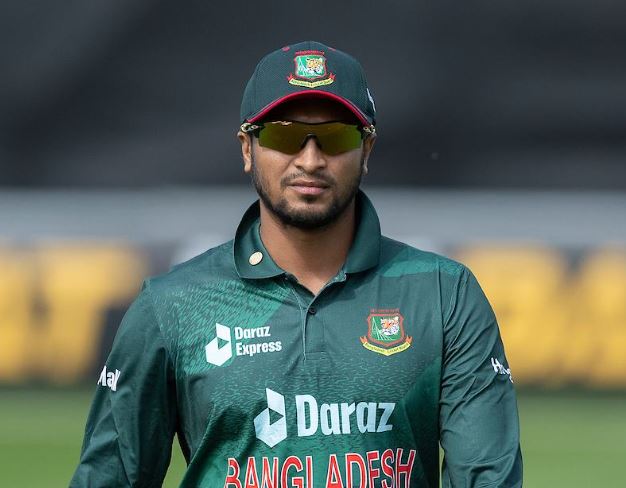
In a recent conversation with BDCricTime, former captain Shakib Al Hasan offered a candid assessment of the current state of the national side. While he maintains a positive outlook on the team’s competitive standing across all three formats, he was quick to identify a structural flaw. According to the veteran, Shakib Al Hasan says Bangladesh’s biggest weakness is bench strength, a factor that could hinder long-term consistency.
“I think the team is doing well in all three formats. If I have to point out one weakness, it’s our bench strength,” Shakib noted. He emphasized that while the first-choice playing XI is formidable and capable of challenging any opponent globally, the drop-off in quality becomes apparent when injuries occur or when the team management attempts to rotate the squad. This reliance on a core group of eleven players makes the team susceptible to sudden performance dips during rigorous international schedules.
The Pace Revolution
One of the most notable bright spots in recent years has been the dramatic evolution of Bangladesh’s pace attack. Once considered a secondary support unit, the fast bowling department has undergone a transformation that many analysts are calling a ‘pace revolution.’ When asked about the credit for this success, Shakib provided an objective perspective, dismissing the idea of a singular hero.
“Something like this doesn’t happen overnight,” he explained. “It’s the result of years of hard work. Everyone has worked consistently, and that’s how we’ve reached this stage. I hope things get even better in the future.” His assessment highlights a collective effort from the coaching staff, the domestic structure, and the players themselves, rather than the impact of any one individual.
Future Talent and Personal Reflections
Despite being pressed to identify the most promising young talent in the current setup, Shakib opted for a diplomatic and inclusive approach. He suggested that there is an abundance of potential within the domestic talent pool and that singling out specific individuals would be unnecessary. His focus remains on the collective improvement of the squad rather than personal accolades.
Reflecting on his own illustrious career, the conversation inevitably drifted toward his legacy. Often compared to global sporting icons like Lionel Messi due to his immense influence on the game, Shakib remains humble. While he admitted that he does not dwell on such comparisons, he did express a poignant regret regarding his inability to secure a major trophy for his country. “It would have been wonderful if I could have won a trophy with Bangladesh. We reached several finals but never became champions. That’s definitely something I regret.”
As Bangladesh continues to navigate the complexities of modern cricket, the insights provided by someone of Shakib’s stature serve as a roadmap for future progress. Addressing the disparity in bench strength will likely be the next frontier for the Bangladesh Cricket Board if they are to transition from a competitive side to a championship-winning one.