Joe Root Abolishes England’s Midnight Curfew, Says ‘Don’t Think They Work’

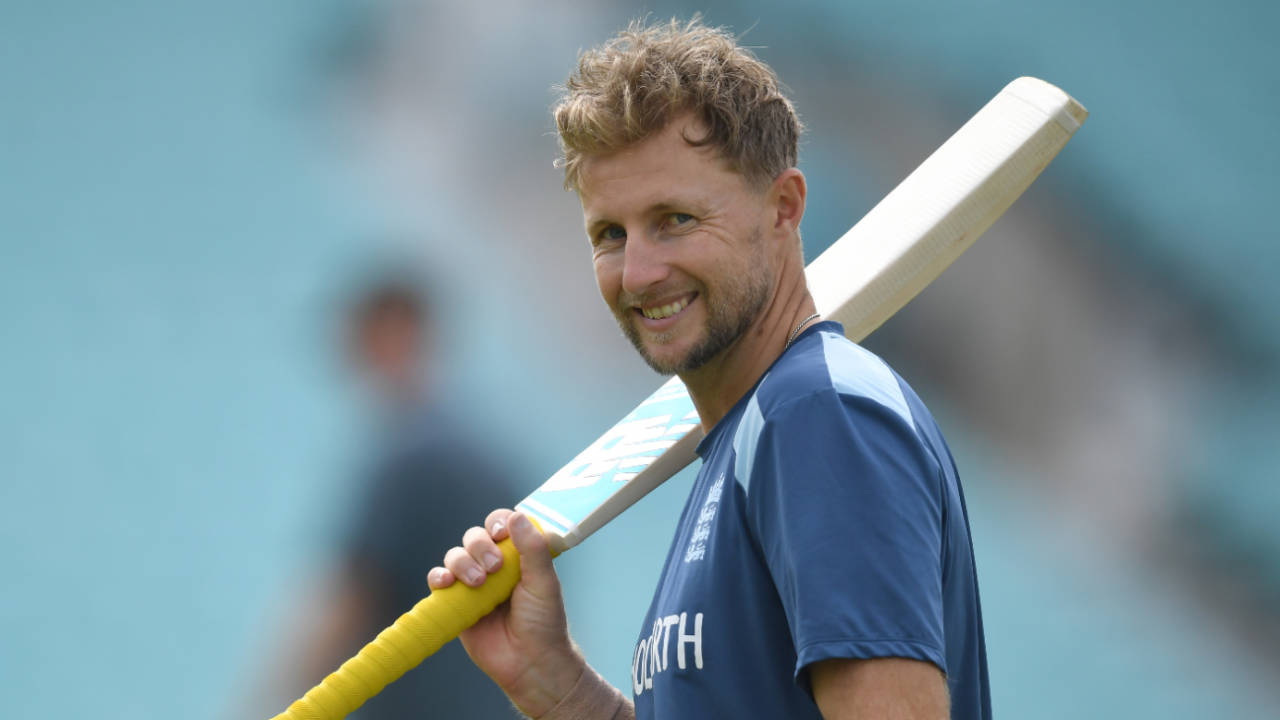
Joe Root, in his highly anticipated return to the helm of England’s Test team, has made a decisive move by abolishing the long-standing midnight curfew. Ahead of the crucial three-match series against Pakistan, Root firmly stated his belief that such restrictions are ineffective in fostering genuine responsibility among players.
Contents
A New Era of Player Accountability Under Root’s Captaincy
Root’s reinstatement as captain, a role he stepped down from in 2022, comes at a pivotal time, following Ben Stokes’ retirement from all international cricket earlier this summer. Stokes’ departure was notably influenced by a breach of team protocols after the first Test against New Zealand at Lord’s. This incident, involving both Stokes and Gus Atkinson being out beyond midnight and subsequently involved in an altercation at a Chelsea nightclub where Atkinson was assaulted by a Saracens Academy rugby player, brought the issue of team discipline into sharp focus.
The aftermath saw both Stokes and Atkinson effectively excluded from selection for the second Test. However, the situation was compounded by confusion regarding the curfew’s actual enforcement. Atkinson’s assertion to managing director Rob Key that he was unaware of the curfew’s active status after the Lord’s Test prompted Key to immediately reinforce the measure. This highlighted a significant disconnect in communication and understanding within the team regarding disciplinary guidelines.
The initial implementation of a strict curfew policy had its roots in a period of “unprofessional winter” for the England squad. This was notably triggered by an incident involving Test vice-captain and white-ball skipper Harry Brook, who was reportedly punched by a nightclub bouncer in Wellington, New Zealand. This unfortunate event occurred on the eve of the final match of a white-ball tour that preceded a critical Ashes series, underscoring the need for greater discipline off the field.
Root’s Philosophy: Empowering ‘Grown Adults’
Now, with Stephen Fleming taking over as the new Test head coach from Brendon McCullum, Root’s decision to scrap the curfew represents a clear and significant shift in regime and philosophy. Root believes that imposing a curfew is counterproductive. He articulated his views on the Sky Cricket Podcast, stating, “My view on curfews is I don’t think they work. And if you want guys to take responsibility on the field, they’ve got to feel like they can be grown adults and make good, strong decisions off it.”
This approach emphasizes trust and self-governance within the squad. Root expects his team-mates to act as “grown adults” and fully acknowledge the profound responsibilities that accompany representing their country on the international stage. He stressed the importance of creating a culture where players understand the balance between celebration and maintaining professional standards.
“And that’s for us as a team to manage well and self-police well for me and Flem to manage well in many ways. But ultimately grown adults – you know what it takes to play for England. You know what your responsibilities are off the field,” Root further explained. “We should be known for how we play our cricket and what we do on the field. And we should be on the back page of papers and people reading about that sort of stuff. So as much as I’ve got to say on it, that’s be adults, look after yourselves, look after each other. Create a good, strong culture where you know when the right time is to celebrate and enjoy a win or to have a sensible beer or whatever. And remember you’re playing for England.”
This sentiment underlines a desire for the team’s public image and media coverage to be dominated by their cricketing prowess and achievements, rather than controversies stemming from off-field conduct. The focus is firmly redirected towards performance and the integrity of the game.
ECB Endorsement and Wider Implications
The England and Wales Cricket Board (ECB) officially confirmed the abolition of the curfew in a statement released on Wednesday. This policy change is not limited to the Test squad but will also be applied across the white-ball sides under the leadership of McCullum and Brook. The ECB statement read: “We have a Test captain and coach, who are looking at how they set team standards and culture. As part of this, the curfew will no longer be in place. We will ensure all players have a clear understanding of expectations when they come together for the upcoming Test series.”
This widespread application signifies a unified approach to player management and cultural expectations across all formats of English cricket. It suggests a move away from rigid, externally enforced rules towards a more player-centric model of discipline, where personal accountability and collective responsibility are paramount. The success of this new approach will heavily depend on the players’ willingness to embrace the trust placed in them and uphold the professional standards expected of international athletes.
A Historical Context of Curfews in English Cricket
Interestingly, Root himself was captain when an official curfew was first introduced by then-managing director Andrew Strauss during the controversial 2017-18 Ashes series. That measure was brought in after Jonny Bairstow was erroneously accused of headbutting Australian opener Cameron Bancroft in a Perth nightclub. The atmosphere surrounding the England team at the time was particularly charged, with Ben Stokes notably absent from that Australian tour due to his involvement in a street fight in Bristol earlier that year, before he was subsequently cleared of affray the following summer. These past incidents underscore the persistent challenges faced by cricket authorities in balancing player freedom with the need for team discipline and maintaining a positive public image. Root’s current decision to remove the curfew therefore represents a departure from previous strategies, reflecting a leadership style that prioritizes empowerment and internal accountability over external restrictions.