Gill: ‘Extra time in preparation definitely helps’ ahead of Sri Lanka Test

Contents
A Rare Luxury in Modern Cricket
In an era where international cricket schedules are packed with relentless travel and back-to-back fixtures, a ten-day lead-in to a two-Test series is a rarity. For the Indian squad, however, this extended preparation period has been a strategic priority as they aim to resuscitate their World Test Championship (WTC) campaign. Following the disappointment of their 2-0 series loss to South Africa last year, the team has left nothing to chance. Their itinerary included a three-day tour match in Colombo, followed by nearly five full days of practice in the historic city of Galle, the venue for the opening Test.
Adapting to Local Nuances
While cricket conditions in Sri Lanka often mirror those found in various Indian venues, the touring side has adopted a meticulous approach, examining the subtle atmospheric and surface differences they expect to encounter. Adjusting to the stifling heat and humidity of the island is the primary hurdle for any visiting team. By allowing themselves such a generous window to acclimate, the Indian side has sought to mitigate the physical fatigue that often accompanies overseas tours.
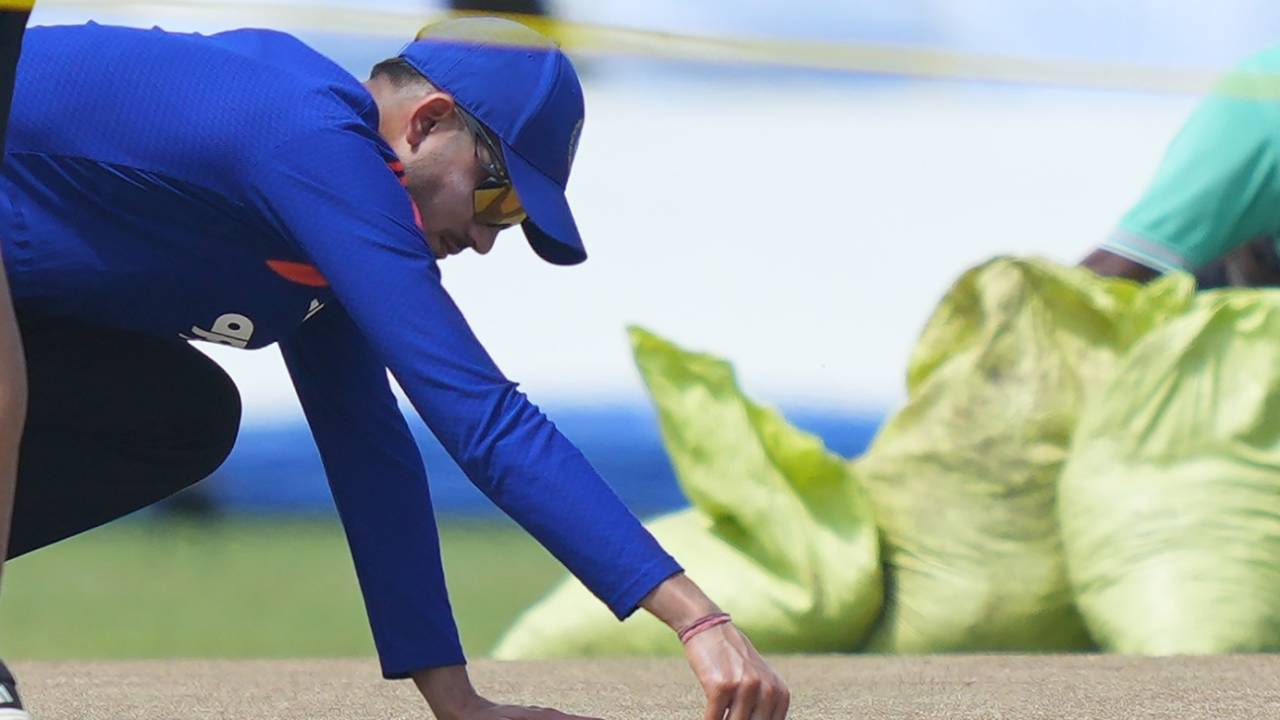
On the eve of the first Test—which carries the dual significance of being India’s 600th Test match and the 50th hosted at the picturesque Galle International Stadium—captain Shubman Gill emphasized the necessity of this lead-in time for a squad currently navigating a period of transition.
The Captain’s Perspective on Readiness
Addressing the press, Gill noted the importance of the training block for a squad that lacks significant collective experience in these conditions. “It’s never easy for the players to be able to adapt, and most of the players in this team I think require a bit of time to be able to adjust to the conditions,” the captain explained. “It is not like a lot of the players have a lot of matches or a lot of experience under their belt, so the extra time in preparation definitely helps.”
Mastering the Elements at Galle
One of the most distinctive features of the Galle stadium is the potent sea breeze that sweeps across the ground. Historically, this wind acts as a drying agent for the pitch, scuffing the ball and facilitating reverse swing—a tactic that has often defined the outcome of matches here. While recent rainfall might limit the surface’s ability to dry out, Gill remains acutely aware of the wind’s tactical implications.
“In grounds like this, which are open, wind sometimes plays a crucial part,” Gill observed. “As a batsman, even in team meetings we talk about if we want to take on a spinner, we have to see if the wind is with us or against us. How can we use that condition in our favour rather than trying to go against that? Maybe that is one of the differences between playing in Sri Lanka and India – most of the grounds in India are closed with the stands. In open grounds, the wind plays a huge role.”
Tactical Flexibility in the Absence of Bumrah
The absence of premier fast bowler Jasprit Bumrah, currently sidelined with a knee injury, presents a significant challenge for the Indian bowling attack. Gill views this gap as an opportunity for the younger members of the squad to distinguish themselves on the international stage.
“Bumrah is not there, but I think it is a really good opportunity for some of the other bowlers to really step up and leave a mark on the series,” the captain said. The strategy moving forward will rely heavily on creativity and pressure management. “You have to keep trying different things to be able to take wickets. You have to create opportunities, especially on day 1 and day 2. There could be a chance that there is not much happening from the wickets. So how can you create pressure? How can you not let the game slip away too much from you? Having those kinds of creative fields is important.”
As the first ball approaches, the focus remains on whether this comprehensive preparation will translate into a disciplined, winning performance that sets the tone for the remainder of the series.