
Contents
The Case for Extended Test Series
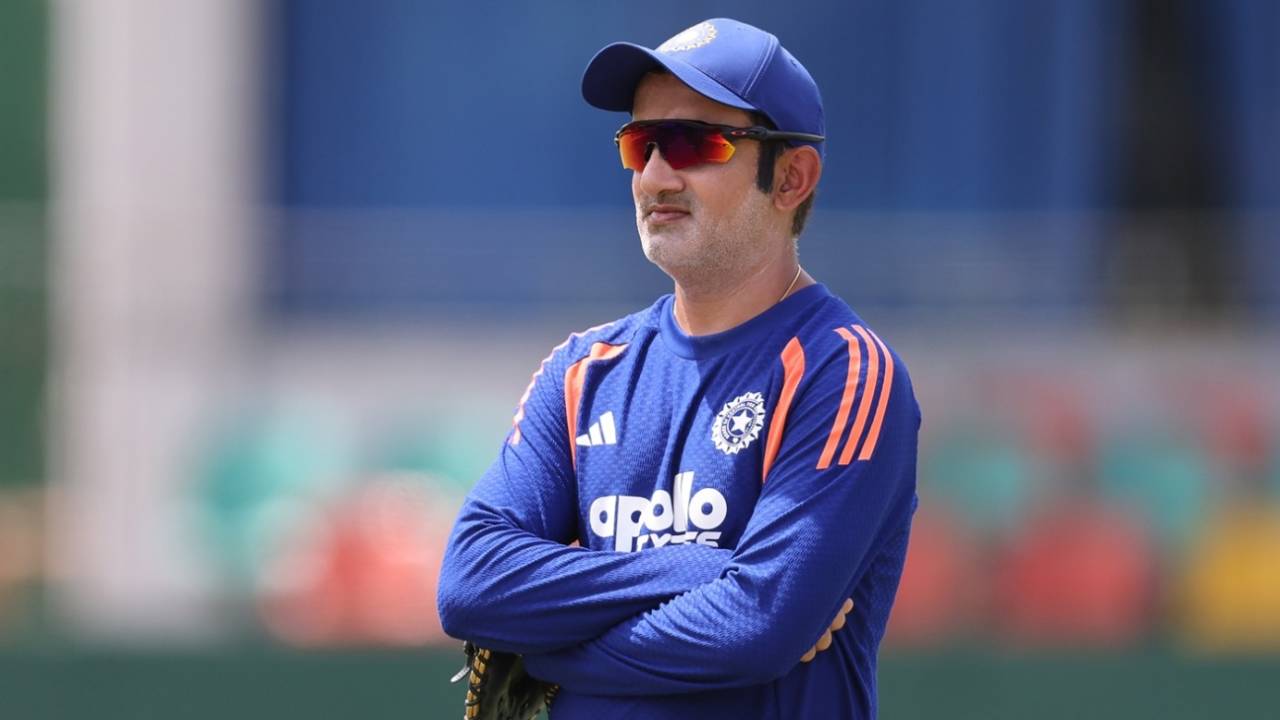
In the evolving landscape of international cricket, the structure of Test series has come under increased scrutiny. Indian head coach Gautam Gambhir has recently weighed in on the debate, expressing a strong preference for longer formats. Specifically, Gambhir ‘ideally’ wants three-match Test series to replace the current trend of shorter two-match contests, which he believes often cut competitive narratives prematurely short.
Why Two-Test Series Fall Short
Speaking to the media in Colombo ahead of the second Test against Sri Lanka, Gambhir articulated a clear vision for the game. His primary concern is the lack of resilience allowed by a two-match schedule. In such a setup, a team that falters in the opening match is immediately robbed of the opportunity to win the series; the best possible outcome for the trailing side becomes a drawn series. This, according to Gambhir, diminishes the strategic depth and the dramatic tension that Test cricket is famously known for.
“I’ve always believed that there should always be a possibility that a team losing the first Test match can come back and win the series. You can’t do that in a two-Test series,” Gambhir noted. While his team currently leads their ongoing series in Sri Lanka, he emphasizes that the philosophy of the game should prioritize the chance for a comeback.
Historical Precedent for the Comeback
To support his stance, Gambhir pointed to iconic moments in cricket history where longer series allowed for legendary turnarounds. He fondly recalled the 2020-21 Border-Gavaskar Trophy, where India faced a demoralizing 36-all-out collapse in the first Test at Adelaide. Despite being one-down in the series, the team’s ability to regroup and stage a historic 2-1 victory remained only possible because they had three additional matches to prove their mettle. The resilience shown in Melbourne, Sydney, and Brisbane remains a testament to the beauty of a series that spans multiple encounters.
“I still remember that series, between India and Australia, where India was one down, and they still managed to come back, and win that series 2-1. Normally, if you have those three Test matches, it’s always worth it,” the coach reflected.
The Global Context of Test Cricket
The current scheduling landscape remains uneven across the cricketing world. While traditional powers like India, Australia, and England often engage in longer series, many other nations find themselves restricted to two-match series, even when hosting top-tier opponents. For instance, Sri Lanka’s schedule in the ongoing World Test Championship cycle features a high frequency of two-match series, a trend that even previous champions like South Africa have encountered.
Gambhir acknowledged that a “short turnaround” between matches is manageable for professional players, comparing the workload to the expectations placed on other international teams. However, he maintained that the sacrifice of length for the sake of scheduling convenience may be detrimental to the sport’s health.
Looking Ahead
The call for three-match series serves as a reminder of the need to protect the integrity of Test cricket. As cricket boards continue to navigate the complexities of the World Test Championship cycle, the voices of influential figures like Gambhir provide a perspective that champions the competitive spirit of the game. Whether this leads to a shift in scheduling policy remains to be seen, but the conversation regarding the importance of series length is firmly on the table.
Ultimately, the objective is to ensure that Test cricket remains a test of character, endurance, and strategy—qualities that are best displayed when teams have the time and space to navigate the ebb and flow of a three-match encounter.