Ravindra Jadeja, Hardik Pandya Under Scrutiny as India Plans for 2027 ODI World Cup
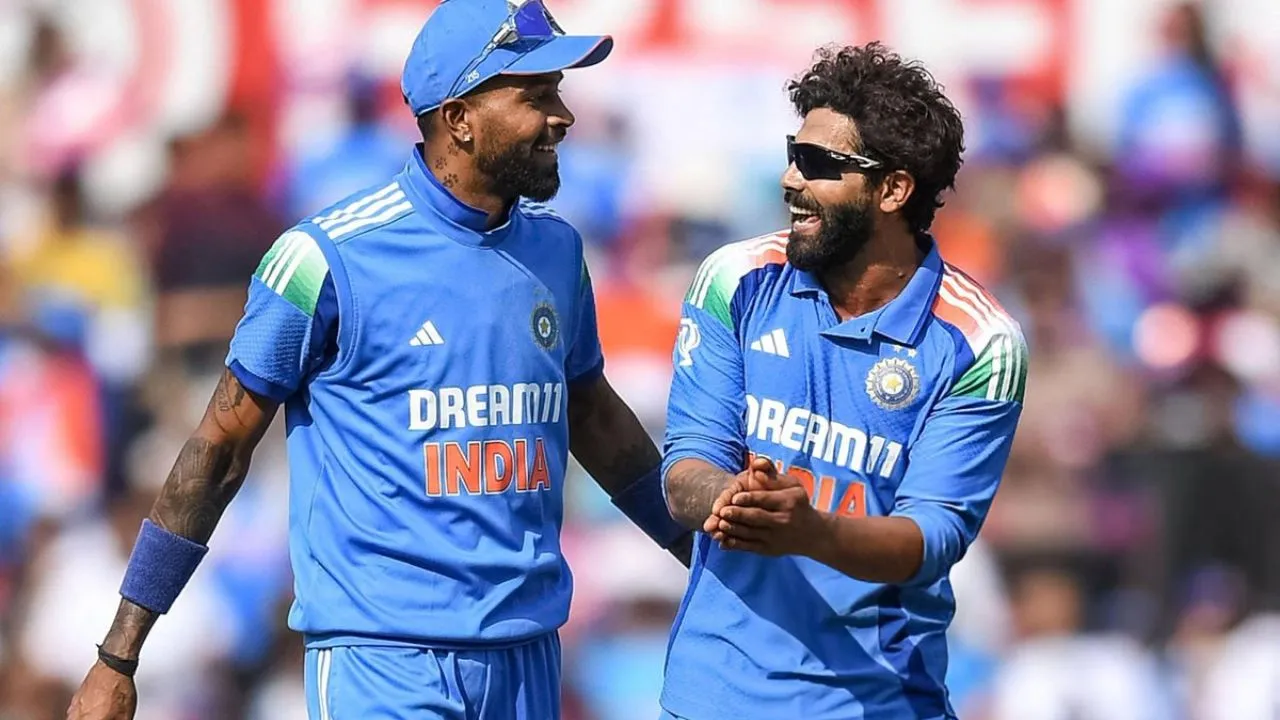
The landscape of Indian cricket is on the cusp of significant transformation as the senior men’s selection committee, led by Ajit Agarkar, prepares to make crucial decisions that will shape the team’s trajectory towards the 2027 ODI World Cup. A pivotal meeting scheduled for Tuesday, May 19, marks the official commencement of India’s long-term planning, with particular attention focused on the future roles and contributions of seasoned all-rounders Ravindra Jadeja and Hardik Pandya.
This strategic gathering is not only dedicated to mapping out the blueprint for the next global cricketing spectacle but also to finalize the squads for the upcoming bilateral series against Afghanistan. India is set to host Afghanistan for a solitary Test match, followed by a demanding three-match One-Day International series. Shubman Gill is widely anticipated to assume captaincy duties for the white-ball fixtures, which are slated to begin on June 14. The performance and fitness of every potential candidate during this series will be under intense scrutiny, serving as a critical evaluation period for the selectors.
Ravindra Jadeja’s Position Under The Microscope
According to comprehensive reports, including one from The Times of India, the selection committee is engaged in profound discussions concerning the integral role of senior players within India’s evolving ODI structure. Foremost among these discussions is the position of the veteran all-rounder, Ravindra Jadeja. At 37 years of age, Jadeja’s continued presence in the national squad, particularly with an eye on the 2027 ODI World Cup, appears to hinge on a string of compelling performances in the immediate future.
While the team management has historically expressed confidence in Ravindra Jadeja’s abilities, recent trends in his ODI impact have become a source of growing concern. Selectors are reportedly troubled by two key aspects of his game in the 50-over format: his batting strike rate, which has at times been perceived as slow, and his effectiveness with the ball, where his wicket-taking returns have been limited. These performance indicators have collectively intensified the pressure on his established place in the squad as the long-term World Cup planning gathers momentum.
Illustrating these concerns, Jadeja’s recent outings have not entirely quelled the apprehensions. After a period of absence, missing the series against Australia, he made his return to the ODI setup for assignments against South Africa and New Zealand. Across these two significant series, encompassing a total of five bowling innings, Jadeja managed to secure only one solitary wicket. Furthermore, his economy rate during these matches was notably high, indicating a struggle to contain opposition batsmen effectively. With the bat, he contributed 99 runs across five innings, performances that, while not insignificant, have led to questions about his overall match-winning impact in the current ODI landscape.
Hardik Pandya’s Indispensable Yet Troubled Role
Beyond the assessment of senior players like Jadeja, the selection committee is also dedicating significant attention to the fitness and meticulous workload management of Hardik Pandya. Despite his history of injuries, Pandya remains an undeniably crucial component of India’s ODI aspirations. His unique ability to contribute significantly with both bat and ball provides an invaluable balance to the team composition, making him a rare commodity in modern cricket.
However, Hardik Pandya’s recurring injury woes continue to cast a long shadow over his career and India’s long-term plans. A stark reminder of this challenge is his absence from ODI cricket since March 2025, highlighting a consistent battle with fitness. The physical demands inherent in the 50-over format are considerably higher and more taxing compared to the shorter, explosive T20 version of the game. In ODIs, Pandya is expected to deliver longer bowling spells, often being called upon to complete his full quota of 10 overs when the match situation dictates, a requirement that places immense strain on his body.
Forging the Future: No Guaranteed Places and Emerging Talent
The upcoming bilateral series are envisioned as critical testing grounds, providing the selection committee with invaluable opportunities to finalize India’s optimal ODI combination. A clear directive has been communicated from the team management: places in the squad are not guaranteed. Every player, irrespective of their past achievements or stature, is expected to deliver consistent, high-level performances to retain their contention for the prestigious 2027 ODI World Cup.
This merit-based approach also paves the way for promising new talent. Notably, the management has expressed a strong desire to integrate and provide more opportunities to the young all-rounder Nitish Kumar Reddy in the forthcoming months. The 22-year-old has garnered significant attention and praise following his impressive displays in IPL 2026. Reddy showcased considerable prowess with both bat and ball, with his improved bowling performances drawing particular commendation from experts and selectors alike.
Nitish Kumar Reddy is therefore widely expected to be a part of India’s touring squads for the upcoming series in Ireland and England, signifying the management’s commitment to nurturing young talent with an eye on the future. The impending selection meeting on May 19 is poised to be a landmark moment in Indian cricket, as the foundational decisions made now will undoubtedly lay the groundwork for the national team’s pursuit of the 2027 ODI World Cup title.