BCCI Refuses IPL Workload Intervention Amid Player Injury Concerns
Contents
The BCCI Stance on IPL Workload Management
The debate surrounding player fitness and workload management in the Indian Premier League (IPL) has intensified following recent reports of national team players participating despite physical ailments. In a definitive statement, BCCI Secretary Devajit Saikia has ruled out the possibility of the national cricket board stepping in to dictate the bowling workloads of players while they are committed to their respective IPL franchises.
The Varun Chakravarthy Controversy
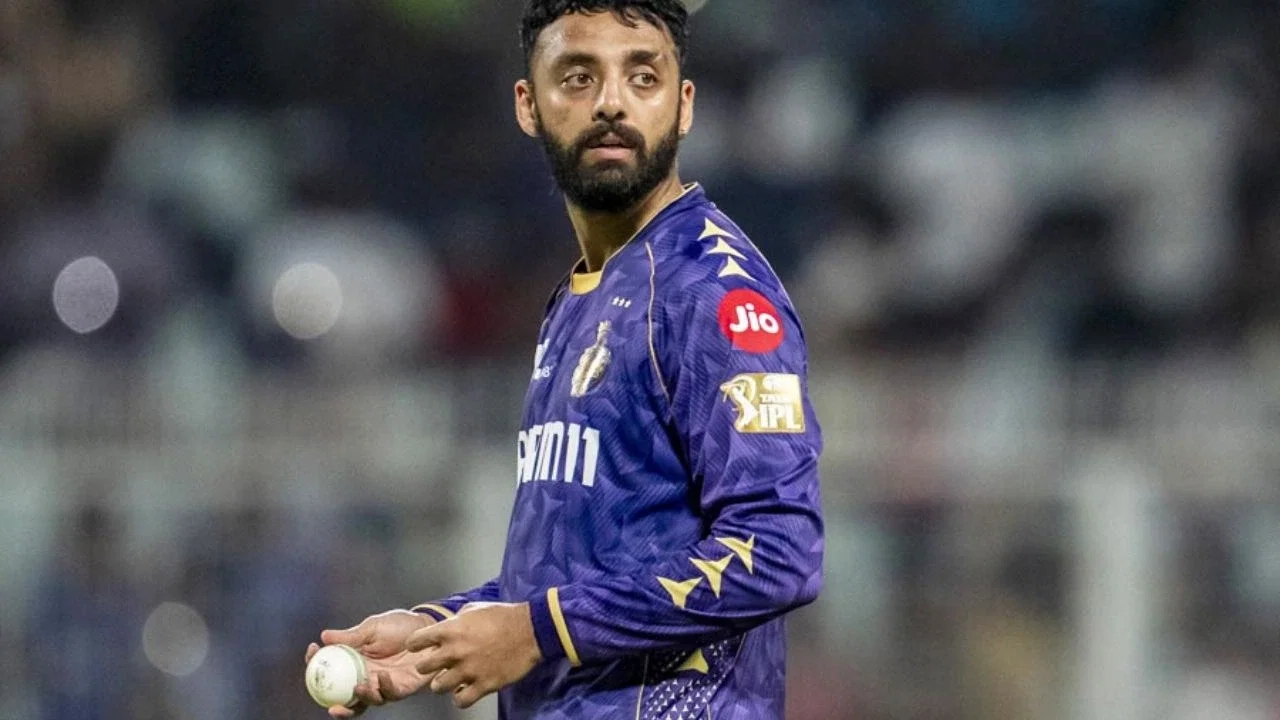
The conversation was sparked by the situation involving Kolkata Knight Riders (KKR) spinner Varun Chakravarthy. Reports emerged indicating that the spinner has been playing through a hairline fracture in his left toe. The injury reportedly occurred during a match against the Sunrisers Hyderabad on May 3—a game in which he was awarded Player of the Match. While Chakravarthy missed the May 13 clash against Royal Challengers Bengaluru, his subsequent appearances have seen him visibly struggling, raising questions about the threshold for player availability during the high-intensity tournament.
A Pattern of Concerns Across Franchises
Chakravarthy is not the only player under the microscope. The issue of workload and physical restriction has surfaced across multiple teams. Andrew Leipus, Head of Sports Science for the Punjab Kings, recently noted that Arshdeep Singh has been dealing with physical limitations that have impacted his bowling consistency. Furthermore, Mumbai Indians Head Coach Mahela Jayawardene previously disclosed that premier pacer Jasprit Bumrah had been playing through a niggle sustained during the T20 World Cup, a period that saw the bowler go wicketless for several games.
Understanding the BCCI’s Jurisdiction
In a discussion regarding these developments, BCCI Secretary Devajit Saikia explained the board’s position on the operational boundaries between the BCCI and IPL franchises. While the BCCI monitors centrally contracted players through the Centre of Excellence (CoE), Saikia emphasized that the board cannot exert direct control during the IPL season.
“We can’t interfere in the functioning of the franchises by trying to control player workload and fitness in the IPL,” Saikia stated. He clarified that once the IPL begins, the franchises are primarily responsible for the management of their players. The board maintains a hands-off approach to day-to-day operations, allowing franchises the autonomy to make decisions based on their squad requirements and match situations.
Fitness as a Prerequisite for National Selection
Despite the lack of interference during the IPL, Saikia provided reassurance that the BCCI maintains strict standards when it comes to the national team. Fitness, he reiterated, remains the ultimate criterion for international selection. The board exercises significantly more control over player fitness when the players transition from franchise cricket back to national duties.
This philosophy was clearly reflected in the recent squad announcements for the one-off Test and the three-match ODI series against Afghanistan. The selectors have prioritized fitness above all else:
- Ravindra Jadeja: Having missed matches for Rajasthan Royals, he was excluded from the upcoming series to focus on recovery.
- Mohammed Shami: The pacer was omitted as selectors were not convinced of his capacity to bowl extended spells.
- Rohit Sharma and Hardik Pandya: Despite dealing with injuries during the 2026 IPL, both were named in the ODI squad, though their participation remains strictly subject to fitness clearances.
Ultimately, the BCCI’s stance serves as a reminder of the complex balancing act between franchise commitments and international responsibilities. While the franchises hold the reins during the IPL, the BCCI remains the final arbiter of who is physically prepared to represent the country, ensuring that national selection is predicated on peak fitness levels rather than just performance in domestic leagues.