Rohit Paudel’s Angry Outburst Following Controversial LBW Decision Against USA

Contents
A Moment of High Tension in Kirtipur
In the high-stakes arena of international cricket, few things are as frustrating as a decision that defies logic. During the second ODI between Nepal and the USA in the ongoing ICC Cricket World Cup League 2 tournament, spectators in Kirtipur, Kathmandu, witnessed a moment of pure contention. Nepal captain Rohit Paudel, standing firm on 46, was given out LBW in a decision that left players and fans alike in a state of utter disbelief.
The Incident That Sparked the Outrage
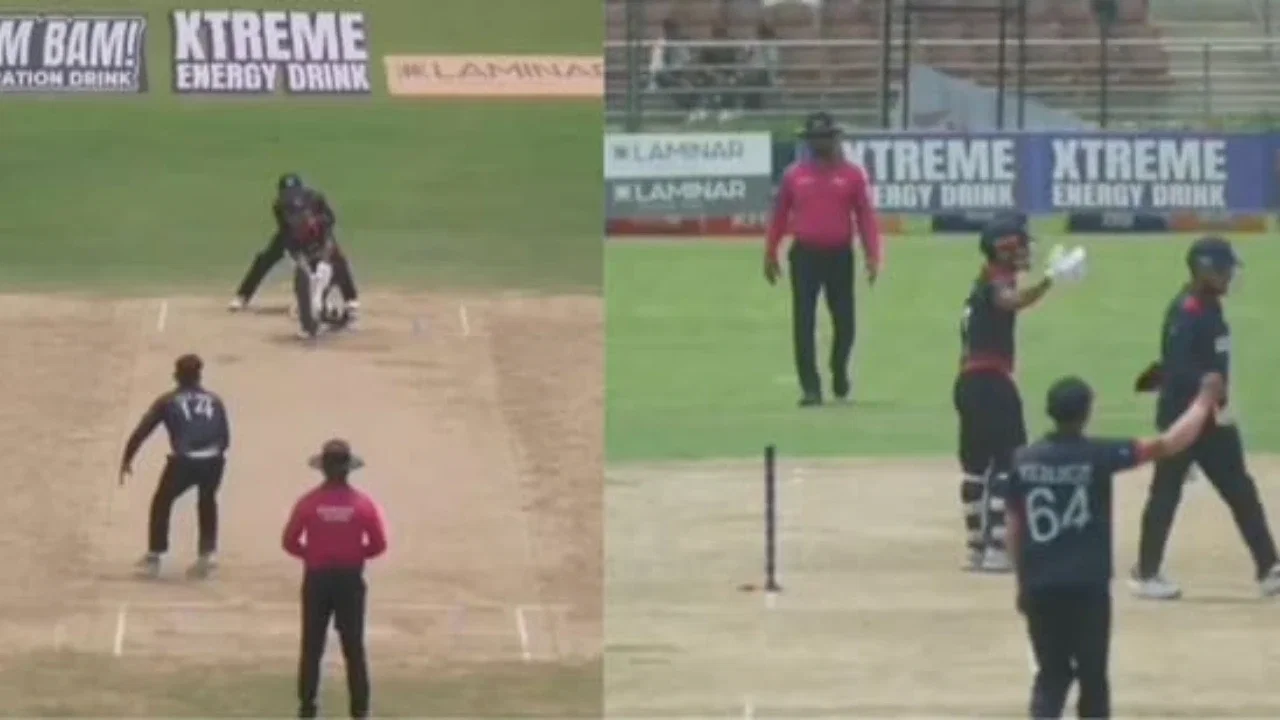
The controversy unfolded during the 38th over of Nepal’s innings. With the hosts comfortably placed at 194/2, Paudel attempted a sweep shot against USA spinner Milind Kumar. As the ball passed, it appeared to make contact with the batsman’s glove before traveling toward the wicketkeeper. However, the umpire’s finger rose almost instantly in response to an appeal for LBW.
Video replays quickly confirmed the absurdity of the situation: the ball had clearly brushed the glove and had not made any contact with the pads. Because the match lacked the Decision Review System (DRS), Paudel had no recourse to challenge the ruling. His reaction was immediate and visceral; the captain was visibly furious, engaging in a heated exchange with the umpire before striking his bat in frustration. As he made his way toward the pavilion, his gestures clearly indicated that he knew the ball had hit his glove, not his leg.
Why the Stakes Are So High
Rohit Paudel’s visible anger was not merely a reaction to a bad call, but a reflection of the immense pressure surrounding this tournament. The ICC Cricket World Cup League 2 serves as a vital pathway for teams like Nepal to qualify for the 2027 ODI World Cup. With only the top four sides progressing to the next stage, every run and every match outcome is crucial.
Currently, Nepal is locked in a fierce battle to secure a top-four spot. Falling outside this bracket would push the team into a grueling playoff route, significantly complicating their journey to the global stage. In this context, losing a set batsman to an officiating error carries weight far beyond a single innings.
Resilience in the Face of Adversity
Despite the emotional toll of the incident, Nepal displayed remarkable mental toughness. The team rallied to post a formidable total of 317/8 in their allotted 50 overs. The momentum carried over into the second half of the match, as Nepal’s bowling attack dismantled the USA lineup, restricting them to just 195 runs within 42 overs.
Sandeep Lamichhane was the standout performer with the ball, claiming a crucial three-wicket haul, while Dipendra Singh Airee and Gulsan Jha provided excellent support, each picking up two wickets. This comprehensive victory served as a testament to the team’s depth and determination.
Umpiring Standards Under the Microscope
The incident involving Paudel is not an isolated event in the current tri-series. There have been growing concerns regarding the quality of umpiring throughout the competition, with multiple questionable decisions drawing criticism from observers and fans. As the tournament progresses toward its conclusion, there is an increasing demand for more consistent officiating to ensure that the integrity of the qualification process remains intact.
Nepal has shown great character throughout the series in Kirtipur, which also features Scotland. Having defeated both the USA and Scotland during the tournament, the hosts have proved that they are a force to be reckoned with. Despite the initial loss to Scotland, Nepal’s ability to recover from both defeats and controversial umpiring displays showcases a team maturing under pressure. As the road to the 2027 World Cup continues, all eyes will remain on how these teams navigate both their opponents and the challenges of international cricket standards.