Watch: Basit Ali tears into Shadab Khan as Saqlain Mushtaq listens on Live TV

Contents
A Heated Debate on Live Television
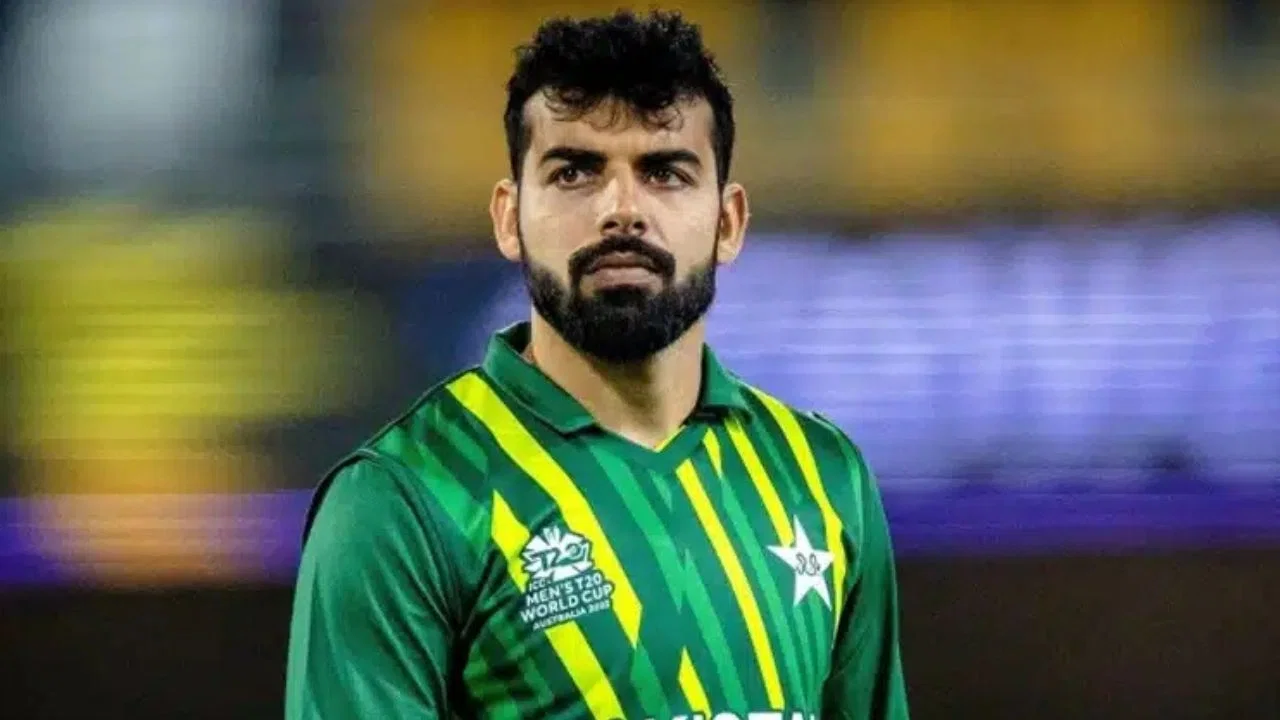
The landscape of Pakistan cricket is often as volatile as it is passionate. Recently, the post-match analysis of Pakistan’s historic 1,000th ODI appearance against Australia turned into an unexpected spectacle. During a broadcast on ARY News, former selector Basit Ali did not hold back his frustrations, leading to a viral moment: Watch: Basit Ali tears into Shadab Khan as Saqlain Mushtaq listens on Live TV. The intensity of the critique was amplified by the presence of legendary off-spinner and Shadab Khan’s father-in-law, Saqlain Mushtaq, who sat on the same panel, observing the blunt assessment in silence.
The Context of the Criticism
The controversy stems from Pakistan’s recent clash against Australia in Rawalpindi. While the national team celebrated a comfortable five-wicket victory and took a 1-0 lead in the three-match series, the performance of all-rounder Shadab Khan became the focal point of a scathing review. Shadab, making his return to the ODI fold for the first time since the 2023 World Cup, struggled to make an impact on a surface that was visibly conducive to spin.
While debutant Arafat Minhas dazzled the crowd with a historic 5/32, becoming the first Pakistani to take a five-wicket haul on his ODI debut, Shadab Khan found the going tough. Bowling eight overs, he conceded 54 runs at an economy rate of 6.75. In stark contrast, no other Pakistani bowler allowed more than 4.4 runs per over. The lack of wickets was particularly concerning, as it marked his fifth consecutive ODI appearance without claiming a single dismissal.
Basit Ali’s Hard-Hitting Questions
Basit Ali, known for his direct and often polarizing opinions, questioned the very logic behind Shadab’s inclusion in the team. He argued that the lack of consistent ODI match practice over the past few years made the selection untenable. ‘You tell me, Shadab Khan has not played ODI cricket for three years now, so how did he come back into the team? He has not played ODI cricket; he has only played the PSL. After bowling four overs a day for three years, how can you bring him back to the ODI team?’ Ali remarked during the show.
The former selector went a step further, labeling the decision as ‘blatant favouritism.’ Ali, who was instrumental in identifying Shadab during his Under-19 days, expressed deep concern over how these selection patterns impact the morale of emerging talent. He noted that while young players might remain silent due to institutional pressure from the PCB and selectors, such actions risk causing long-term damage to the integrity of Pakistan cricket.
A Look at the Numbers
Shadab Khan’s ODI career has been characterized by peaks and valleys. Since his debut in 2017, the leg-spinner has struggled to maintain consistency, which eventually led to his exclusion from the side in 2023. His overall record shows 85 wickets in 71 matches, with a bowling average of 35.45 and an economy rate of 5.26. While he has provided value with the bat, scoring 855 runs at an average of 25.9, his primary role as a wicket-taking spinner has come under intense scrutiny.
The Broader Implications
The spectacle of Basit Ali voicing these concerns while Saqlain Mushtaq was seated merely feet away highlighted the friction between traditional cricket values and modern selection cycles. For fans and analysts alike, the incident serves as a reminder that the transition between domestic performance and international requirements remains a delicate balance. As Pakistan continues its series against Australia, the pressure on the selection committee to justify their squad choices—and on players like Shadab Khan to regain their rhythm—is at an all-time high. The cricketing community now waits to see if these critiques will lead to changes or if the current team management will double down on their existing strategy.