Contents
The Balancing Act Between Context and Commercial Viability
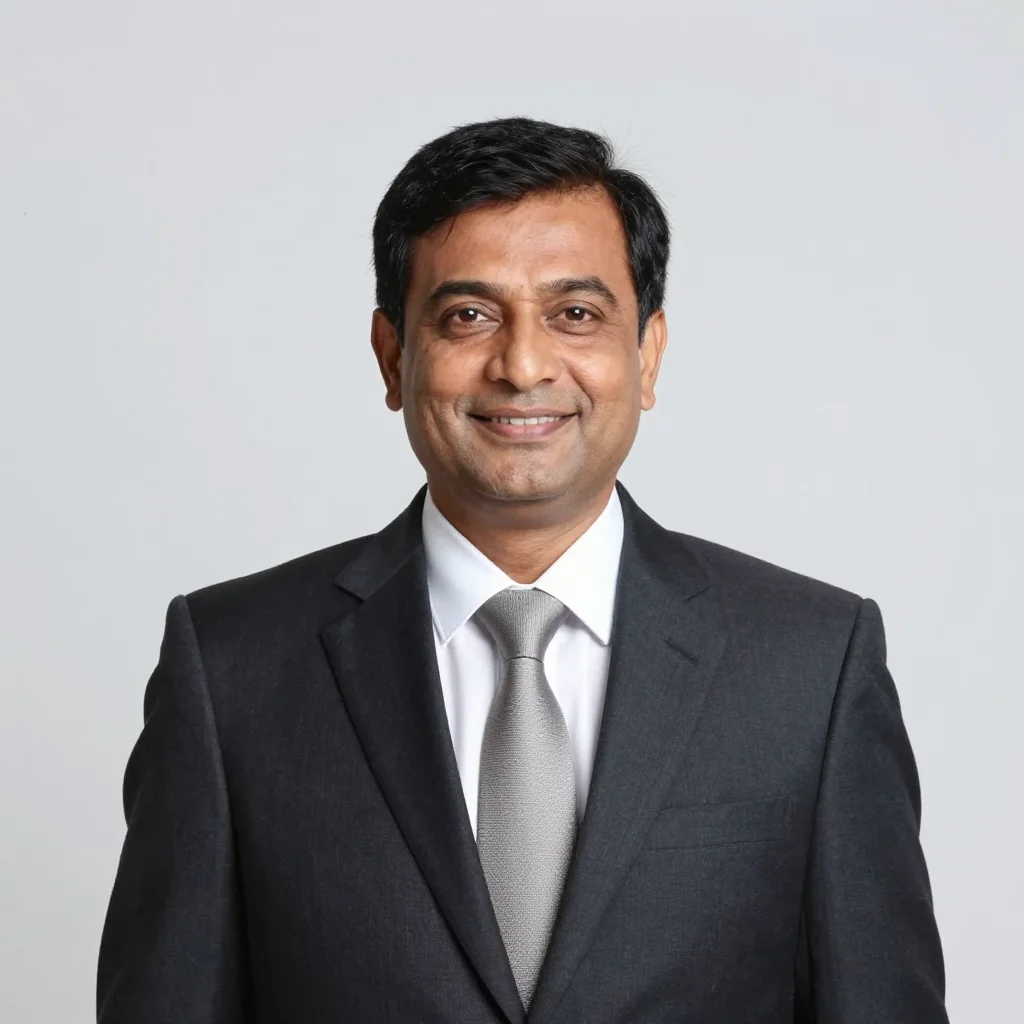
The future of fifty-over cricket continues to dominate administrative discussions across the global game. As the International Cricket Council (ICC) and member boards examine how to keep the format relevant for fans, the financial implications of altering bilateral schedules have come to the forefront. Speaking in Darwin during Australia’s first Test against Bangladesh, Cricket Australia chief executive Todd Greenberg addressed this dilemma directly, weighing the necessity for competitive jeopardy against the critical role one-day internationals play in broadcast contracts.
Greenberg expressed support for creating more stakes in bilateral series but underscored the potential financial hazards boards face if those fixtures are reduced or eliminated from future scheduling cycles without viable replacements.
Aligning on Jeopardy but Confronting Broadcast Realities
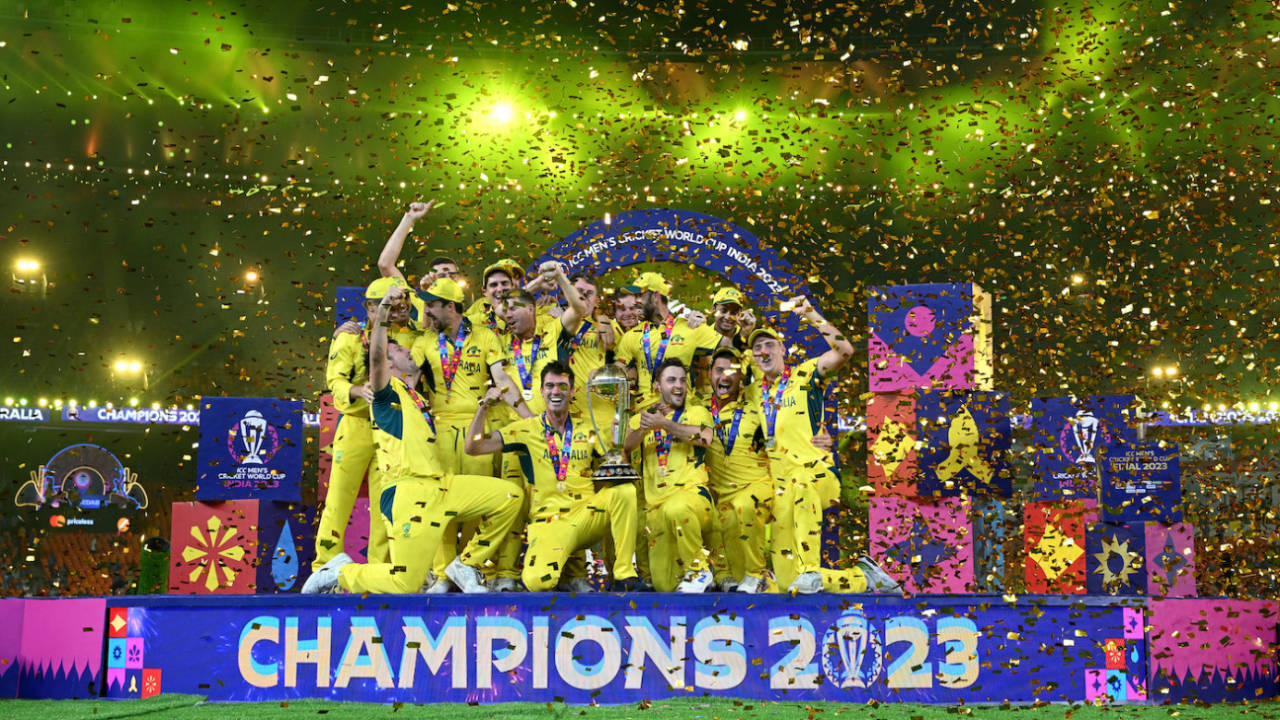
The conversation around bilateral one-day matches gained momentum following statements from ICC chief executive Sanjog Gupta, who stated that the era of randomly scheduled bilateral series must come to an end. Gupta highlighted that the format can still endure and prosper if its relevance remains inextricably linked to the ODI World Cup. Greenberg confirmed that Gupta had delivered a similar message directly to Cricket Australia staff during a recent visit to Melbourne.
While Greenberg concurred with the underlying philosophy, he noted that dismantling or dramatically shifting the current schedule is far from straightforward due to existing commercial obligations.
Key points highlighted by the Cricket Australia chief include:
- Need for Genuine Stakes: Matches must carry tangible context and jeopardy rather than feeling isolated or arbitrary.
- Broadcast Value: Bilateral ODIs represent a substantial portion of current television and digital broadcast agreements for major cricket boards.
- Revenue Replacement: If matches are reduced or shifted, cricket administrators must determine what replaces them and how lost revenues will be recovered.
- Long-Term Strategy: Finding the balance between short-term commercial returns and long-term sporting sustainability remains a complex challenge.
Greenberg noted that while the principle of making every match matter is undeniable, solving the commercial equation requires careful navigation by governing bodies worldwide.
FTP Planning for 2028 and Beyond
Greenberg is actively involved in these structural discussions as part of the ICC working group responsible for finalizing the Future Tours Programme (FTP) for the 2028–31 cycle. The working committee is also developing preliminary frameworks for what the 2032–35 FTP calendar might look like.
With bilateral scheduling under scrutiny, these working group sessions will play a decisive role in determining how many 50-over matches are retained, how they tie into global tournaments, and how national boards protect their financial bottom lines while meeting modern entertainment demands.
Advocating for Expanded World Cup Squads
Beyond the wider schedule, Greenberg addressed immediate tournament logistics regarding the upcoming ODI World Cup. He confirmed that Cricket Australia has formally backed national men’s head coach Andrew McDonald in advocating for larger tournament squad sizes following recent changes to the competition format.
Greenberg indicated that CA has carried McDonald’s position into discussions with the ICC, noting that several other participating nations share the same view regarding squad depth and player workload management. The matter has been formally placed on the governing body’s agenda for further consideration.
World Cup Strategy and Associate Participation
The discussion also touched on tournament composition and the inclusion of Associate nations. Addressing past criticism surrounding format adjustments and Associate participation in the 50-over flagship event, Greenberg explained Cricket Australia’s stance on tournament structure.
While CA did not push strongly for more Associate teams in the ODI World Cup, Greenberg indicated that the governing body aligns with the overarching strategy of maintaining a streamlined, highly competitive ODI World Cup while utilizing the expanded T20 World Cup as the primary global pathway for emerging cricketing nations. He acknowledged the dissatisfaction felt by some Associate members but framed the strategy as an effort to maximize commercial returns for global events while establishing clear tournament identities across formats.