Contents
A Disparity in Leadership Development
As the cricket world turns its attention to the upcoming edition of The Hundred, a glaring statistical imbalance has emerged within the women’s competition. With the official team rosters and leadership appointments confirmed, it has become evident that England players overlooked as Women’s Hundred captains are named, leaving only three English women in charge of the eight competing franchises.
This development serves as a stark contrast to the men’s version of the tournament, where domestic talent dominates the leadership hierarchy. In the men’s game, seven out of the eight franchises are expected to be captained by English players, highlighting a profound difference in the philosophy regarding captaincy development between the two formats.
The Landscape of Women’s Leadership
For the 2026 season, the English contingent tasked with leading their respective teams are Charlie Dean (London Spirit), Dani Gibson (Sunrisers Leeds), and Hollie Armitage (MI London). While these three individuals are undoubtedly capable, the reliance on overseas stars for the remaining five franchises raises questions about the long-term strategy for nurturing domestic leadership.
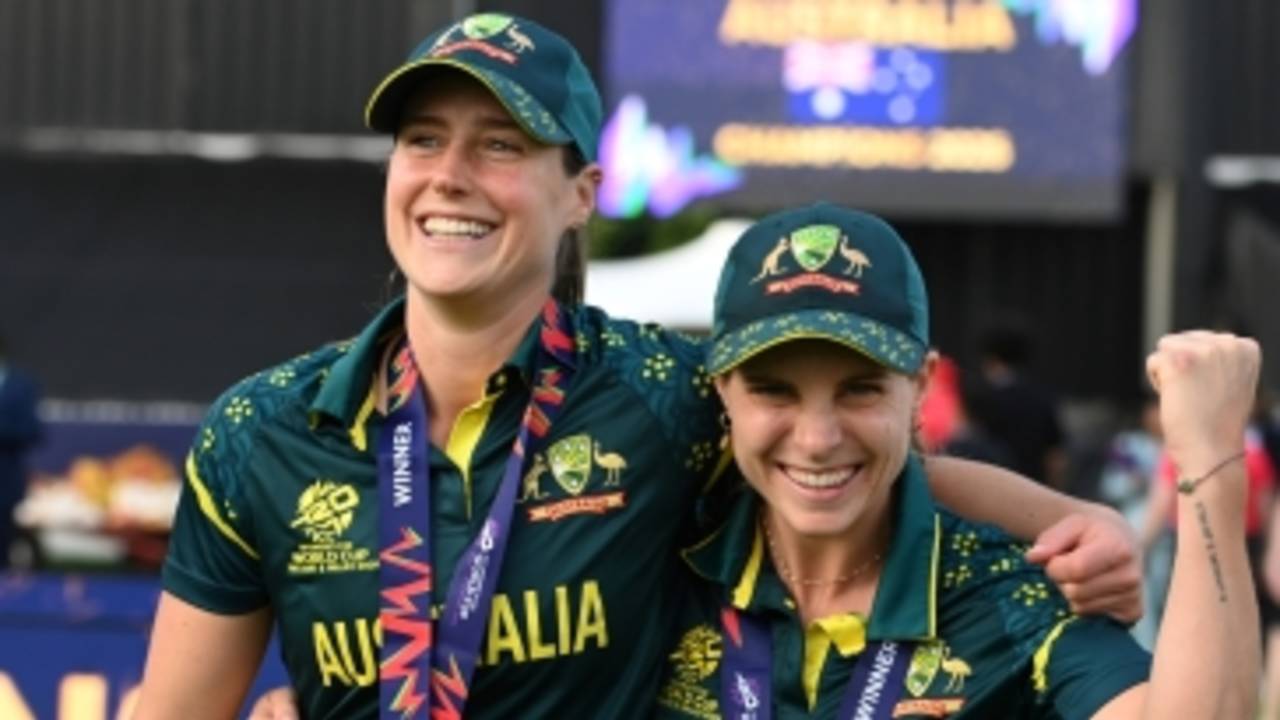
The overseas influence is significant, with four Australian stars—Meg Lanning, Ellyse Perry, Sophie Molineux, and Ash Gardner—alongside New Zealand’s Sophie Devine, taking the helm of the other teams. This reliance on international experience, while beneficial for the tactical quality of the league, often comes at the expense of giving emerging English talent the high-pressure environment required to grow as leaders.
The Challenge of Succession Planning
The urgency for developing new leadership is underscored by the current state of the England women’s national team. Following the 2024-25 Ashes series, Charlotte Edwards took the helm as coach, identifying the cultivation of new leaders as a primary objective. With the legendary Heather Knight reaching the twilight of her illustrious career, the search for a successor to the established Nat Sciver-Brunt has become a focal point of English cricket strategy.
Charlie Dean has been a beacon of hope in this regard. Having stepped into the role during Sciver-Brunt’s injury absences, she has proven her tactical acumen on the international stage. However, for every success story like Dean, there are other established England regulars—such as Sophia Dunkley, Alice Capsey, and Freya Kemp—who have been consistently overlooked by franchise management for the top job.
Comparing the Men’s and Women’s Structures
The contrast with the men’s competition is difficult to ignore. In the men’s Hundred, South Africa’s Aiden Markram stands as the sole projected overseas captain. This provides a clear pathway for players like Jacob Bethell, Sam Curran, and Phil Salt to hone their leadership skills, which may prove vital should they be called upon to captain the England T20I side in the future.
The men’s franchise structure is currently treating the tournament as a grooming ground for international leadership. Meanwhile, the women’s competition appears to prioritize immediate star power over the slow-burn process of developing domestic captains. While some may argue that the quality of cricket is bolstered by international captains, the opportunity cost for English cricket is undeniable.
Logistical Hurdles Ahead
Beyond the captaincy debate, the 2026 season faces a grueling schedule. Both MI London and Sunrisers Leeds are preparing for a chaotic start, with the first men’s matches slated for July 21. This date sits precariously close to T20 Blast Finals Day and the conclusion of Major League Cricket in the USA. Similarly, the women’s teams face a tight three-day turnaround from their own T20 Blast finals to the start of The Hundred, leaving little room for training or tactical integration.
The Full List of 2026 Captains
As the tournament approaches, the following leadership appointments have been confirmed:
- Birmingham Phoenix: Jacob Bethell, Ellyse Perry
- London Spirit: Liam Livingstone, Charlie Dean
- Manchester Super Giants: Aiden Markram (tbc), Meg Lanning
- MI London: Sam Curran, Hollie Armitage
- Southern Brave: Chris Jordan, Sophie Molineux
- Sunrisers Leeds: Zak Crawley, Dani Gibson
- Trent Rockets: Sam Billings, Ash Gardner
- Welsh Fire: Phil Salt, Sophie Devine
Ultimately, while the 2026 Hundred promises world-class action, the conversation surrounding the lack of English women in captaincy roles is likely to persist. As the game continues to grow, the balance between importing global talent and fostering domestic leadership will remain a critical metric for the success of English cricket’s long-term vision.