
Contents
An Even Contest on the Cards
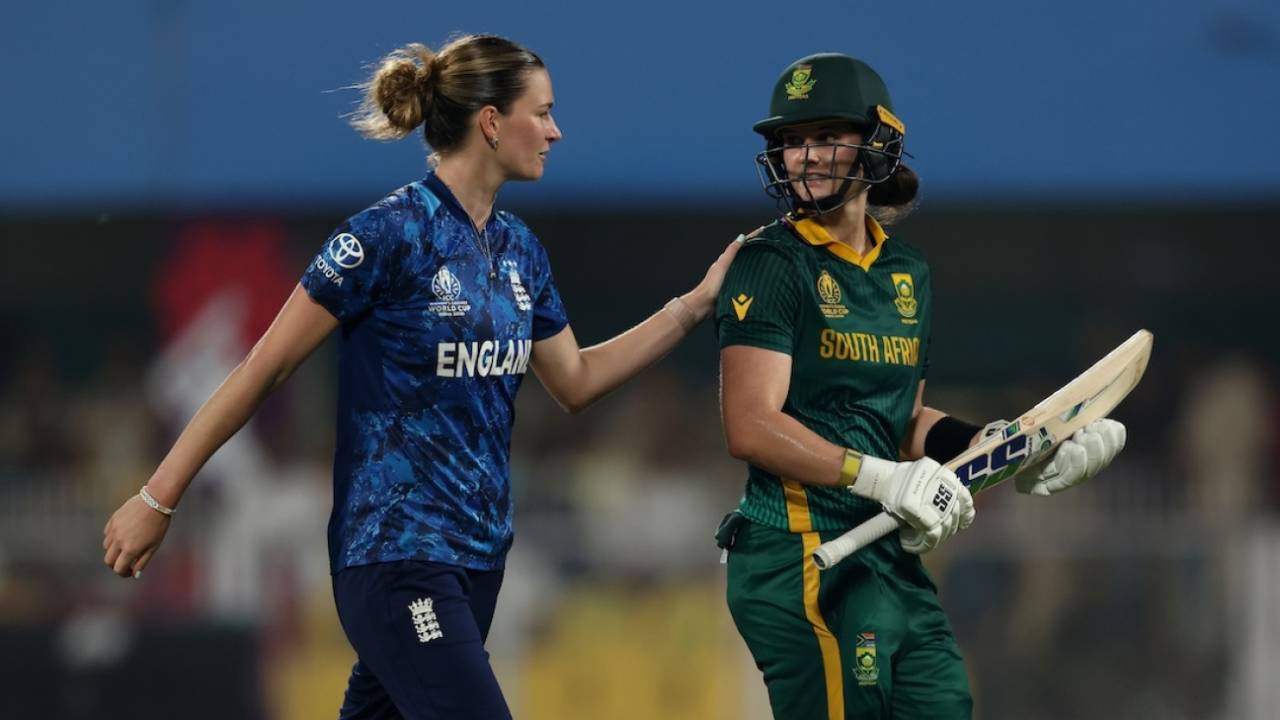
Following a somewhat lopsided opening semi-final between Australia and the West Indies, the second showdown of the Women’s T20 World Cup promises a much closer affair. England, playing on home soil and enjoying an unbeaten run throughout the group stages, enter the match as the clear favorites. However, the prospect of facing a battle-hardened South African side means complacency is not an option.
England’s dominance in the group phase has been characterized by depth and adaptability. Their top three batters have been particularly destructive, maintaining a run rate of 8.8—the highest in the tournament. Much of this momentum is credited to the blistering form of Danni Wyatt-Hodge. The return of captain Nat Sciver-Brunt from a calf injury provides a significant boost to the squad, reinforcing a lineup that has looked cohesive and under control in every match played thus far.
The South African Challenge
South Africa enters this fixture after a solid, if not entirely fluid, group stage campaign. While they have secured four wins from five, their performance has lacked the consistent spark displayed by their English counterparts. Nevertheless, they possess a lineup brimming with individual talent, including Laura Wolvaardt, Marizanne Kapp, Tazmin Brits, and Nadine de Klerk.
The defining narrative of the South African side is their pace bowling. Their attack, spearheaded by Kapp, Shabnim Ismail, and Ayabonga Khaka, has been the backbone of their campaign. With 25 wickets between them at an average of 18.84, this unit is statistically the most potent in the competition, second only to the Australian attack. The direct collision between England’s aggressive top-order and this experienced pace unit will be the defining tactical struggle of the match.
Knockout Specialists
South Africa is no stranger to the pressure of knockout cricket, having featured in the finals of the last two major tournaments. Notably, they eliminated England in the semi-finals of both the 2023 T20 World Cup and the previous year’s ODI World Cup. In those encounters, the opening partnership of Wolvaardt and Brits proved to be the difference-maker. Whether they can replicate that success against England’s current form remains the biggest question for the visitors.
Players in the Spotlight
Captain Laura Wolvaardt has yet to find her rhythmic best in this tournament. Despite her pedigree as one of the world’s finest, her recent scores have been inconsistent. Given her history of performing in high-stakes games, a return to form during the semi-final would be the perfect time for the South African skipper to step up.
Conversely, Sophie Ecclestone continues to be the silent architect of England’s bowling dominance. Her record in T20 World Cups is staggering, with 37 wickets in 23 innings at an economy rate of just 4.7. Her ability to stifle scoring rates during the middle overs is exactly the kind of pressure that forces batters into rash decisions, and she will be the primary threat South Africa needs to neutralize.
Conditions and Strategy
The Oval has favored the chasing side throughout the tournament, offering good surfaces for batting. With temperate weather and clear skies expected, the conditions should remain consistent throughout the day. Strategically, South Africa may look to exploit England’s potential vulnerability to left-arm spin, particularly regarding Wyatt-Hodge, who has struggled against that specific bowling profile since 2025. Introducing the likes of Nonkululeko Mlaba or Chloe Tryon early could be a calculated risk to disrupt England’s rhythm.
Final Outlook
The statistics favor England, who have won 23 of the 28 T20Is contested between the two nations. However, World Cup history suggests that South Africa is more than capable of causing an upset. As both teams finalize their preparations, the focus remains on execution. England’s ability to maintain their high scoring rate against the raw pace of Ismail and Kapp will likely decide if they can progress to a final on home soil or if South Africa’s resilient pace attack will once again prove to be their undoing.