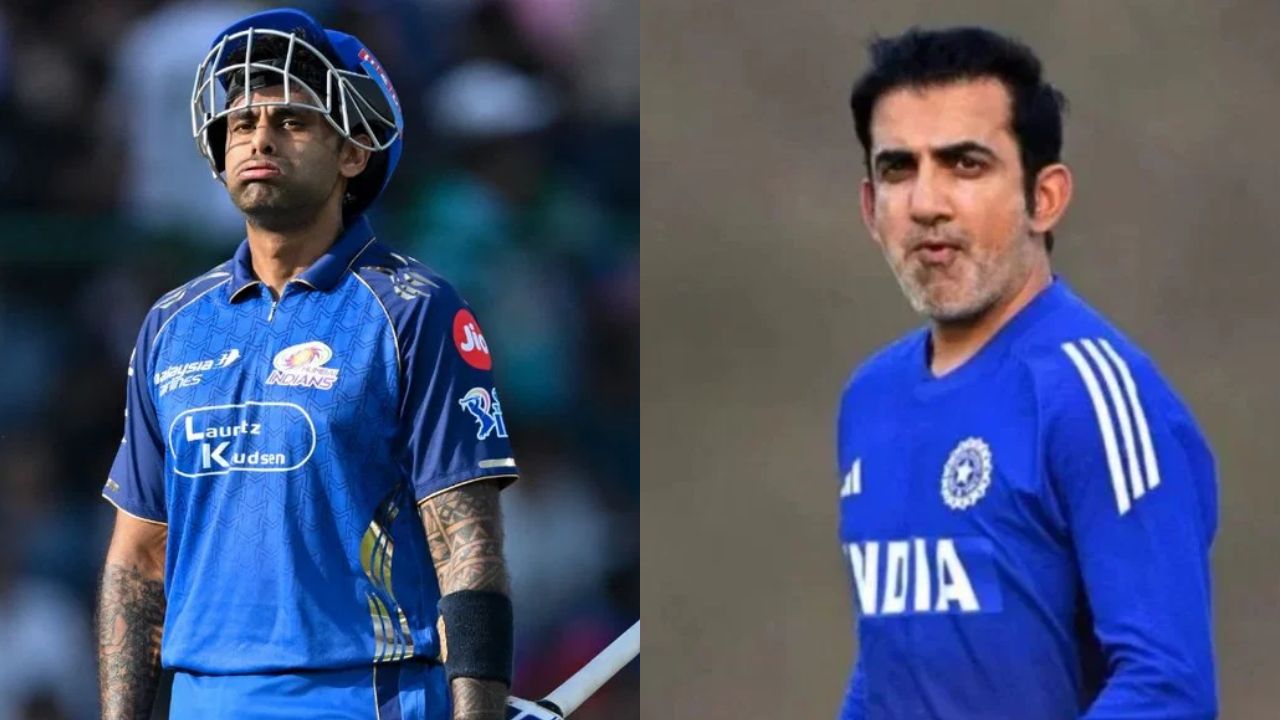
Gautam Gambhir Weighs Options on Suryakumar Yadav’s Future as India T20I Captain

Contents
The Uncertain Future of India’s T20 Leadership
In a development that has sent ripples through the Indian cricketing fraternity, the captaincy of Suryakumar Yadav for the national T20I side has come under intense scrutiny. As the team looks toward future challenges, including the 2028 Los Angeles Olympics and the World Cup, the national selection committee and head coach Gautam Gambhir are reportedly evaluating whether to continue with the current leadership model.
While Suryakumar Yadav has been a central figure in India’s dressing room culture, recent form has cast a long shadow over his position in the playing XI. The deliberation is no longer just about captaincy; it is about whether his current output warrants a spot in the side at all.
A Concerning Dip in Form
The statistical decline of Suryakumar Yadav is difficult to ignore. Since the Asia Cup 2025, where he averaged a mere 18 across six matches, the once-prolific batter has struggled to find his rhythm. This inconsistency spilled over into the bilateral series against Australia, where he managed only 84 runs in four games.
The T20 World Cup 2026 further highlighted his struggles, with the batter accumulating 242 runs across nine innings at an average of 30.25 and a strike rate of 136.72. These numbers, while respectable for many, fall well below the high standards set by the man once dubbed ‘Mr. 360’. His performance in the 2026 IPL season further compounded these concerns, where he managed 210 runs in 12 matches at an average of 17.50, failing to provide the explosive starts that define his game.
The Selector’s Dilemma
Reports from the BCCI suggest that there is significant internal pressure to move on from the current leadership. According to sources, members of the selection committee have expressed reservations regarding his continued inclusion, citing a lack of technical adjustment in his batting. The inability to counter simple, hard-length deliveries has left analysts and selectors worried about his longevity in the international arena.
“The selectors had hoped the IPL would act as a catalyst for a return to form, much like his previous 700-run season. Unfortunately, there has been no technical course correction. Selectors do not see him as part of the plans for the Los Angeles 2028 Olympics,” a senior BCCI source noted.
The Role of Gautam Gambhir
The final decision rests heavily on the shoulders of head coach Gautam Gambhir. Their long-standing relationship has been a pillar of the team’s success in recent years, contributing to the winning of multiple ICC and ACC trophies. Gambhir’s loyalty to the players who have served the team well is well-documented, yet the coach is also known for prioritizing the broader needs of Indian cricket over individual sentiment.
The Search for Successors
Should the leadership change occur, the transition seems to be already mapped out in the background. Names such as Shreyas Iyer and the rising talent Tilak Varma have been identified as potential successors. The strategic decision to appoint Tilak Varma as captain for the upcoming tri-nation ‘A’ series is seen by many as a calculated move to test his leadership credentials in a competitive environment.
As Indian cricket enters a period of transition, the focus shifts to how the management balances the need for results with the emotional bonds built within the squad. Whether the decision to retain or replace Suryakumar Yadav is taken immediately or phased out over time, the message from the board is clear: the future is the priority. The coming months will be pivotal in determining the identity of the team as they look toward the next major global tournaments on the calendar.
Ultimately, the era of Suryakumar Yadav at the helm may be nearing its conclusion, but his contribution to the team’s evolution remains a significant chapter in the history of Indian T20 cricket. Whether he can fight his way back into form or hand over the baton to the next generation, the cricket world waits with bated breath for the final verdict from the team management.