
Contents
A New Chapter for ICC Governance
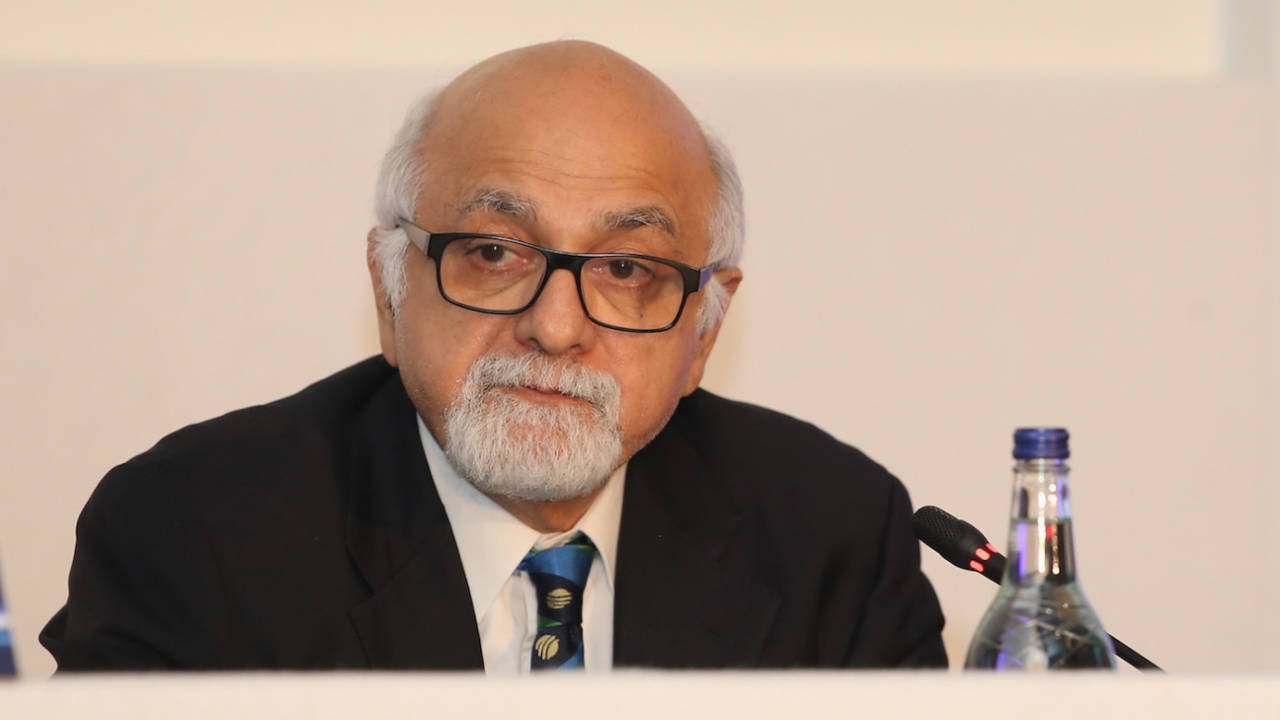
The landscape of the International Cricket Council (ICC) Board has undergone a major transformation this week. Imran Khwaja’s role as Associate director on ICC board ends after nearly two decades of influential service. The veteran administrator from Singapore, who first joined the board in 2008, failed to secure enough votes in the recent elections held in Edinburgh, marking the conclusion of a long and storied tenure in international cricket administration.
The Election Dynamics
The position of Associate director is critical to the 16-person ICC Board, with three specific spots reserved for these representatives. Every two years, these posts are contested during the ICC annual conference. This cycle proved particularly intense, with five candidates vying for the three available seats. While incumbent directors were looking to retain their positions, new challengers brought fresh energy to the voting process.
Of the 43 eligible votes cast by Associate Members, the results were as follows:
- Gurumurthy Palani (France Cricket): 35 votes
- Mubashshir Usmani (Emirates Cricket Board): 26 votes
- Rudie van Vuuren (Cricket Namibia): 26 votes
- Imran Khwaja: 23 votes
- Mahinda Vallipuram (Malaysia Cricket Association): 19 votes
As a result of the voting, Khwaja and Vallipuram will vacate their seats. Furthermore, because the ICC constitution dictates that only a current director can serve as deputy chair, Khwaja will also step down from that leadership position following the conclusion of this week’s annual general meeting.
Legacy of a Diplomat
For many within the cricketing fraternity, Khwaja’s departure comes as a surprise given his deep entrenchment in the organization’s machinery. Beyond his tenure as a director, Khwaja was a pivotal figure in navigating the complex geopolitical landscape of the sport. A lawyer by trade with a specialty in dispute resolution, he frequently served as an essential mediator.
His ability to diffuse high-stakes tension was perhaps best demonstrated in the lead-up to major global tournaments. Khwaja was instrumental in brokering the hybrid model that allowed cricket to proceed during the stand-offs between the BCCI and the PCB regarding the 2025 Champions Trophy and the 2026 men’s T20 World Cup. His diplomatic efforts with the Pakistan government were widely credited with preventing a boycott and ensuring that crucial matches between India and Pakistan could take place.
Addressing Global Challenges
Khwaja’s influence extended into some of the most difficult ethical and political challenges facing the ICC. He led the task force dedicated to the issue of Afghan women’s cricketers, maintaining ongoing dialogues with both the Afghanistan Cricket Board and the country’s ruling Taliban government. His commitment to these sensitive negotiations highlighted a career defined by a willingness to engage in the most challenging aspects of sports administration.
ICC Chairman Jay Shah acknowledged this contribution in an official statement, noting: “I would also like to express my sincere appreciation to Imran Khwaja and Mahinda Vallipuram for their dedication and service to Associate cricket. Their contribution to the ICC and to the development of the global game over many years has been significant and deeply valued.”
Looking Ahead
As the ICC welcomes Gurumurthy Palani, Mubashshir Usmani, and Dr. Rudie van Vuuren to their new roles as Associate Member Directors, the organization faces a period of transition. While the departure of a figure as experienced as Khwaja marks the end of an era, the new board members are now tasked with continuing the growth and stability of the Associate cricket membership, ensuring that the sport continues to thrive on a global scale.