
Contents
Strategic Shifts Amidst Weather Concerns
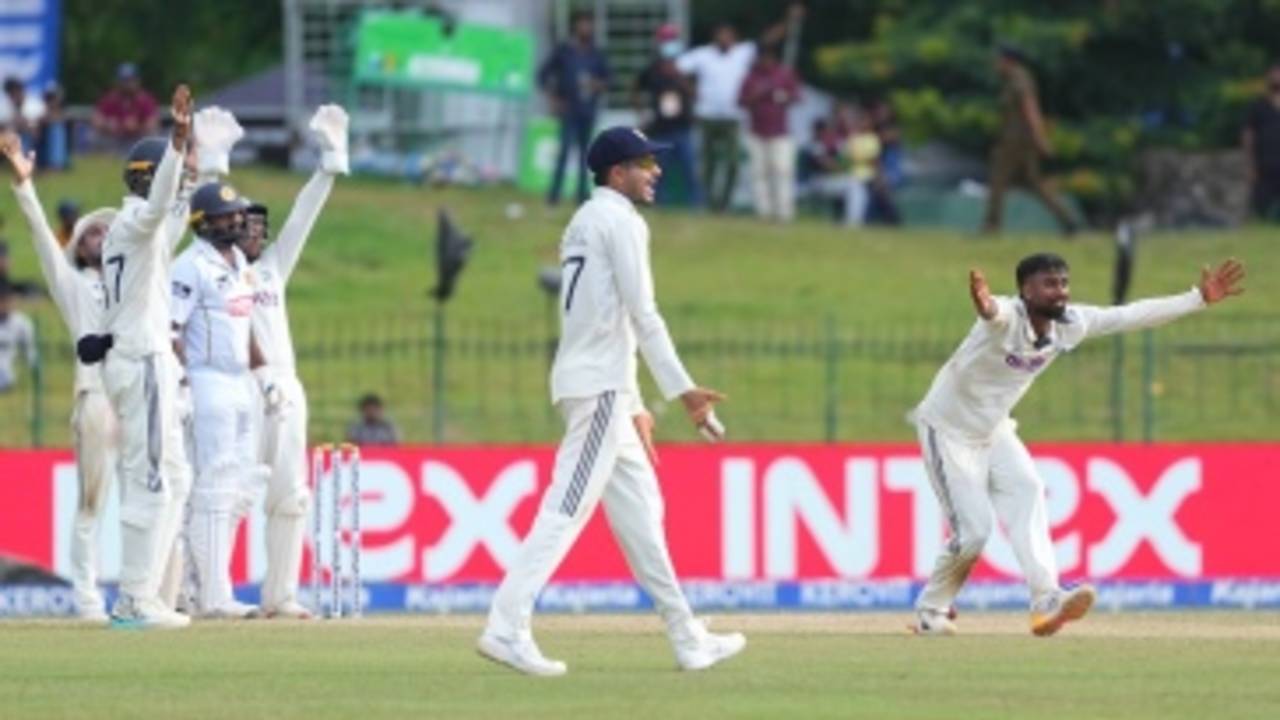
In the high-stakes environment of the second Test in Colombo, tactical flexibility has become the order of the day for the Indian cricket team. With only 222 overs bowled across the first three days due to interrupted play, the clock is effectively working against both sides. India is contemplating a move that defies recent convention: enforcing the follow-on. As the match enters a crucial phase, Morkel doesn’t rule out India enforcing follow-on as rain looms in Colombo, highlighting that the primary objective is to secure a result before the elements intervene.
The Battle Against Time
Sri Lanka’s resistance has been spearheaded by Sonal Dinusha, who remains unbeaten on 85. With a ninth-wicket partnership causing frustration for the Indian bowlers, the game remains delicately poised. While teams typically prefer to bat a second time to allow the pitch to deteriorate and build a mammoth lead, the unique constraints of this Colombo Test have forced a re-evaluation of standard protocol.
Morne Morkel, speaking on the team’s mindset, emphasized the necessity of boldness. “That will be the first prize… that we can get those two wickets tomorrow early,” Morkel noted. “I know it’s a cliche thing, but with the weather around and the time it takes to manage the covers, we want to try and get as many overs as possible at the Sri Lankans. If we can get those wickets, we want to be brave, put them in, and bowl well.”
Reflecting on Past Lessons
The history of enforcing the follow-on is a complex one for India. Memories of a grueling encounter in Delhi, where the bowlers toiled for nearly 120 overs on a lifeless pitch, serve as a cautionary tale. However, the current situation in Colombo presents a different set of challenges. The pitch, while showing signs of wear, has remained relatively batting-friendly, making the prospect of dismissing the hosts twice within a limited window a daunting task.
Morkel acknowledged the difficulty of the conditions, noting the physical toll on the players. “It is hard work out there. We sometimes get sucked into the expectation that because the surface looks dry, we should bowl teams out for under 200. But that isn’t the reality here. The heat is intense, and the ball loses its hardness quickly. These are the days where Test cricket truly tests the character of a side.”
Developing Partnerships and Resilience
For the Indian bowling attack, the focus remains on discipline. Morkel is keen to see his bowlers maintain pressure, even when wickets are not falling at regular intervals. “We talk constantly about bowling in partnerships and creating pressure. When a batting pair is set, the key is to define that breakthrough and then capitalize on the momentum that follows. That is how a bowling unit grows,” he added.
The Status of Rishabh Pant
Beyond the tactical considerations of the pitch and weather, India is also managing the fitness of key personnel. Rishabh Pant, who suffered a shoulder injury after taking several blows while batting, remains a focal point for the team’s management. His presence behind the stumps is highly valued, not just for his glove work, but for his tactical acumen.
“Rishabh was quite restricted in his movement this morning,” Morkel explained. “The medical team is monitoring him closely. We are hopeful he will be back behind the stumps, as his reading of the game is exceptional and adds a vital layer of intelligence to our defensive setup.”
As the match approaches its climax, India finds itself at a crossroads. Whether they choose the conventional route or decide to force the issue through an early follow-on, the decision will be guided by one singular goal: overcoming the weather to emerge victorious in a challenging overseas environment.