IPL 2026: Arun Dhumal Addresses Social Media Restrictions and Player Conduct

Contents
The Evolving Landscape of IPL Discipline
The 2026 season of the Indian Premier League (IPL) has been defined as much by its off-field headlines as by the action on the pitch. With the rise of influencer culture and the pervasive nature of digital connectivity, the Board of Control for Cricket in India (BCCI) has found itself navigating complex challenges regarding player conduct. IPL Governing Council Chairman Arun Dhumal recently shed light on the board’s position, specifically concerning the usage of social media and the enforcement of professional standards among franchises.
The BCCI Advisory: A Call to Order
Midway through the 2026 tournament, the BCCI issued a comprehensive seven-page advisory to all franchises. This document served as a stern reminder of the expectations placed upon professional cricketers. The advisory covered various operational protocols, ranging from security concerns like honey-trapping to restrictions on the presence of unauthorized guests in team hotels. Perhaps most notably, the board sought to curb the growing trend of ‘reel culture’ and frequent vlogging, which has increasingly blurred the lines between private downtime and professional team environments.
These directives were not issued in a vacuum. Recent incidents had drawn the ire of cricket administrators, including instances where team officials were spotted using mobile devices in restricted areas like the dugout. Furthermore, high-profile controversies—such as Rajasthan Royals skipper Riyan Parag being observed with an e-cigarette in the dressing room—highlighted an urgent need for the board to reinforce existing codes of conduct.
Arun Dhumal’s Perspective on Integrity
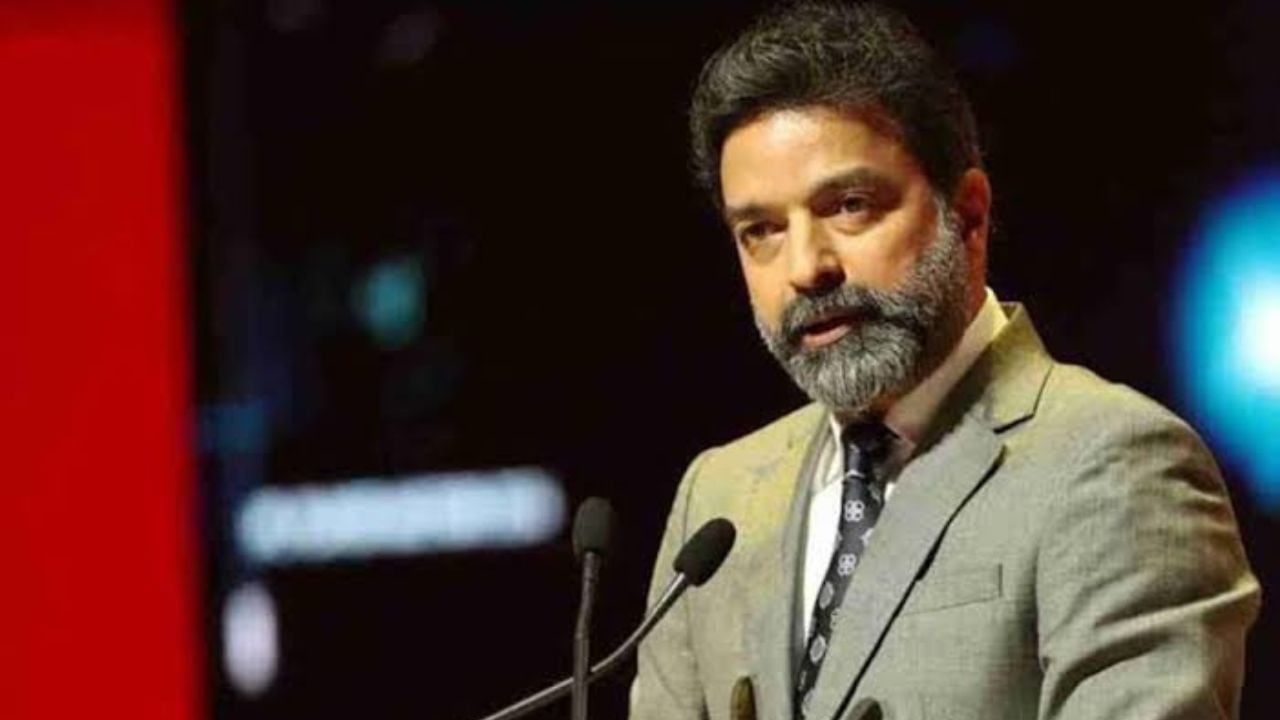
Speaking to the media at the HPCA Stadium in Dharamsala, Arun Dhumal emphasized that the goal is not to police the players’ personal lives, but rather to protect the sanctity of the league. Addressing the influence of social media, Dhumal acknowledged the difficulty in verifying information in the digital age, urging stakeholders to take sensationalized reports with a degree of skepticism.
“Most of the things that happen on social media, one cannot always be sure about the authenticity,” Dhumal stated. “Whatever we need to do in terms of keeping the integrity of the game intact, we do our level best.”
Regarding the new advisory, Dhumal clarified that it should be viewed as a reinforcement of existing standards rather than a brand-new policy. The collective responsibility of the BCCI and the franchises is to ensure that the tournament remains a premier product, free from distractions that could undermine the quality of play.
The ‘Anti-Social’ Nature of Social Media
Perhaps the most candid part of Dhumal’s commentary involved his personal philosophy on digital interaction. Expressing a clear preference for human connection over virtual validation, he described social media as a potentially damaging influence on modern social structures.
“Social media, I would say, is the most anti-social thing,” he remarked. “I do believe there has to be a lot of socialization as players and as individuals, but unfortunately, I deem it as the most anti-social thing.”
When questioned about the possibility of an outright ban on social media usage for players during the IPL, Dhumal remained cautious, suggesting that regulation should be organic rather than forced. He believes that as players mature, they will recognize that genuine human relationships and core values hold more value than digital engagement.
Moving Forward: A Collective Responsibility
The controversies surrounding teams like the Punjab Kings—including internal friction and public scrutiny regarding player behavior—serve as a microcosm of the challenges facing the league. Dhumal remains confident that the franchises are well aware of their responsibilities. The goal remains to foster an environment where the players are focused on their craft, ensuring that the spectacle of the IPL remains synonymous with high-quality cricket and professional excellence.
As the 2026 season progresses, the focus will undoubtedly shift back to the cricket, but the BCCI’s recent stance signals a new, more disciplined era for the league. By balancing the need for player freedom with the imperative to maintain the sport’s reputation, the board is making it clear that the integrity of the IPL remains its most valuable asset.