IPL 2026 Final Behind Closed Doors? Potential Crisis Explained

Contents
The Future of IPL 2026: A Crisis of Logistics and Energy
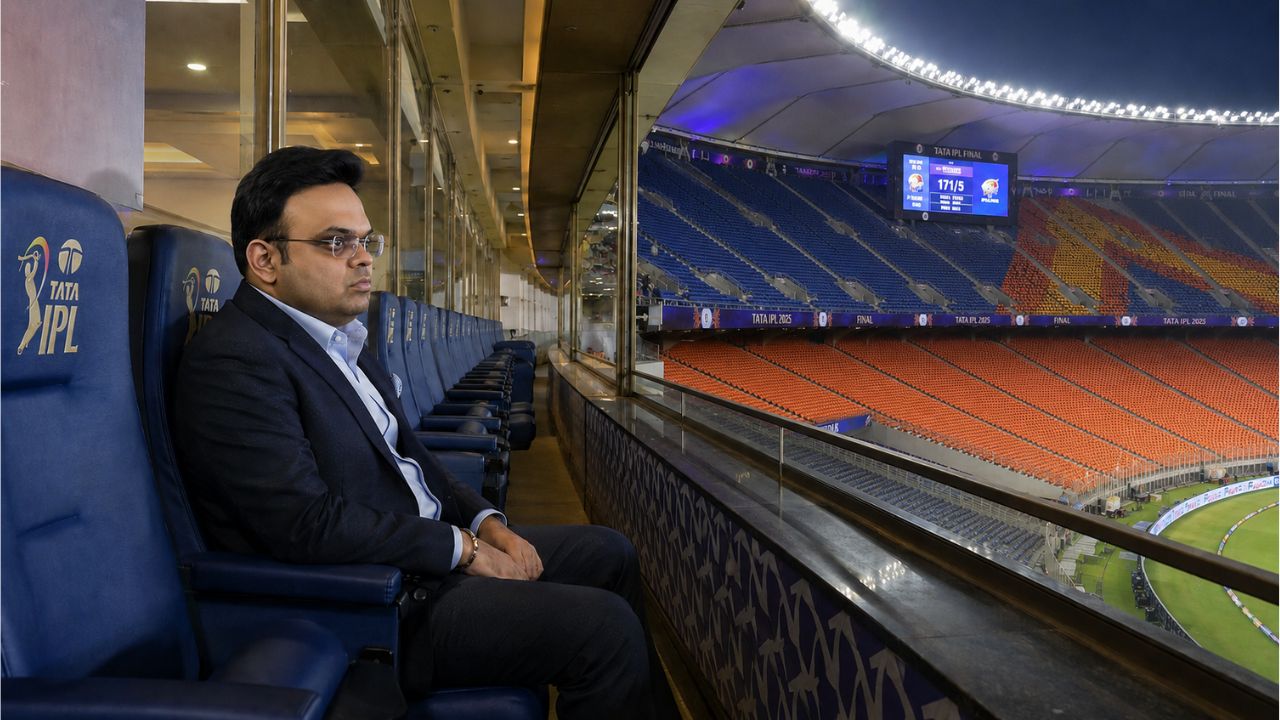
The Indian Premier League (IPL) stands as a monumental pillar of global cricket, and the 2026 edition has already provided fans with high-octane action. However, as the tournament approaches its business end, dark clouds have gathered over the schedule. With the final set to take place at the massive Narendra Modi Stadium in Ahmedabad, recent reports indicate that the BCCI may be forced to hold the closing matches behind closed doors due to emerging geopolitical and economic pressures.
This potential shift comes as the Indian government emphasizes critical energy conservation measures. The scale of the IPL, while a massive economic engine, requires extensive travel, fuel consumption, and logistical support that is currently under scrutiny by national authorities.
Official Stance: The BCCI and Government Directive
IPL Chairman Arun Dhumal has addressed the speculation surrounding these potential changes. While the league remains committed to providing fans with an uninterrupted viewing experience, the board is prepared to pivot if official government mandates are issued. Dhumal confirmed that while independent agencies have raised concerns regarding the tournament’s carbon footprint and energy usage, the BCCI has yet to receive a formal directive.
“So far, there has not been any communication to the BCCI to my knowledge. Independent agencies might have their views on certain things, but we are accountable to the Government of India. If anything comes from the government, we will look into it and certainly adhere to the directions,” Dhumal stated in a recent interview.
Energy Conservation and National Priority
The push for a revised schedule gained momentum following Prime Minister Narendra Modi’s public appeal on May 10, 2026, in Sikandarabad, where he highlighted the urgent need for fuel conservation. In response, CTI Chairman Brijesh Goyal formally urged Sports Minister Mansukh Mandaviya to reconsider the IPL’s current travel-heavy format.
Goyal emphasized that the sheer volume of air and road travel undertaken by teams since the season’s inception on March 28 has placed a significant burden on the nation’s energy reserves. He suggested that reducing travel frequency and hosting matches in empty stadiums—similar to the protocols observed during the global pandemic—could save millions of liters of fuel.
Learning from Global Precedents
The discourse surrounding a potential closed-door final draws parallels to situations seen in neighboring regions. Pakistan previously faced a similar energy crisis that forced its domestic league to restrict matches to a limited number of venues and operate without spectators to comply with national fuel-saving measures. Critics of the current IPL schedule argue that India may need to adopt a similar strategy to ensure the tournament aligns with national priorities.
What to Expect in the Coming Weeks
As the group stage reaches its conclusion, the cricket community remains in a state of uncertainty. While no official adjustments have been made to the playoff schedule, organizers are monitoring the situation closely. If the government determines that the energy savings from spectator-free matches outweigh the benefits of live crowds, the BCCI will be tasked with executing a logistical pivot on short notice.
For fans, this means the prospect of the IPL 2026 final remaining a purely broadcast-based event. While the atmosphere inside the stadium would undoubtedly be missed, the matches are expected to continue on television and streaming platforms, ensuring that the competitive integrity of the tournament remains intact. As the situation evolves, the focus remains on balancing the demands of one of the world’s most popular sporting events with the essential requirements of national conservation efforts.