Irfan Pathan disgusted with Ashish Nehra’s tactic against Vaibhav Sooryavanshi – Irfan Pathan Disgusted by GT’s Bodyline Tactic Against 15-Year-Old Vaibhav Sooryavanshi

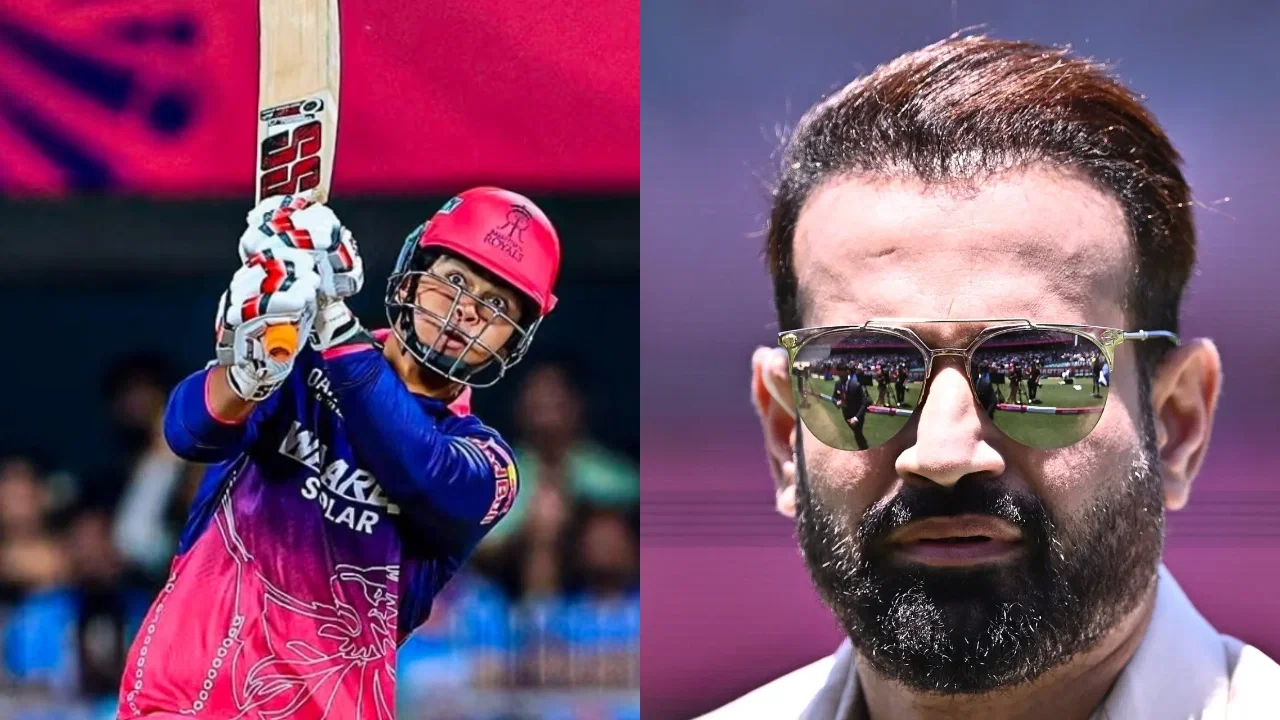
In the high-stakes arena of the Indian Premier League (IPL), strategies are constantly evolving, often pushing the boundaries of conventional cricket. A recent encounter between Gujarat Titans (GT) and Rajasthan Royals (RR) brought one such tactic under intense scrutiny, sparking a significant debate among experts and drawing sharp criticism from former Indian all-rounder Irfan Pathan. The focal point of this controversy was GT’s aggressive bowling strategy directed at RR’s prodigious 15-year-old batter, Vaibhav Sooryavanshi.
Contents
The Controversial Strategy Against a Young Phenom
The Gujarat Titans entered the match with a clear understanding of Vaibhav Sooryavanshi’s pivotal role in the Rajasthan Royals’ batting lineup. Recognizing the 15-year-old’s destructive power, whose average strike rate in the IPL 2026 season reportedly soared above 230, GT opted for an unconventional and overtly aggressive approach from the outset. Their pacers consciously chose to bowl primarily through the batter’s body line, aiming to stifle his free-flowing strokeplay and disrupt his rhythm.
This tactic, reminiscent of the infamous ‘bodyline’ strategy of cricket’s past, proved effective in its initial phase. Sooryavanshi, accustomed to dominating attacks, found himself struggling to score freely. The barrage of deliveries targeting his torso and ribs forced him into an uncharacteristic defensive posture. What would typically be a rapid acceleration of scoring became a slow grind; he required approximately 30 deliveries to reach his half-century, a stark contrast to his usual blistering pace and arguably his slowest fifty in terms of batting approach for the season.
The intensity of this bowling strategy was further highlighted in the 14th over of the innings when a bouncer from GT’s formidable pacer, Kagiso Rabada, struck Vaibhav Sooryavanshi’s helmet. Such an incident is always a cause for concern in cricket, but the worry was amplified by Vaibhav’s tender age. The sight of a young player, still in his mid-teens, facing such a physically demanding and potentially dangerous line of attack raised immediate questions about sportsmanship and player safety.
Irfan Pathan’s Emotional Outcry
The bowling tactics did not go unnoticed, particularly by former Team India all-rounder Irfan Pathan. Watching the match unfold, Pathan expressed profound discomfort with GT’s strategy. He took to social media platform ‘X’ during the game to voice his strong disapproval, stating, “Body line bowling to stop 15-year-old Vaibhav Suryavanshi doesn’t fit well with me. I know he is playing against the big boys, but the father in me doesn’t agree with that.”
Pathan’s reaction resonated with many, underscoring a critical debate: while professional cricket demands fierce competition, where do the lines of ethical play lie, especially when a minor is involved? His comment, “the father in me doesn’t agree with that,” highlighted the emotional dimension of the situation, transcending mere tactical analysis. It brought to the fore concerns about the welfare of young athletes facing such high-pressure and physically intimidating scenarios in a professional league. This sentiment reflects a broader discussion within the cricketing community about safeguarding young talent while fostering a competitive environment.
Pitch Conditions and Sooryavanshi’s Resilience
The pitch at Mullanpur undeniably played a role in GT’s strategy. The surface offered significant extra bounce during the first innings, a characteristic that GT’s pace battery—Kagiso Rabada, Mohammed Siraj, and Jason Holder—exploited to its fullest. They consistently hit lengths that generated uncomfortable lift, making it challenging for the RR batsmen.
However, despite the aggressive bowling and the challenging pitch, Vaibhav Sooryavanshi showcased remarkable resilience and maturity beyond his years. As the innings progressed, the young southpaw gradually adapted to the bounce and the relentless bodyline assault. He began to find his timing and rhythm, demonstrating an impressive ability to adjust his game. In the 15th over, when Siraj delivered another bouncer, Sooryavanshi responded with a powerful maximum, a clear signal that he was no longer intimidated and was ready to unleash his natural, aggressive style of batting.
Sooryavanshi’s adaptation was a testament to his innate talent and mental fortitude. He navigated the difficult period, absorbed the pressure, and then counter-attacked with devastating effect. His brilliant spell of batting concluded with an entertaining 96 runs off just 47 balls, an innings adorned with eight boundaries and seven towering sixes, culminating in a striking strike rate of 204.26. This surreal performance, especially after facing such an intense initial spell, was instrumental in helping Rajasthan Royals post a formidable total of 214 runs in their allotted 20 overs.
The Bowler’s Perspective: Kagiso Rabada’s Justification
Following the first innings, Kagiso Rabada, one of the primary architects of GT’s bowling plan, was questioned about their strategy against the Royals. Rabada offered a professional and tactical explanation, emphasizing the role of the pitch conditions. He stated, “It’s got a tennis ball bounce. Trying to hang as much as possible in and around that area, and then adjust accordingly. That’s always key, bowling is about line and length. The more you miss your line and length, the more you decrease your chance of getting a wicket. So that’s what I tried to do. That’s what we tried to do on this wicket. See what it offers, and then adjust accordingly and use your instincts as you go along.”
Rabada’s comments highlight the strategic thinking behind the GT approach. From a bowler’s perspective, capitalizing on pitch conditions and maintaining a disciplined line and length are fundamental to success. The ‘tennis ball bounce’ offered by the Mullanpur pitch naturally led them to target areas that would exploit this characteristic, which, in this case, involved a higher proportion of short-pitched deliveries. While acknowledging the ethical debate surrounding such tactics against a young player, Rabada’s statement reflects the competitive drive and tactical pragmatism inherent in professional cricket, where bowlers are expected to utilize every advantage the conditions present.
Match Outcome and Lingering Questions
Despite Rajasthan Royals’ impressive total of 214, largely fueled by Sooryavanshi’s heroics, their efforts ultimately went in vain. The Gujarat Titans, showcasing their own batting prowess, successfully chased down the target with relative ease, primarily due to a magnificent 104-run knock by their captain, Shubman Gill. The match thus concluded with GT emerging victorious, but the discussion around their bowling tactics against Sooryavanshi continued to reverberate.
The incident encapsulates the complex nature of modern cricket. It pits the relentless pursuit of victory against concerns for player safety, particularly when young talents are thrust into the intense pressure cooker of professional leagues. Irfan Pathan’s passionate intervention serves as a poignant reminder that beyond statistics and match results, the spirit of the game and the well-being of its participants, especially the rising stars, remain paramount. The debate over aggressive bowling tactics against young players will undoubtedly continue, prompting reflection on the balance between competitive edge and ethical responsibility in the sport.