Explained: Why KL Rahul is missing the 3rd ODI against Afghanistan – India’s Workload Management
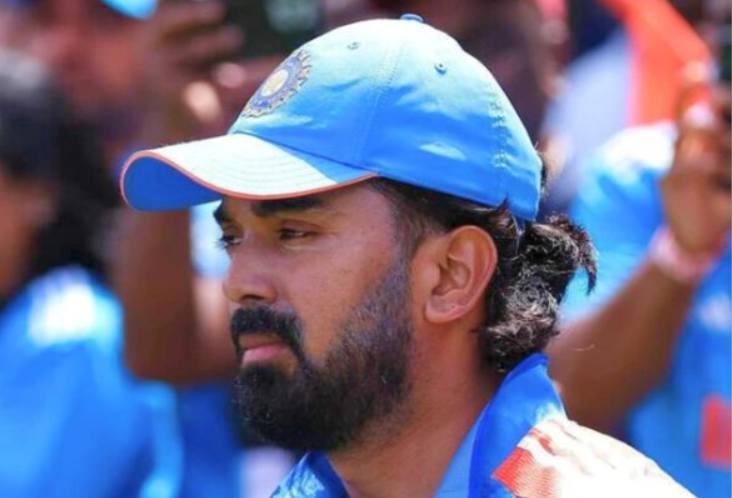
In the highly anticipated third and final One Day International against Afghanistan at the MA Chidambaram Stadium in Chennai, India’s playing XI saw several notable changes. Among these, one absence immediately drew significant attention and sparked widespread discussion among fans and pundits alike: the omission of senior wicketkeeper-batter KL Rahul. Despite being fully fit and available, Rahul did not feature in the side, leading to immediate speculation about the reasons behind this decision. Fortunately for the Indian camp and its supporters, there are no injury concerns whatsoever regarding the star player.
KL Rahul. (Credits: X.com)
Contents
Why Was KL Rahul Rested? The Workload Management Strategy
The explanation for KL Rahul’s absence is straightforward and aligns perfectly with modern cricketing philosophy: he has been rested as a crucial part of the team’s ongoing workload management plan. This strategic decision comes after India decisively sealed the three-match ODI series with convincing victories in the first two encounters held in Dharamshala and Lucknow. With the series already secured, the team management seized the opportune moment to rotate the squad, ensuring key players remain fresh and providing invaluable opportunities to those waiting on the sidelines.
In today’s demanding international cricket calendar, workload management has become an indispensable aspect of team strategy. Elite cricketers are subjected to a relentless schedule across formats, making it imperative to safeguard their physical and mental well-being. Resting senior players like Rahul, especially in a dead rubber scenario, is a proactive measure designed to prevent burnout, mitigate the risk of injury, and ensure they are in peak condition for more significant challenges ahead, including upcoming bilateral series and major ICC tournaments. This approach reflects a forward-thinking management style, prioritizing the long-term sustainability and performance of its key assets.
India’s Strategic Team Rotation
The decision to rest Rahul, alongside other changes, did not come as a complete surprise. Prior to the match, assistant coach Ryan ten Doeschate had hinted that India would indeed experiment with their combination in the final ODI. The coaching staff’s objective was clear: to offer more players valuable game time, thereby broadening the team’s talent pool and testing its bench strength, rather than relying solely on a fixed playing XI throughout the series.
Captain Shubman Gill confirmed these three changes at the toss after Afghanistan opted to bowl first. Among the inclusions was the return of all-rounder Nitish Kumar Reddy, who adds another seam-bowling option and crucial batting depth. This systematic rotation allows the management to assess emerging talents under match conditions, fostering competition within the squad and developing a robust pool of players capable of stepping up when needed. Such a strategy is vital for building a resilient team prepared for any eventuality.
KL Rahul’s Form and Indispensable Role
Despite his rest, KL Rahul remains an integral part of India’s ODI setup. His performances in the first two matches of the series were mixed. In the series opener at Dharamshala, he showcased his explosive hitting prowess, playing a quickfire unbeaten 39 runs off just 19 balls to finish the chase in emphatic style. However, the experienced batter failed to make a significant impact in Lucknow, falling for a golden duck. Even then, a solitary low score does little to diminish his overall importance and established value within India’s 50-over squad.
Over the years, Rahul has firmly established himself as one of India’s most reliable middle-order batters in the ODI format. His calm and composed approach under pressure, coupled with his ability to accelerate the scoring rate when required, makes him a versatile asset. Furthermore, his invaluable experience behind the stumps as a wicketkeeper provides the team with a crucial balance, enabling an extra specialist batter or bowler in the playing XI. His consistent performances and leadership qualities continue to make him a key player in the squad’s long-term plans.
New Faces and Bench Strength Assessment
Beyond Rahul’s rest, the alterations to the playing XI were also aimed at thoroughly assessing India’s bench strength. Nitish Kumar Reddy’s inclusion was specifically designed to strengthen India’s balance by providing an additional seam-bowling option and bolstering the lower-middle order batting. Furthermore, the hosts brought in fast bowler Prasidh Krishna and spinner Harsh Dubey, as they continued to evaluate various combinations and individual performances before embarking on tougher international assignments later in the year. These tactical shifts provide opportunities for fringe players to stake their claim and demonstrate their capabilities at the highest level.
Captain Gill’s Perspective: A Valuable Challenge
Speaking at the toss, Captain Shubman Gill acknowledged that India would have preferred to bat first in Chennai. However, he expressed belief that chasing a total would present another useful challenge for the team. With the pressure of the series result already removed, the final ODI offered India a valuable chance to evaluate fresh faces under match conditions, experiment with different strategies, and maintain their winning momentum. This strategic mindset is crucial as India prepares for a busy international season ahead, aiming to fine-tune their squad and tactics for future successes. The match thus served as a vital preparatory exercise, ensuring the team remains adaptable and competitive across all scenarios.