Contents
A Call for Strategic Leadership Transition
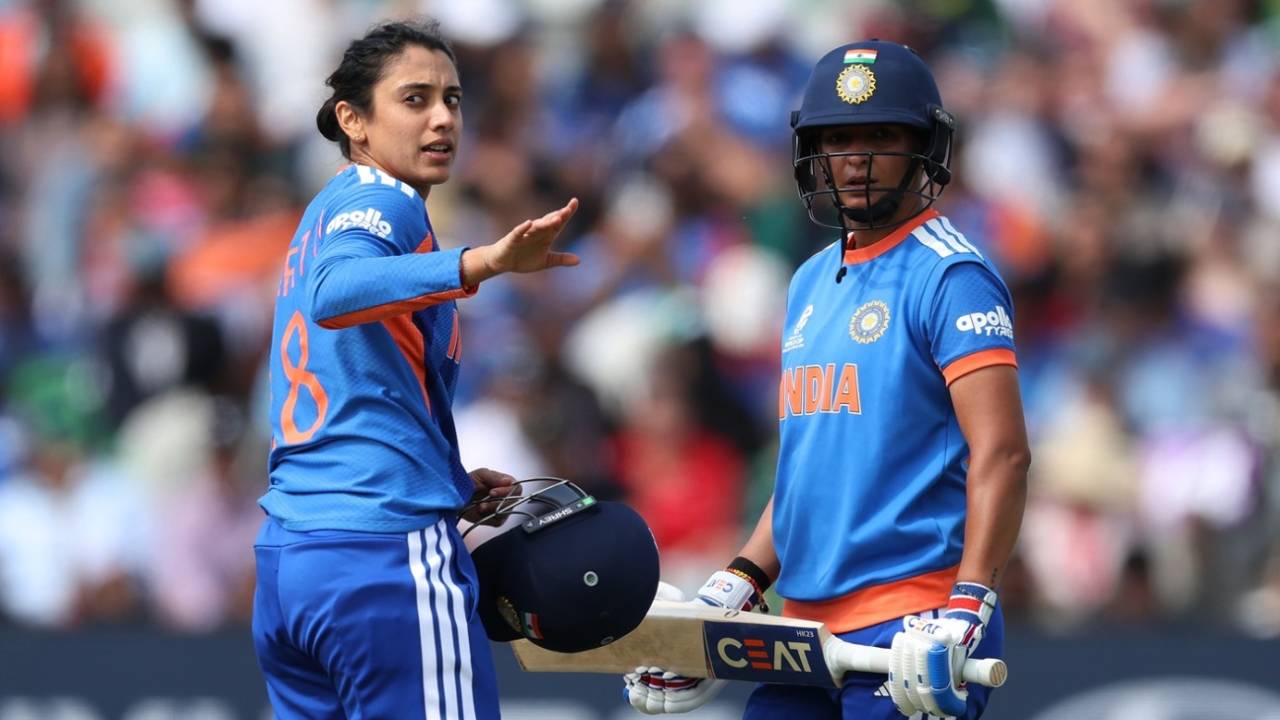
In a candid assessment of the current state of Indian women’s cricket, former captain Mithali Raj has voiced her opinion that the transition of leadership should have begun much sooner. Specifically, she noted that Mithali Raj: Mandhana should have been India captain ‘two-three years back’, a sentiment that has sparked discussions regarding the future of the national side across various formats.
Raj’s comments come at a time when the Indian team is evaluating its performance following recent tournament exits. While she emphasizes that the transition is long overdue, she maintains that it is not too late for Smriti Mandhana to take the helm of the 50-over and Test formats. According to Raj, the vast experience Mandhana has accumulated makes her the ideal candidate to stabilize the team’s longer-format proceedings.
Diversifying the Leadership Pool
The conversation regarding captaincy is not limited to a single name. Mithali Raj suggests a more nuanced approach, advocating for different leaders across different formats. While Mandhana is her pick for ODI and Test cricket, she points toward younger talent for the T20 format. Specifically, she highlighted the potential of Shafali Verma and Jemimah Rodrigues.
“Why not Shafali?” Raj remarked, citing Shafali’s success in leading the Under-19 World Cup side to a title victory in 2023. She also noted the leadership capabilities shown by Jemimah Rodrigues, who has captained the Delhi Capitals in the Women’s Premier League (WPL). The core message here is clear: the board must provide these emerging leaders with enough time to settle into their roles, much like previous generations were given the space to grow.
Addressing the Harmanpreet Kaur Era
The transition talk inevitably touches upon the tenure of Harmanpreet Kaur. Raj clarified that her call for change is not merely a reactionary response to the team’s failure to qualify for the semi-finals in recent World Cups. Instead, her critique focuses on three fundamental pillars: fitness, form, and long-term vision.
- Fitness Levels: Raj pointed out that the team’s physio has been a frequent presence on the field during Harmanpreet’s tenure, with the captain missing matches due to physical concerns.
- Performance Patterns: Raj identified a concerning pattern in major tournaments, where the captain often struggles to find form until the later stages of a tournament.
- Future Readiness: The central question is whether the current leadership fits into the strategic cycle of the next major World Cup tournaments.
The Need for a Long-Term Roadmap
Perhaps the most poignant part of Raj’s argument is the lack of a structured roadmap within the current Indian setup. She expressed frustration that for the longest time, the leadership group has been confined to just two names, leaving the team vulnerable in the event of an absence. This short-sightedness, she argues, is detrimental to the team’s growth.
Raj noted that she and Harmanpreet were given significant support and time by the BCCI, which allowed them to flourish as leaders. She questions why similar investment is not being made in talents like Shafali Verma or Niki Prasad, who have proven their leadership mettle at the youth level. By failing to groom these individuals for the senior team, the current management is operating on a series-to-series basis rather than building a sustainable legacy.
Ultimately, Mithali Raj’s perspective serves as a wake-up call for stakeholders to look beyond immediate results. By prioritizing fitness, form, and the systematic development of new captains, Indian women’s cricket can better prepare for the challenges of the next decade. The time to shift the focus from short-term fixes to a comprehensive long-term plan has never been more urgent.