Mohammad Salahuddin explains why coaches must adapt to Gen Z cricketers

Contents
The Changing Face of Modern Cricket Coaching
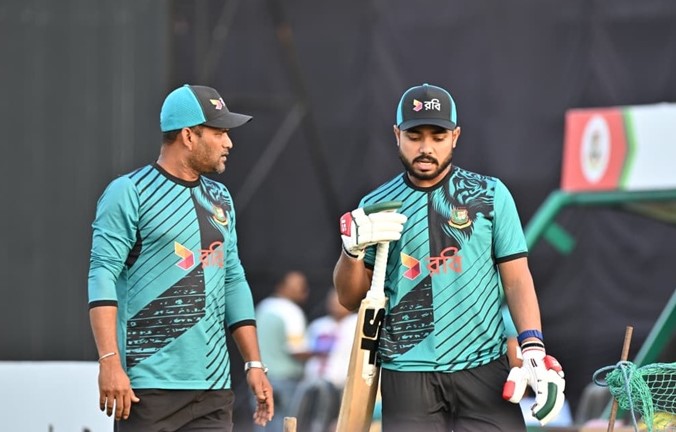
Cricket coaching in the modern era has transformed far beyond technical drills, field placements, and video analysis. Today, the mental, psychological, and generational aspects of managing players carry equal, if not greater, weight. Bangladesh senior assistant coach Mohammad Salahuddin has built a stellar reputation as one of the country’s finest coaches precisely because he recognizes these evolving dynamics. Having spent years developing players at the grassroots level before transitioning to the national team setup, Salahuddin understands that success on the field requires a deep connection off it.
Alongside his high-profile duties with the national team, Salahuddin continues to coach in premier domestic competitions, including the Bangladesh Premier League (BPL) and the Dhaka Premier League (DPL). In addition to managing senior superstars, he consistently devotes time and effort to working with young and emerging cricketers. For a mentor with such extensive experience, navigating the diverse requirements of different player age groups presents a distinct set of professional challenges and responsibilities.
Beyond Technical Expertise: Communication and Psychology
For Salahuddin, modern coaching demands much more than imparting mechanical or technical knowledge. It requires a nuanced understanding of how today’s players think, process feedback, and communicate. As cricket evolves, so too must the methods used to reach the next generation of talent. In an era dominated by rapid information flow and shifting social norms, a rigid, one-size-fits-all coaching philosophy is no longer effective.
Despite these complex challenges, Salahuddin maintains an unyielding passion for his craft. Coaching, to him, is a deeply rewarding endeavor regardless of the stage or status of the players involved. “At the end of the day, coaching is my profession,” Salahuddin noted when discussing his approach. “Whether I’m coaching young kids or experienced players, I always enjoy it.” This dedication ensures that every player under his guidance receives the same level of commitment and energetic focus.
Setting Ego Aside: Working Across Generational Divides
A crucial aspect of Salahuddin’s longevity and success in cricket coaching is his complete lack of personal ego. While some high-profile mentors prefer to work exclusively with established international stars or big-name players, Salahuddin firmly rejects this mindset. He believes that a coach’s primary duty is to help cricketers improve at every level of the game, rather than seeking prestige through elite assignments alone.
Instead of demanding that young players align with his historical perspective, Salahuddin insists that the onus of adaptation rests squarely on the shoulders of the coach. “I’ve never had the ego that I must coach only big-name players,” he explained. “But one thing is important. I’m from a different generation. I can adjust quickly with the next one or two generations. The players in the High Performance program are probably four generations younger than me. That means I have to be the one who adapts. How I adjust is a huge part of coaching.”
Adapting to Generation Z and the Digital Era
Working with Generation Z cricketers—those who have grown up in a world saturated with digital technology and smartphones—presents specific hurdles that older generations of coaches never encountered. Rather than criticizing young players for their habits or expecting them to change their inherent nature, Salahuddin emphasizes that coaches must proactively alter their own methods to build meaningful bridges.
Recognizing this reality, Salahuddin stresses the necessity of self-adaptation. “They belong to the Gen Z era, the mobile phone generation. I have to adapt first, otherwise coaching them becomes difficult. I understand that,” he admitted. By accepting that young players communicate and interact differently, Salahuddin avoids the common pitfalls of intergenerational friction, ensuring that his technical advice is received constructively.
Overcoming Distance and Managing Player Nerves
Another hurdle senior coaches face when dealing with younger players is the natural intimidating factor or reverence associated with senior status. Given Salahuddin’s esteemed reputation across Bangladesh cricket, young prospects entering the High Performance program or domestic teams often feel hesitant or overly reserved in his presence. Establishing open lines of communication requires deliberate effort from the coach to break down these invisible barriers.
Salahuddin is fully conscious of how young players perceive him and actively seeks ways to bridge the gap. “They might even be a little nervous when they see me and think, ‘Coach Salahuddin is here.’ There will always be some distance,” he observed. “My job is to find the best way to get the most out of them.” By prioritizing empathy, adaptability, and open dialogue, Salahuddin continues to prove why he remains an invaluable asset to Bangladesh cricket across all levels of the sport.