MS Dhoni Reveals Leadership Advice Given to Ruturaj Gaikwad
Contents
A New Era at the Chepauk
The mystery surrounding MS Dhoni’s future in the Indian Premier League (IPL) continues to capture the imagination of cricket fans worldwide. While the legendary wicketkeeper-batter has remained on the sidelines during the 2026 season due to ongoing fitness concerns, his influence within the Chennai Super Kings (CSK) camp remains as potent as ever. Amidst the swirling rumors and intense playoff calculations, Dhoni has finally broken his silence regarding the leadership transition that saw Ruturaj Gaikwad take the reins of the franchise.
Empowering the Next Generation
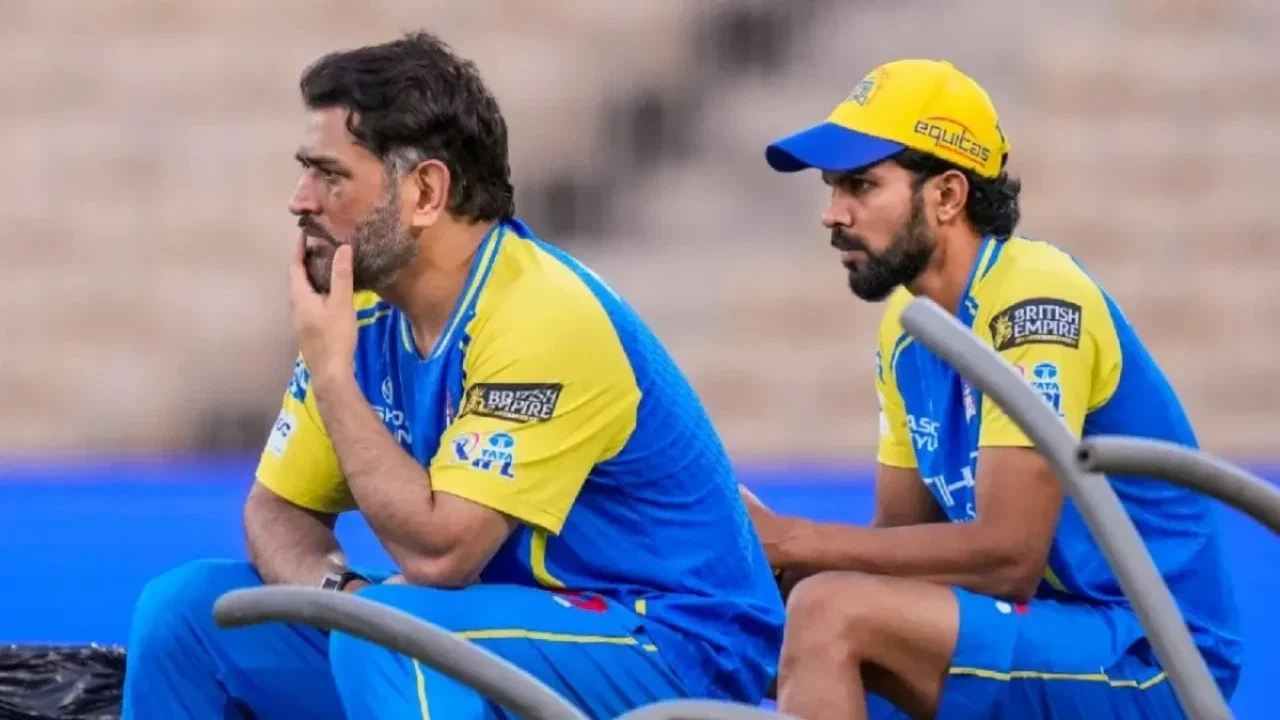
Speaking at a special event held at the MA Chidambaram Stadium ahead of the crucial clash against Sunrisers Hyderabad, Dhoni addressed the philosophy behind his mentorship of Gaikwad. The former Indian skipper highlighted that the key to a successful captaincy transition lies in granting the successor complete freedom to imprint their own identity on the team.
Dhoni’s approach to leadership has always been grounded in the belief that cricket is a captain’s game. He elaborated on the distinction between team management in other sports versus the autonomy required on a cricket pitch. “What I told Rutu was to run CSK the way he wanted to run it. That’s how I have run CSK for a very long time,” Dhoni noted. He pointed out that while support staff and coaches play vital roles, the final execution and decision-making on the field must rest solely with the person leading the side.
Defining Leadership Styles
The CSK icon emphasized that personality differences are inevitable in sports leadership. He acknowledged that while Gaikwad might naturally adopt certain habits or strategic frameworks from his predecessor, it is essential for the young leader to build his own path. According to Dhoni, true growth as a leader only occurs when an individual accepts full accountability for the outcomes of their decisions—both successes and failures.
- Total Autonomy: Dhoni encourages captains to trust their instincts rather than relying on external control.
- Responsibility: A leader must own the decision-making process to learn effectively.
- Strategic Freedom: Dhoni maintains an open-door policy for advice, but insists the captain has the ultimate right to reject any suggestion.
Dhoni further clarified his role in the current setup, stating that he does not seek to micromanage. “I’m very open; I’ll come and talk to you, but you don’t have to do even one thing that I speak to you about,” he remarked. This hands-off approach is designed to foster confidence in Gaikwad, ensuring he remains the primary architect of the team’s strategy.
The Road Ahead for CSK
The timing of these comments is significant, as the Chennai Super Kings find themselves in a precarious position during the 2026 IPL season. Currently sitting in sixth place with 12 points from 12 matches, the team faces a must-win situation in their final home game against Sunrisers Hyderabad to keep their playoff aspirations alive. The pressure on Gaikwad is immense, but Dhoni’s public backing underscores a smooth transition of authority within one of the most successful franchises in league history.
Ultimately, Dhoni’s philosophy serves as a masterclass in sports management. By prioritizing the development of the individual and advocating for the captain’s sovereignty on the field, he is ensuring that the legacy of Chennai Super Kings is not just maintained, but potentially evolved for a new generation. Whether this is Dhoni’s final season or merely a chapter in a long-standing career, his influence on the culture of CSK is undeniably permanent.