Muzumdar urges India to ‘stay in the present’ after T20 World Cup malfunction

Contents
Moving Past the World Cup Disappointment
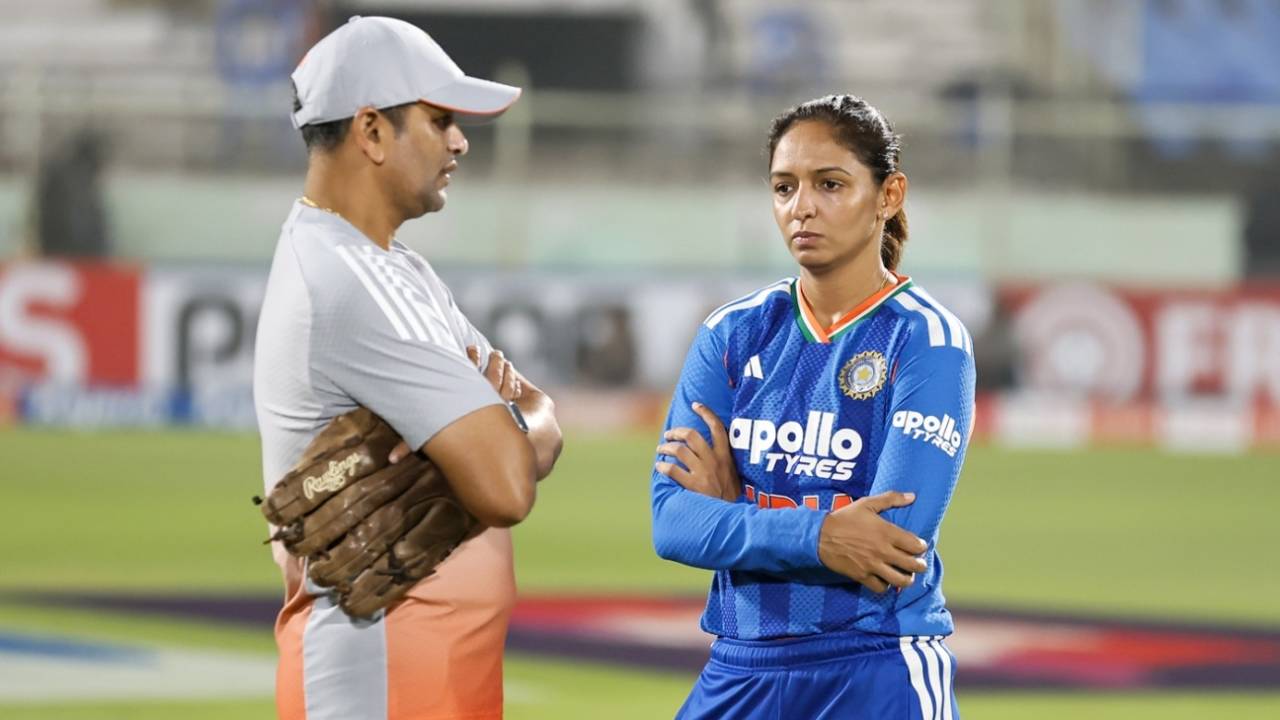
The Indian women’s cricket team is standing on the precipice of history, but to step forward, they must first let go of the past. Forget the 2026 T20 World Cup and focus entirely on the immediate challenge—this is the core message head coach Amol Muzumdar is instilling in his players. Facing the daunting task of rebuilding team morale, Muzumdar urges India to ‘stay in the present’ after T20 World Cup malfunction disrupted what was supposed to be a triumphant campaign.
India’s early departure from the tournament, often referred to as the ‘group of death,’ came after critical losses to South Africa and Australia. The exit was a heavy blow, stripping the team of their opportunity to simultaneously hold both the ODI and T20 World Cup titles. Failing to advance past the group stage in consecutive T20 World Cups has naturally sparked intense discussions regarding team selection, strategic execution, and even the leadership of captain Harmanpreet Kaur. However, the national selectors have opted for stability, resisting any immediate or drastic changes to the squad structure.
“What is gone, we cannot change it. We have discussed about it within the squad,” Muzumdar stated during a press conference. “All we need to do is look forward and prepare the best we can for the event ahead. So I guess that’s been the talk. I’m sure all the players are looking forward for the Test match. Just leave aside the disappointment and get into the present.”
A Historic First at the Home of Cricket
The immediate opportunity for redemption is nothing short of monumental. On Friday, India will walk out at Lord’s for a historic, first-ever women’s Test match at the legendary venue. In a landscape where women’s Test matches remain rare, this fixture represents a massive milestone for the sport. To put the rarity into perspective, England has not played a Test match since January 2025, while India is preparing for only their second Test of the calendar year, following a challenging 295-run defeat against Australia in Perth.
Muzumdar highlighted the emotional and historical weight of the upcoming match, drawing parallels to other landmark moments in cricket history. “I think the first one will always be special,” he explained. “The first-ever World Cup win was special. The first-ever Test match at Lord’s will be special. Just looking forward to the next four to five years, what women’s cricket will bring. You never know.”
The head coach believes that playing more long-format games is crucial for the growth of the sport. By exploring the unique dynamics of multi-day women’s cricket, the game can attract larger crowds and build a deeper fan base. “The more we do it, the more people turn up, the more popular the women’s game becomes, the better it is for everyone. So, I guess this Lord’s Test Match is a special one,” Muzumdar added.
Evaluating Domestic Pathways and Squad Selection
While the excitement around the Lord’s Test is undeniable, it also shines a spotlight on the structural challenges facing women’s red-ball cricket. In an effort to provide players with longer-format experience, the BCCI reintroduced the women’s multi-day competition in 2024 using an inter-zonal format. However, scheduling remains a persistent issue. Positioned at the tail end of the domestic season right after the high-octane Women’s Premier League (WPL), the multi-day tournament is often perceived as an afterthought rather than a core pillar of the cricket calendar.
This scheduling conflict is reflected in the current Test squad. Only two players in the selection lineup participated in the recent domestic red-ball tournament: fast bowler Sayali Satghare and batter Priya Punia. Another domestic performer, Pratika Rawal, was unfortunately ruled out of the historic Lord’s clash due to a knee injury. Despite these gaps in experience, Muzumdar defended the domestic system, pointing out its long-term benefits.
“Look, I mean, again, domestic cricket, we restarted the red-ball tournament in the last three or four years and it has thrown in a lot of players,” Muzumdar remarked when questioned about the viability of the current domestic pathway.
The Mental Transition to Red-Ball Cricket
Adjusting to the rigors of Test cricket after months of T20 focus is no simple feat, but Muzumdar expects his players to adapt quickly. With another Test match scheduled against South Africa later this year, India is playing more red-ball cricket than in previous cycles, demanding a rapid shift in mindset from the squad.
“I personally feel that it just should be a click in your mind about playing red-ball cricket and white-ball cricket. There’s not much of a difference,” Muzumdar asserted. He emphasized that the fundamental skills remains the same, though the physical and tactical demands differ significantly.
The longer format brings distinct challenges, such as the physical endurance required to bowl 100 overs in a single day and maintaining tactical discipline across four days of play. Yet, for Muzumdar, these challenges are precisely what makes Test cricket so compelling. “Red-ball cricket is always exciting, and it brings different challenges… different excitement, different abilities come to the fore. So, I guess Test cricket will always be Test cricket. Personally, calling me an old timer, red-ball cricket brings a lot of excitement. In this squad at least, what I’ve seen in the dressing room, they’re all looking forward to the Test match, and they’re geared up for it.”