Dominant Partnership: Nat Sciver-Brunt, Heather Knight Put England in Final

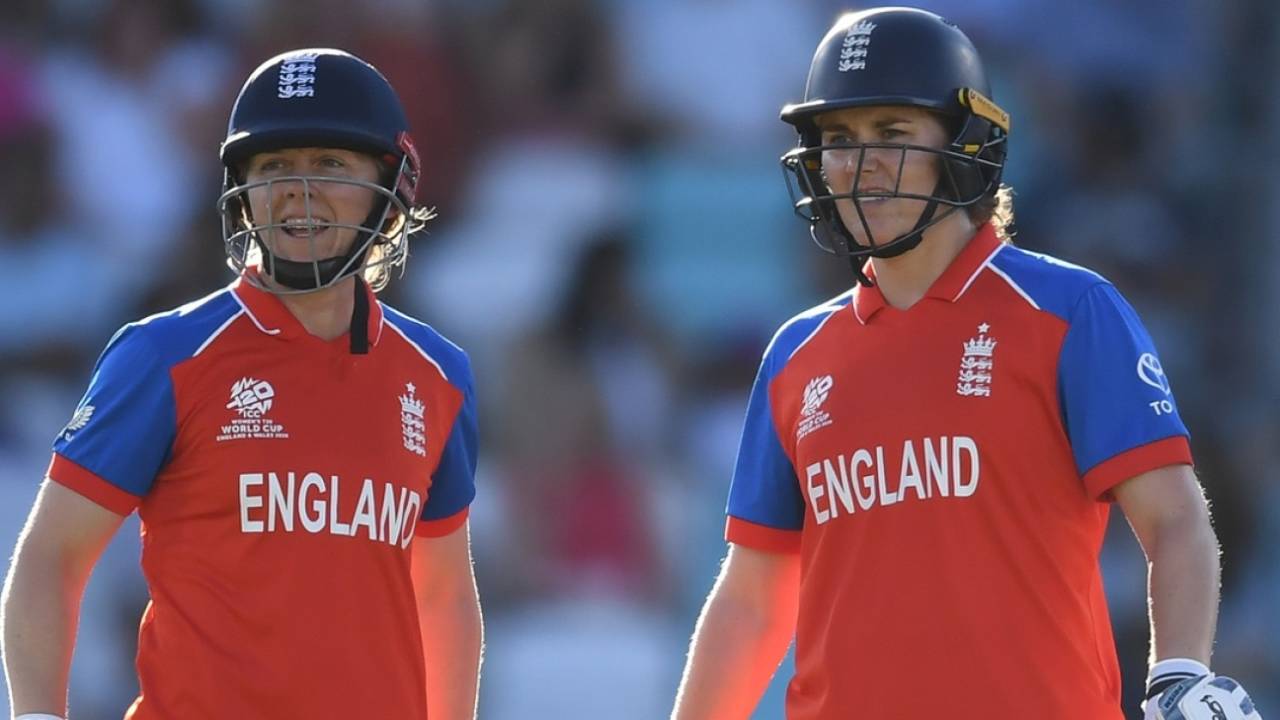
England’s journey to the final of their home T20 World Cup culminated in a decisive 40-run victory over South Africa, powered by exceptional batting performances from Nat Sciver-Brunt and Heather Knight. This crucial semi-final clash saw England overcome an early wobble to post a commanding total, demonstrating their resilience and depth. The win not only secured their spot in the final but also avenged recent semi-final losses against the Proteas, showcasing a team truly hitting its stride at the optimal moment.
The cornerstone of England’s innings was a magnificent 133-run fourth-wicket partnership between Sciver-Brunt, making an impactful return from injury, and captain Heather Knight. This partnership, forged off just 90 balls, was a masterclass in rebuilding and acceleration, rescuing England from a precarious position of 35 for 3. It stands as the highest partnership for any wicket in a Women’s T20 World Cup semi-final, highlighting the monumental effort required to steer their side towards a competitive total. Their combined effort ensured England set a formidable target, paving the way for their bowlers to defend.
Nat Sciver-Brunt, who had missed three previous games due to a recurrence of a calf injury, showed no signs of rust. Her scintillating knock of 75 runs came off an aggressive 47 deliveries, a display of powerful hitting and astute shot-making that dismantled the South African bowling attack. Her ability to quickly re-integrate into the team and deliver such a match-winning performance underscores her importance to the England setup and her remarkable ability to perform under pressure. Her innings was punctuated by boundaries and intelligent rotation of strike, building momentum at a critical juncture.
Complementing Sciver-Brunt’s aggression, Heather Knight played a captain’s innings, contributing a vital 58 runs from 47 balls. Knight’s experience and calm demeanour were essential in steadying the innings and guiding the partnership. Her ability to rotate the strike effectively and find the gaps ensured that the scoreboard kept ticking over, preventing the South African bowlers from building continuous pressure. Together, the current and former captains orchestrated a recovery that not only shifted the momentum but also instilled confidence throughout the English camp.
The 169 for 5 posted by England proved to be a daunting target for South Africa. In response, England’s bowlers delivered a disciplined performance, restricting the Proteas to 129 for 8. The collective effort ensured that South Africa never truly threatened the target, despite some individual resistance. Lauren Bell and Charlie Dean were particularly impressive, each picking up two wickets for 28 and 31 runs respectively, tightening the screws in the middle overs and preventing any significant partnerships from developing for South Africa.
Ismail, Kapp Win Opening Gambits
The match had begun with South Africa’s pace spearheads, Shabnim Ismail and Marizanne Kapp, making a significant impact during the powerplay. Their early onslaught had England reeling at 35 for 3, marking the hosts’ equal worst powerplay performance in the tournament. Kapp’s spell was particularly economical and incisive, conceding just one boundary on her way to figures of 1 for 16 from her four overs. Ismail, too, was lethal, finishing with 2 for 31 and etching her name in the record books.
Shabnim Ismail made history by becoming the first woman to claim 50 wickets in Women’s T20 World Cups. Her milestone wicket came with the very first ball of her spell in the second over, dismissing England opener Amy Jones. Jones, who had struggled for form since her opening-night half-century, tentatively leaned back to cut a short ball, only to offer a leading edge to Annerie Dercksen at cover point. This early dismissal set a nervous tone for England’s innings.
Ismail continued her destructive run, securing her second wicket in as many overs. Following a hopeful but unsuccessful South African review for an LBW against Sciver-Brunt, Ismail trapped Alice Capsey plumb in front. Although replays later indicated a faint inside edge, Capsey’s decision not to review left England further depleted. Sandwiched between these dismissals was a moment of brilliance from Marizanne Kapp, who beat the inside edge of the in-form Danni Wyatt-Hodge’s tentative prod, clean bowling her and tearing out the off stump. Wyatt-Hodge, the tournament’s leading run-scorer, could only manage 12, leaving South Africa firmly on top and England in deep trouble.
Despite the early setbacks, England showcased the enviable batting depth that has finally gelled throughout the summer season. Their ability to recover from a precarious position underscored the resilience and strategic planning within the squad. This victory was particularly sweet for England, coming after recent semi-final defeats to South Africa in both the 2022 50-over World Cup and the 2023 T20 edition. Overcoming this psychological hurdle and performing under intense pressure at home speaks volumes about the team’s growth and determination.
The triumphant journey through the semi-final has now set the stage for an epic showdown against Australia in Sunday’s title decider at Lord’s. The final promises to be a thrilling encounter between two of the sport’s most dominant forces, with England carrying the momentum and confidence gained from their comprehensive semi-final performance. The home crowd will undoubtedly be out in full force, hoping to witness England lift the coveted T20 World Cup trophy.