PCB May Fly Players to USA for Power-Hitting Training: A Strategic Move

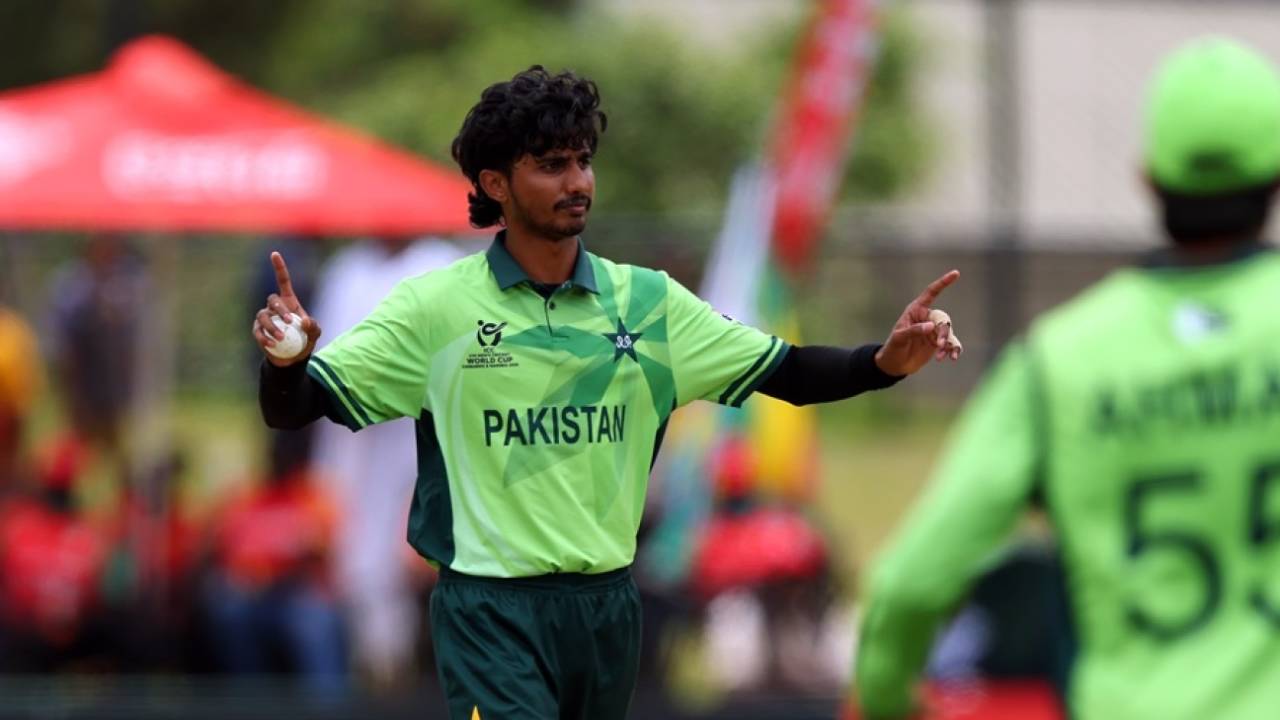
The Pakistan Cricket Board (PCB) is reportedly evaluating a strategic proposal to send a select group of cricketers to the United States for an intensive power-hitting training program. This initiative is designed to immerse players in a distinct learning environment, fostering the development of specialized skills crucial for modern white-ball cricket. While the logistical arrangements are still being finalized and the roster of players remains undetermined, Pakistan’s white-ball coach, Mike Hesson, has confirmed that such a plan is actively in progress.
A Vision for Enhanced Skillset and Diverse Exposure
Mike Hesson elaborated on the rationale behind this innovative approach, stating, “We’re sending some players to the US. There’s some power-hitting expertise over there, and we’re exploring some options.” He emphasized that the program targets players recovering from long-term injuries, as well as those who the PCB wishes to expose to novel power-hitting methodologies. The concept of spending up to four months in a dedicated facility is envisioned to provide a unique opportunity for players to absorb fresh ideas and refine their techniques away from the familiar pressures of the domestic circuit. This extended period would allow for deep immersion in advanced training modules, focusing on biomechanics, bat speed, and strategic shot selection, all under the guidance of specialized coaches.
The move also signals the PCB’s broader intent to revolutionize its long-standing medical and fitness culture, an area often perceived as a weakness within Pakistan cricket. This ambition was recently underscored by the appointment of Dr. Javed Mughal, a UK-based physiotherapist, as Director Sports and Exercise Medicine earlier this year. Dr. Mughal, at a press conference alongside PCB chairman Mohsin Naqvi, unequivocally declared fitness a “non-negotiable” aspect of professional sport. He further highlighted the PCB’s commitment to player welfare by announcing the development and implementation of a “robust, reliable and repeatable testing and screening battery” now being applied to all players.
Integrating Fitness and Skill Development
Hesson acknowledged Dr. Mughal’s arrival and the ongoing transformative changes within Pakistan’s National Cricket Academy (NCA), clarifying that the proposed US training program extends beyond mere fitness. “There’s a bit of a collaboration. It’s certainly not just strength and conditioning,” Hesson explained. “We’ve got Javed Mughal who’s come in here and changing the way players are training and assessing them in a different way. So he needs time to plan it out as well.” This holistic approach suggests that the power-hitting training in the USA would be seamlessly integrated with the new fitness protocols, ensuring that players not only enhance their offensive capabilities but also build the physical resilience required to sustain high-performance levels in international cricket.
The emphasis on a “different learning environment” is critical. It implies a departure from conventional training methods, seeking out specialized knowledge and techniques that may not be readily available within the existing infrastructure. This proactive stance by the PCB aims to bridge any gaps in player development, particularly in an era where power-hitting has become an indispensable component of successful white-ball cricket across formats.
Nurturing Future Stars: The Case of Ali Raza
Among the promising talents reportedly under consideration for this elite program is 18-year-old fast bowler Ali Raza. Widely touted as one of Pakistan’s most exciting white-ball pace prospects, Raza’s inclusion would highlight the program’s objective to invest in and nurture young talent. Raza was a key member of Pakistan’s U19 Asia Cup-winning squad last year, where his impressive spell of 4-42 against India in the final, including the crucial early wicket of Vaibhav Sooryavanshi, showcased his immense potential. More recently, he grabbed a hat-trick in the Pakistan Super League (PSL) for Peshawar Zalmi, further cementing his reputation.
Despite his burgeoning talent, Raza has yet to make his international debut, primarily due to the PCB’s meticulous focus on managing his fitness and workload. Hesson addressed the general perception of pace bowling injuries, stating, “Pace bowling wise, there’s no more injuries [within Pakistan] than there are anywhere else in the world.” However, he stressed the importance of preparing Raza adequately for the rigors of international cricket. “We’re trying to get Ali Raza fit and strong enough to deal with the demands of international cricket. It’s tough trying to be able to bowl multiple spells and sustain his pace.” Hesson underscored that while Raza’s top-end pace is exciting, the true test lies in maintaining that intensity under pressure, which heavily relies on a robust physical foundation. Therefore, a focused training regimen, potentially involving exposure to advanced sports science in the USA, is deemed crucial for his long-term success.
The PCB’s willingness to explore such avenues reflects a forward-thinking approach to player development. Hesson concluded on an optimistic note, stating, “I think it’s good that we’re looking at exploring those [options of sending players to the US], rather than saying ‘no, you have to stay here’.” This sentiment encapsulates a new era for Pakistan cricket, where innovation, international exposure, and a relentless pursuit of excellence are becoming the guiding principles for shaping the next generation of cricketing stars.