How Rinku Singh Rediscovered Form: Inside KKR’s Turnaround Strategy

Contents
Centre-Wicket Practice and a New Trigger: The Making of Rinku Singh‘s Comeback
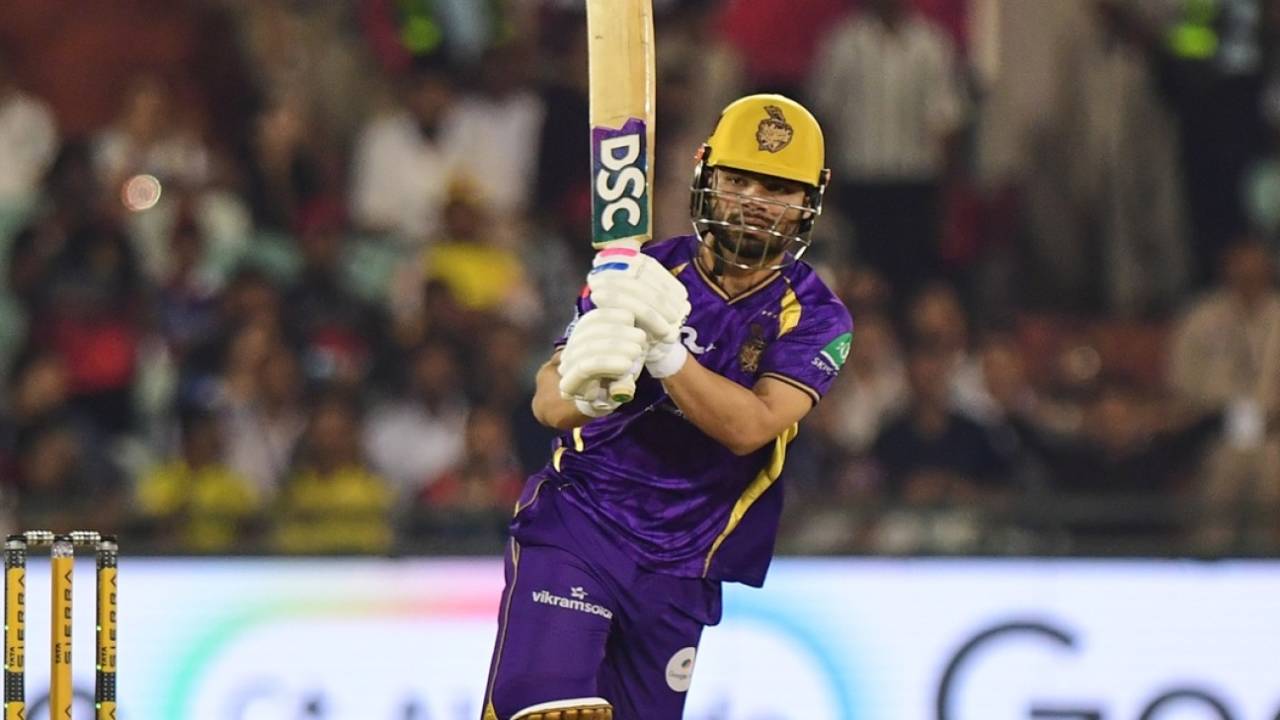
Kolkata Knight Riders’ Rinku Singh was staring at a season slipping away. After managing just 4, 1, and 6 in three of his first five innings in IPL 2026, questions were beginning to surface. But now, the left-hander has silenced doubters with 207 runs in his last four innings—unbeaten every time—while striking at an explosive 172.
His latest contribution—an unbeaten 49 off 29 balls—helped KKR post 192 against Royal Challengers Bengaluru on a Raipur pitch that played better than expected. But behind this sudden resurgence lies months of quiet work, subtle technical changes, and a team environment built on trust.
A Walk Across the Crease: The Technical Shift
Head coach Abhishek Nayar revealed that one of the key adjustments was a change in Rinku’s trigger movement. Unlike earlier in the season, when he stayed rooted, Rinku now walks across the stumps before the ball is delivered—a small but significant tweak.
“If you would have noticed, his initial movement changed; he’s now walking across compared to before,” Nayar explained. “We kind of figured that out, maybe that can help him, and he’s never done that, so we added that to his batting. It helped him.”
This new movement allows Rinku to better access off-side areas and line up yorkers, giving him a split-second advantage in high-pressure finishing situations.
Centre-Wicket Practice: Rebuilding Confidence
But the transformation wasn’t just technical. Nayar emphasized the importance of centre-wicket practice—hitting on the same pitch conditions KKR expected to face.
“One of the things we tried when we were not doing so well was a lot of centre-wicket practice to bring the confidence back,” Nayar said. “Same with Varun [Chakravarthy], same with Rinku, because they were two really important players for us and didn’t start the tournament well.”
These sessions weren’t just about muscle memory—they were about mindset. Facing realistic conditions under match-like scenarios helped restore belief in Rinku’s ability to clear boundaries and control run chases.
More Than Just Batting: Creating a Safe Space
Nayar highlighted the emotional toll that poor form can take, especially in the hyper-scrutinized world of the IPL.
“I know from the outside you don’t understand what a player goes through,” he said. “It’s really hard for an individual to not have a good game and come back, and the amount of messages they get, even from close friends or family—it’s not easy for them.”
That’s why KKR focused on consistency—not just in technique, but in team culture. Instead of overhauling the squad during tough patches, they chose to back their core players.
This explains why Rovman Powell has retained the finisher’s role despite inconsistency, and why Matheesha Pathirana, despite his potential and price tag, has remained benched.
Staying the Course: KKR’s Philosophy
“We didn’t make a lot of changes because I don’t believe in making a lot of changes,” Nayar emphasized. “We just tried to back the players that we’ve trusted for so long and hoped that we get better results.”
The approach is paying off. KKR have won four of their last five matches. Though they sit eighth with nine points from 11 games, they’re still alive in the playoff race—with three crucial home games remaining at Eden Gardens.
Nayar remains hopeful that Varun Chakravarthy, nursing a toe fracture, will return soon to rejoin Sunil Narine and Anukul Roy in the spin attack—a combination that has historically shut down oppositions.
“We’re always excited to go back home,” Nayar said. “We’re looking to make sure when Varun comes back, we get our strong bowling side back together and use home conditions to our advantage.”
For now, Rinku Singh stands as the symbol of KKR’s quiet resilience—a player rebuilt not overnight, but through process, patience, and belief.