Scotland still have 2028 T20 World Cup automatic qualification incentive

Contents
A Crucial Final Stand
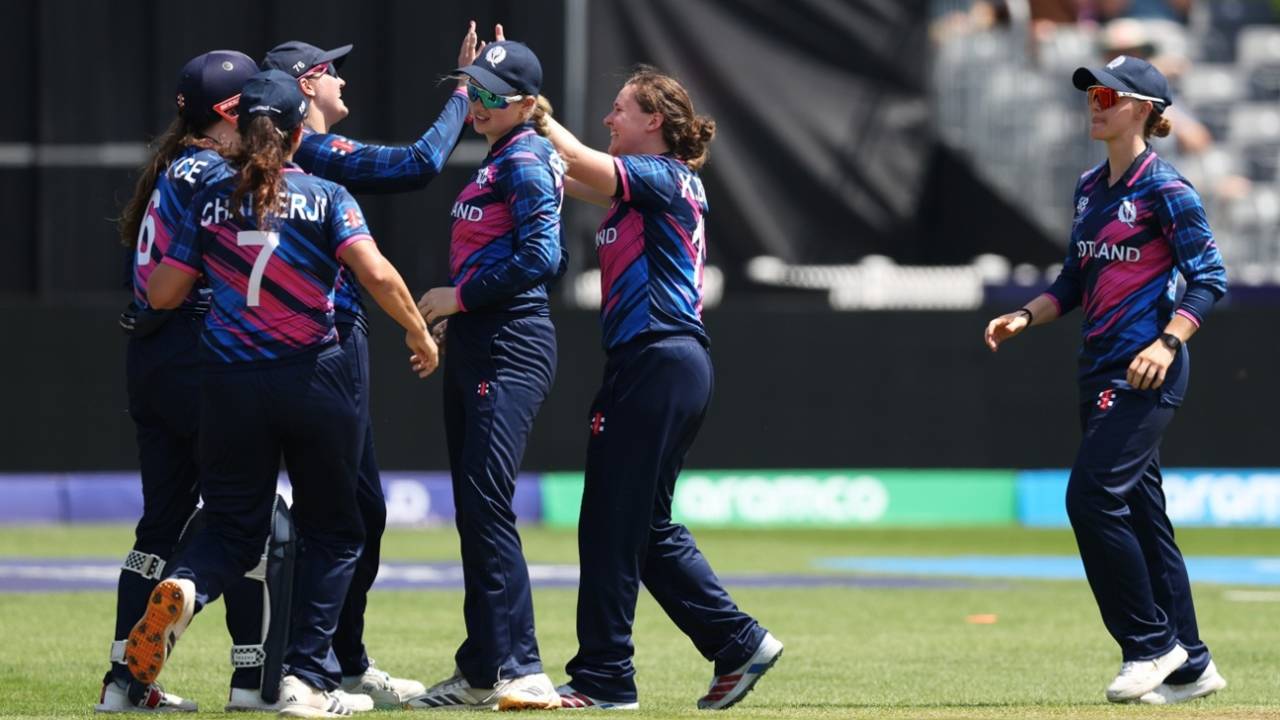
While the dream of reaching the semi-finals may have slipped away, the campaign for Scotland is far from over. There is a tangible, high-stakes reward on the line that could define the team’s trajectory for the next four years. Scotland still have 2028 T20 World Cup automatic qualification incentive, and it is the primary focus as they prepare for their final outing of the tournament. Securing a spot in the next global showpiece—to be held in Pakistan—is the ultimate objective, and the math suggests that everything is still within reach.
The Path to Qualification
The qualification structure for the next 12-team T20 World Cup is rigorous, making direct entry through group performance invaluable. According to official criteria, the top four teams in each group at the current tournament earn their place automatically. For Scotland, the mission is simple: finish in the top four to avoid the treacherous, high-pressure path of a global qualifier tournament.
Currently, the standings are tight. Scotland finds themselves in fifth place in their group, trailing fourth-placed Sri Lanka. The gap between them is marginal, and the net run-rate creates a narrow window of opportunity. Should Scotland secure a victory in their final match against Sri Lanka, they could leapfrog their opponents and potentially overtake New Zealand, provided other results fall their way. This would elevate them into that coveted top-four bracket, effectively bypassing the need for a secondary qualifying event.
Understanding the ICC Criteria
To grasp the gravity of the situation, it is essential to look at how the International Cricket Council (ICC) has structured the qualification process. The criteria are as follows:
- Top performers: The teams that finish in the top four of each group at the T20 World Cup.
- Host nation: Pakistan, as the host, earns an automatic berth.
- Ranking-based entry: Should a host already be qualified through group standings, the next-highest-ranked teams on the ICC Women’s T20I rankings as of July 6, 2026, will secure spots.
- Global Qualifier: The remaining two spots in the tournament will be determined via a final global qualifier tournament.
As the table currently stands, the competition is fierce. In Group 1, the top four—Australia, India, South Africa, and Bangladesh—appear relatively entrenched. However, Group 2 remains fluid. Scotland has the chance to tie on points with both Sri Lanka and New Zealand. Achieving this would force a complex calculation of net run-rate, turning their final group game into a virtual knockout match.
The Importance of Rankings
The situation becomes even more pressing when considering the ICC rankings. Currently, Ireland occupies ninth place, followed by Bangladesh in tenth, with Scotland sitting in 11th. If the qualification were to be decided strictly on current rankings, Scotland would narrowly miss out on an automatic spot. This highlights why a top-four finish in the current tournament is not just a statistical milestone, but a vital strategic necessity.
By finishing in the top four, Scotland would render the ranking-based uncertainty irrelevant. Failure to do so would leave their future in the hands of the rankings board or force them to navigate a competitive global qualifier. Having already proven their mettle by beating Ireland earlier in the tournament, the team has shown they can compete at this level. Now, they must channel that intensity into one last effort to ensure their place on the world stage in 2028.
Looking Ahead
The landscape of women’s international cricket is evolving rapidly. With only two spots available through the global qualifier, the margin for error is razor-thin. For a team like Scotland, securing an automatic berth would provide stability, funding, and the necessary preparation time to compete against the world’s elite in Pakistan. Every ball in their final group match will carry the weight of an entire cycle of tournament preparation. The players are well aware of what is at stake; they are playing not just for a win, but for their direct passage to the next era of T20 cricket.