
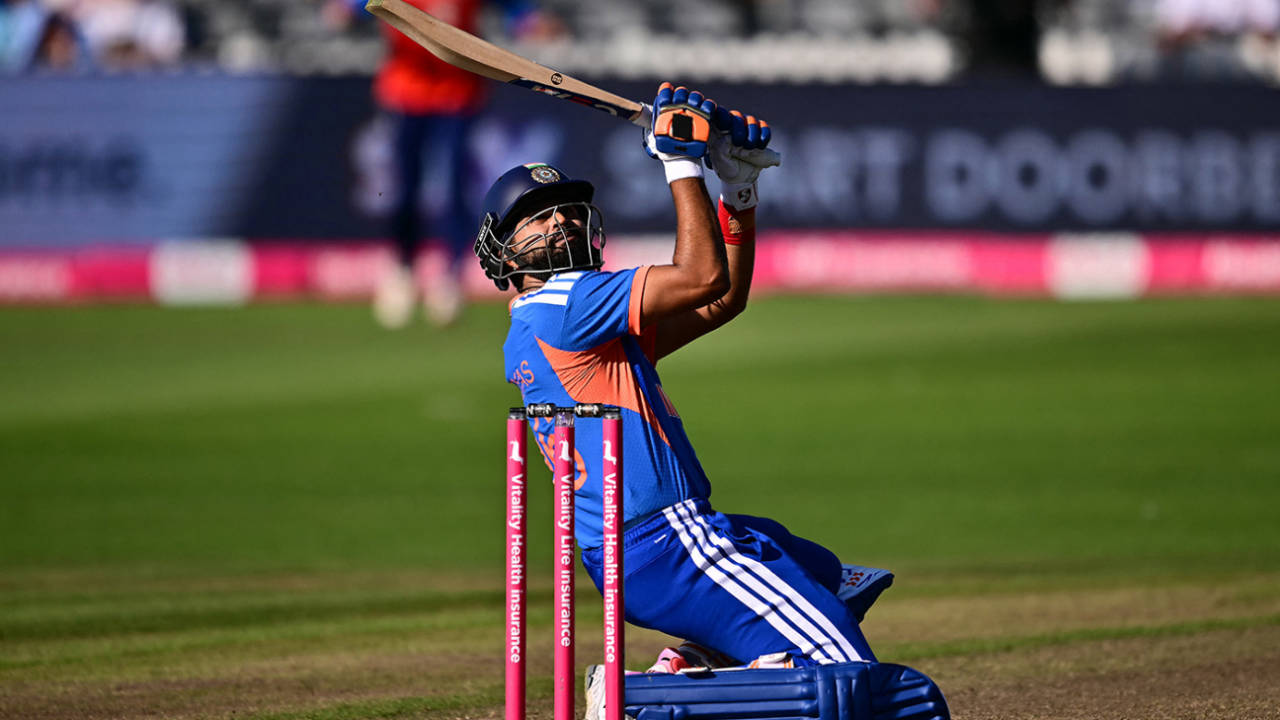
India’s skipper, Shreyas Iyer, has consistently underscored the critical importance of adaptability as his team prepares for the challenging T20I series against Zimbabwe. Fresh off a demanding tour in England, Iyer and four other key players have faced a rapid turnaround, arriving in Zimbabwe just over 48 hours before the first match at the Harare Sports Club. This compressed schedule, coupled with the unique conditions of a new country, presents an immediate test of their resilience and strategic acumen.
Contents
The physical and mental toll of international cricket’s relentless calendar is something Iyer openly acknowledged. ‘I’m not going to lie, it is definitely very challenging,’ Iyer stated, reflecting on the whirlwind travel and immediate shift from recovery to practice and then directly into competitive play. ‘Like we came yesterday and today is practice and tomorrow is match again. So it is challenging, but it is fun. If you give a good performance, you will be happy with yourself and you will definitely get praises.’ This sentiment highlights the inherent pressure but also the intrinsic rewards that drive these elite athletes.
The challenge extends beyond mere physical recovery; it encompasses a rapid mental adjustment to new pitches, differing ground dimensions, and the unique atmosphere of a host nation. For a team that has been on the road, transitioning seamlessly from one environment to another becomes paramount, and Iyer’s leadership will be crucial in fostering this quick acclimatization among his squad.
The ‘Reality Check’ from Ireland and the Call for Awareness
Iyer emphasized that a recent ‘reality check’ against Ireland served as a stark reminder of the necessity for sharp strategic thinking. In that series, the Irish team masterfully exploited their home ground’s dimensions, ultimately upsetting India. This experience has clearly resonated with Iyer, who is determined to prevent similar missteps in Zimbabwe.
‘We have to adapt as soon as possible, because that’s what happened with us in Ireland. So I think we got a sort of reality check there,’ he explained. ‘So as soon as we come here and create awareness, right execution, definitely the results will go our way.’ This statement underscores a dual focus: immediate adaptability and heightened awareness of the local conditions, which are critical for effective execution of game plans. The lessons from Ireland are not just about specific tactics but about a broader mindset shift towards proactive adjustment.
Building for the Future: Positives from a Tough Phase
Despite facing a ‘rough patch’ in England, Iyer was keen to highlight the valuable lessons gleaned from those challenging encounters. ‘A lot of positives came out of that. We got to know what we have to build as a team going forward, what kind of presence of mind, awareness, and adaptability we need once we step onto the field.’ These experiences, though perhaps not yielding the desired results on the scoreboard, have provided invaluable insights into team dynamics and individual performance under pressure.
The Zimbabwe tour is viewed as another significant opportunity for growth. ‘Again, this is going to be a great challenge for us. Some of us are playing here for the first time. So the quicker we adapt, the better result we would get.’ For many players, this marks their debut on Zimbabwean soil, making the collective ability to understand and conquer unfamiliar conditions a defining factor in their success.
Embracing the Game Without Fear
A core tenet of Iyer’s captaincy philosophy revolves around eradicating the ‘fear of failure.’ He believes that this mental barrier can significantly impede a player’s natural abilities and decision-making. ‘I don’t think they should have a fear of failure,’ Iyer asserted. ‘Because when you have such thoughts in the back of your mind, then you play to save yourself. When you don’t have the thought of fear of failure, you can get the best out of yourself. So I want to convey this message.’
This psychological approach encourages players to play with freedom and express their skills fully, rather than being bogged down by the potential consequences of mistakes. Iyer also urged his team to disregard external noise and stay focused on the present. ‘The talks that are happening outside, what people will say if this series went up and down – don’t think too much about it. We have to stay in the present day. The more we play good cricket, the more we play with unity as a team, the team will benefit from it. We will think about the individuals later.’ This emphasis on collective performance and present-moment awareness aims to build a cohesive and mentally robust unit.
Adversity Forges Stronger Bonds
Interestingly, Iyer views the recent series losses to Ireland and England not as setbacks, but as catalysts for stronger team bonds. ‘Definitely, as you know, the results didn’t go our way. That has brought the team closer to each other,’ he shared. These periods of adversity have spurred crucial discussions and strategic planning within the squad.
‘We have been having a lot of discussions about how we are going to play as a unit going forward, especially against Zimbabwe right now. Yes, we have had three series outside of India. And it is great exposure for us as well, as a team, because you don’t get this often. And this is a challenging phase. And the quicker you overcome this phase, the better you get as a team. And you get the results as well eventually.’ This perspective frames tough tours as invaluable learning experiences that enhance team cohesion and provide essential exposure to diverse international cricketing environments.
Personal Growth Through Challenges
Iyer’s own journey, marked by a tough captaincy initiation and a significant injury setback in Australia last year, has instilled in him profound lessons. Despite a winless streak as captain across seven matches, he sees these experiences as foundational to his personal and professional development. ‘I feel it has made me more confident as an individual,’ he stated, reflecting on his recovery and return to the game.
‘Because as quickly as possible, when you overcome the injury phase, mentally it makes you very positive. You work on your skills. You work on your strengths and weaknesses. And I have this feeling that when you overcome this barrier as an individual, it makes you stronger as a person.’ This speaks to the transformative power of overcoming personal hurdles. He believes that navigating such challenges equips one with the mental fortitude to tackle any obstacle, both on and off the field.
‘And then whatever challenges you face on the field, you know how quickly you can overcome it. So, yes, there can be ups and downs. But the quicker you analyse and the quicker you execute stuff the way you want to, I feel that you are in a great space of mind. And at the end of the day, it’s beneficial for the team as well.’ Iyer’s philosophy underscores the importance of quick analysis and decisive action, leading to a positive mental space that ultimately benefits the entire team. His personal evolution serves as a testament to the resilience required at the highest level of sport.