Vijay Hazare Trophy 2025-26: Shaping the Future of Indian ODI Cricket
Contents
A New Chapter in Domestic Excellence
The 33rd edition of the Vijay Hazare Trophy, which commenced on December 24, has transformed into more than just a domestic tournament. While the presence of global icons like Virat Kohli and Rohit Sharma has naturally drawn significant attention, the tournament serves a deeper purpose: identifying the next generation of talent capable of representing India on the international stage. As the Indian cricket team navigates a transitional phase, selectors are keeping a watchful eye on performances that could reshape the national ODI blueprint.
The Rohit-Kohli Dynamic: Balancing Legacy and Logic
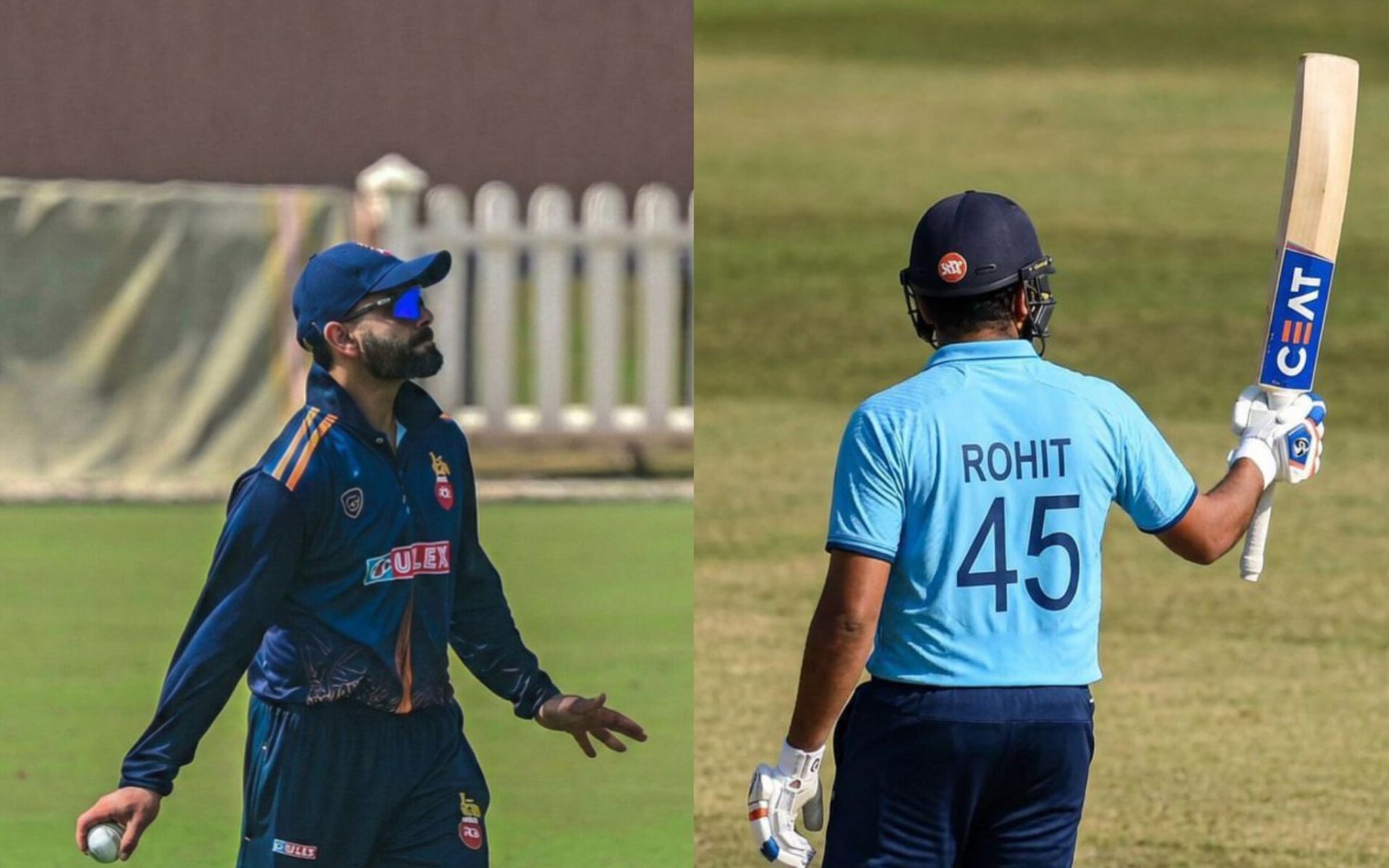
The involvement of Rohit Sharma and Virat Kohli in domestic cricket has sparked considerable debate within the Indian cricketing fraternity. Some critics have questioned the necessity of forcing established legends to compete at this level, while others view it as a testament to their unwavering commitment. Former India chief selector MSK Prasad recently offered a balanced perspective, suggesting that the focus should remain on clear communication rather than mandatory participation. According to Prasad, ambiguity creates unnecessary friction, and the board should prioritize a performance-based policy that allows legends the freedom they have earned over their illustrious careers.
Despite the discourse, both Sharma and Kohli have hit the ground running with centuries in their opening fixtures. These performances send a clear signal: their sights are firmly set on the 2027 World Cup. However, maintaining peak match fitness at their age remains a primary challenge given their immense workload across all formats.
The Search for a Number Three Successor
Perhaps the most pressing tactical question for the Indian management is the vacancy at the number three position. Virat Kohli has owned this spot for 15 years, but the need to build a succession plan is undeniable. While Kohli’s current form provides a safety net, the team must be proactive. Dhruv Jurel has emerged as a top prospect in this regard. With 147 runs in two matches at an impressive average of 73.50 and a strike rate of 124.57, Jurel is making a compelling case for himself as a future anchor for the Indian middle order.
Developing a Sustainable Pace Attack
Beyond batting, the management is critically assessing the pace-bowling depth. The reliance on Jasprit Bumrah has at times masked the vulnerabilities of the overall pace attack, particularly in 50-over conditions. If India is to succeed in the next World Cup cycle, building a diverse pool of fast bowlers is non-negotiable.
Several young pacers have seized the spotlight in the current edition of the Vijay Hazare Trophy:
- Raj Limbani: Representing Baroda, Limbani has been a revelation, claiming eight wickets in just two innings, including a spectacular five-wicket haul.
- Devendra Singh Bora: The Uttarakhand bowler has claimed seven wickets in two matches. Notably, he made headlines by dismissing Rohit Sharma for a golden duck, proving he has the temperament to challenge the best in the business.
Looking Ahead: A Strategic Imperative
While India’s talent pool in ODI cricket remains deep, the game’s inherent uncertainties demand constant vigilance. The Vijay Hazare Trophy 2025-26 is not merely a collection of matches; it is a laboratory for experimentation and refinement. By integrating the experience of senior leaders with the raw potential of emerging players like Jurel, Limbani, and Bora, the BCCI is ensuring that the Indian team remains competitive for years to come. As the tournament progresses, the focus will remain on whether these domestic performances can translate into long-term success at the international level.