Virat Kohli Slams IPL’s ‘Content-First’ Culture: A Call for Privacy

Contents
The Price of Fame: Virat Kohli’s Stand Against Constant Surveillance
For nearly two decades, Virat Kohli has been the heartbeat of Indian cricket. His every move on the field is dissected by millions, and his life off the field is a subject of endless fascination. However, the modern landscape of the Indian Premier League (IPL) has introduced a new layer of pressure: the relentless pursuit of digital content. In a recent and candid revelation on the RCB podcast, Kohli expressed his growing discomfort with the ‘content-first’ culture that has permeated the league, suggesting that the line between fan engagement and privacy has become dangerously blurred.
Kohli’s move to London was a calculated decision to reclaim a sense of normalcy for himself and his wife, Bollywood star Anushka Sharma. By limiting his time in India to international commitments and the IPL, he has sought to cultivate a private life. Yet, even within the supposed sanctuary of the team environment, the cameras are omnipresent. “I love the pressure that comes with the game but not the pressure of anything else,” Kohli stated, highlighting the distinction between competitive stress and the artificial weight of digital expectations.
The Digital Dilemma: When Practice Becomes a Production
The rise of franchise social media teams has transformed how fans consume cricket. Digital teams now follow players everywhere, seeking the viral moments that drive views and grow fan bases. While Kohli acknowledges the role of social media in the sport’s growth, he believes the current trajectory is unsustainable and detrimental to the players’ professional preparation.
The Lack of Organic Freedom
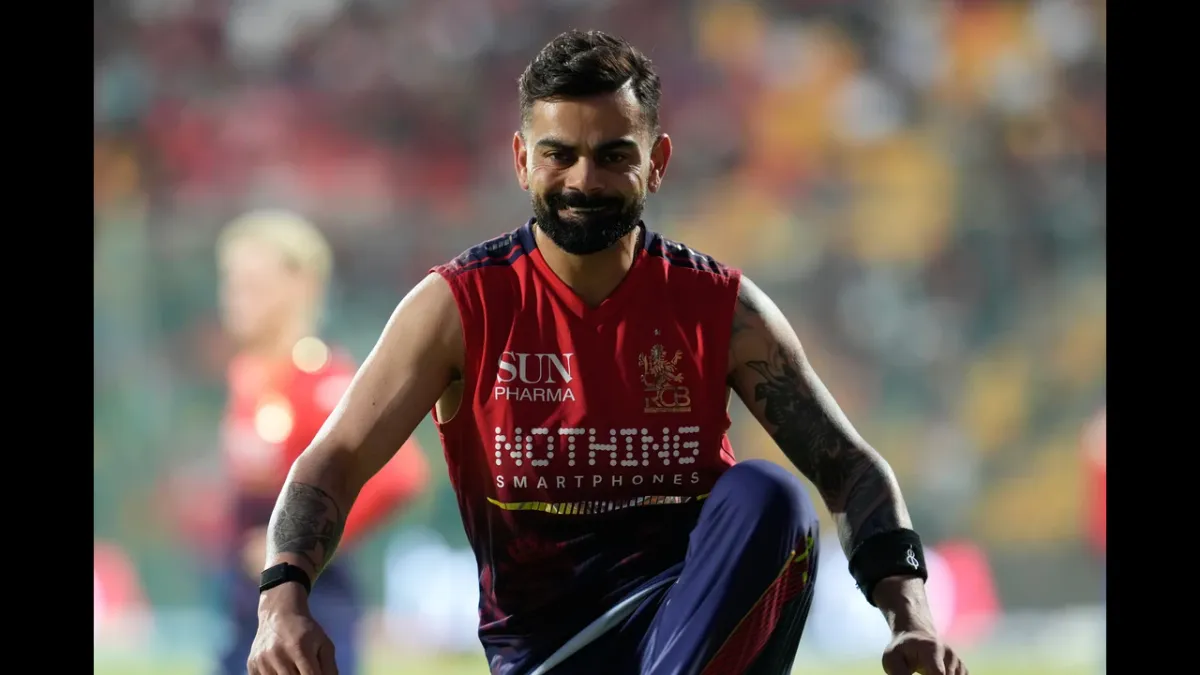
According to Kohli, the constant presence of cameras during practice sessions stifles creativity and prevents athletes from experimenting with their game. “When you go out for practice, there are six cameras following you. It is not a comfortable feeling,” he explained. Practice is traditionally a time for trial and error, a place where a player can fail in private to succeed in public. When every movement is recorded, that freedom disappears.
- Loss of Privacy: Players feel unable to work on technical flaws without fear of public scrutiny.
- Stifled Innovation: The pressure to appear ‘perfect’ on camera prevents players from trying new techniques.
- Unfair Judgment: Kohli argues that players should be judged solely on their performance during the match, not on their behind-the-scenes preparation.
“You need freedom to work on your game. You are not organic if everything is filmed,” Kohli noted. He expressed concern that recorded practice sessions could lead to unnecessary discussions and debates regarding his methods, asserting that no one has the right to judge his process away from the match spotlight.
The Incident with Kane Williamson and the Robotic Dog
To illustrate the absurdity of the current content climate, Kohli shared a specific instance involving his long-time friend and contemporary, Kane Williamson. During the 19th season of the IPL, while Williamson was associated with the Lucknow Super Giants, the two were attempting to have a serious conversation.
The interaction was interrupted by ‘Champak,’ a robotic dog operated by a digital team. “I was talking to Kane, who is my friend. We were having a serious conversation, and I saw a hand-waving gesture of a dog. I told the guy operating it to take him away,” Kohli recounted. The frustration was evident; the simple act of two friends talking had been turned into a potential content piece, stripping away the authenticity of the moment. “I can’t have a conversation with Kane without it being filmed. I need a space to talk to Kane freely,” he added.
A Call for Regulations and Boundaries
The veteran batter is now urging IPL officials and franchise digital teams to implement clear rules and regulations regarding player coverage. He believes that the players’ comfort must be a priority when planning digital strategies. For Kohli, it is a matter of respect and professional boundaries.
“We need to draw a line,” he asserted. “It is important to understand whether a player is okay with being filmed. I think these things need to be taken into account because it is getting to be too much.” This call for a more streamlined process suggests that while fan engagement is vital, it should not come at the expense of the athlete’s mental well-being or their ability to perform.
Dominance on the Pitch Amidst the Noise
Despite his grievances with the off-field environment, Kohli’s on-field performance remains peerless. In the ongoing IPL 2026 season, he has continued to shatter records and silence critics. Having recently scored a magnificent century against the Kolkata Knight Riders, Kohli has now reached a total of 9 centuries in the history of the tournament. Furthermore, he has achieved the monumental milestone of completing 14,000 runs in the shortest format of the game.
As a leading contender for the Orange Cap, Kohli has already crossed the 400-run mark this season. His contributions have been pivotal in leading the Royal Challengers Bengaluru to the playoffs. Under the leadership of Rajat Patidar, the team has secured eight victories and is currently eyeing a top-two finish. If they can win their remaining two contests, RCB will be in a prime position to challenge for their second consecutive title.
Ultimately, Kohli’s message is a reminder that while cricketers are entertainers, they are first and foremost professional athletes. As the IPL continues to evolve as a global entertainment powerhouse, the balance between ‘content-first’ and ‘player-first’ strategies will be a defining challenge for the league’s future.