Virat Kohli’s RCB Challenge CSK To Make Rare IPL Record After 5 Years
Contents
The Philosophy of Stability: RCB’s Tactical Masterclass
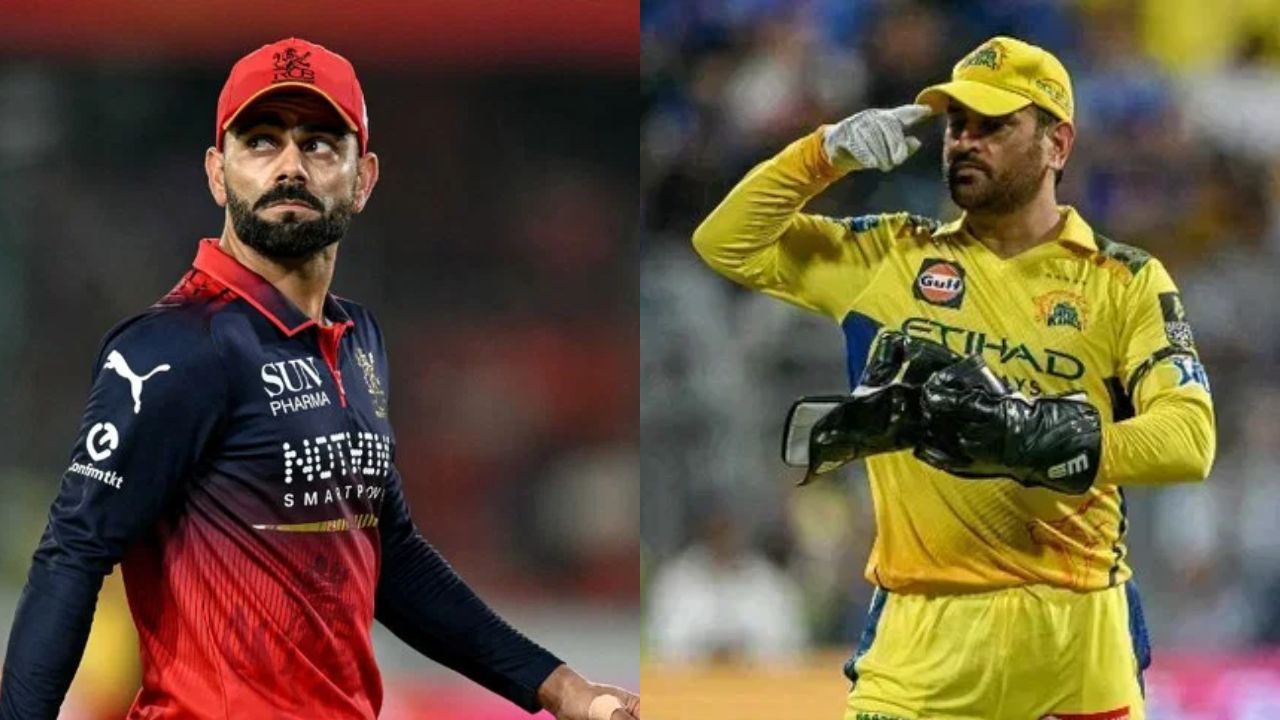
In the high-stakes environment of the Indian Premier League, where squad depth is often touted as the ultimate key to success, the Royal Challengers Bengaluru (RCB) have rewritten the manual. As the team prepares for the grand finale of the 2026 season, the narrative has shifted from mere victory to the remarkable efficiency of their roster management. Virat Kohli’s RCB Challenge CSK To Make Rare IPL Record After 5 Years, a feat defined by their commitment to a core group of players that rarely required shuffling.
Standing on the cusp of defending their IPL 2025 title, the squad led by Rajat Patidar has demonstrated that a balanced, high-performing core is far more potent than a revolving door of players. Despite having a full 25-man squad at their disposal following the 2026 auction, the team management opted for a streamlined approach that favored consistency over experimentation.
The Numbers Game: Fewest Players, Maximum Impact
Statistical analysis reveals that RCB utilized only 16 players throughout the entire 2026 campaign. To put this in perspective, this places them in an elite bracket of IPL history. The record for the fewest players used in a single season is currently held by the Chennai Super Kings, who famously rotated just 14 players during their 2015 campaign. Mumbai Indians follow closely, having utilized 15 players in both 2018 and 2020.
By sticking with 16, RCB finds themselves in the company of the 2018 Kolkata Knight Riders and the 2021 Chennai Super Kings. This selective usage highlights a deliberate strategy: identifying the right personnel early and trusting them to deliver under pressure. While injuries and off-field circumstances forced some changes, the core nucleus remained unshaken.
Building Around the Cornerstone
At the heart of this stability is the legendary Virat Kohli. Retained for a significant ₹21 crore, Kohli has been the bedrock of the team, playing every single match from the league stage through to the final. His presence provided the necessary psychological and technical anchor, allowing the rest of the team to settle into their roles without the anxiety of being dropped after a poor performance.
The investment in the squad was substantial, totaling ₹124.75 crore, yet the team avoided the trap of feeling compelled to use every asset. The strategy was clear: if the playing XI and the designated impact players were functional, there was no reason to disrupt the rhythm of the squad.
No season is without its trials, and RCB had their share of hurdles. Players such as Nuwan Thushara and Yash Dayal were unavailable due to specific circumstances—Thushara failing to meet fitness benchmarks set by Sri Lanka Cricket, and Dayal facing legal challenges that kept him sidelined. Furthermore, talented individuals including Swapnil Singh, Vicky Ostwal, Richard Gleeson, and Jordan Cox did not see any field time. While this speaks to the strength of the starters, it also highlights the ruthlessness of the team selection process.
Dominance Leading to the Finale
The proof of this strategy lies in the results. RCB stormed through the league stage, winning nine of their 14 matches and securing the top spot in the standings, despite a late-season stumble against Sunrisers Hyderabad. Their dominance was cemented with a clinical performance in Qualifier 1, paving their way to the Narendra Modi Stadium in Ahmedabad.
As the final showdown looms on May 31, the focus remains on whether this lean, mean machine can secure back-to-back titles. By challenging the traditional wisdom of deep rotation, RCB has proven that in the fast-paced world of T20 cricket, trust and continuity can be the most effective weapons of all.