WBBL still ‘the best’ competition despite growth of WPL and Hundred

Contents
The Enduring Legacy of the WBBL
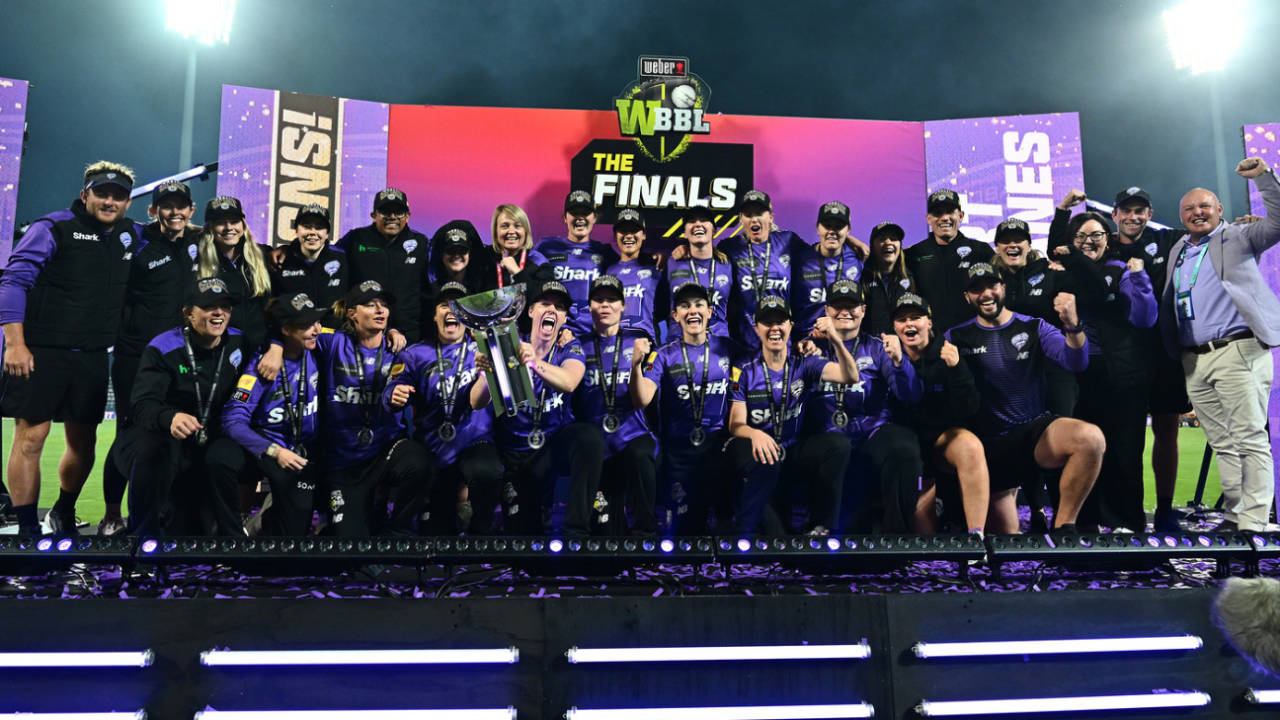
As the global landscape of women’s cricket undergoes a period of rapid transformation, Alistair Dobson, the executive general manager of Big Bash Leagues, has reaffirmed his stance that the Women’s Big Bash League (WBBL) maintains its status as the premier competition in the world. Despite the meteoric rise of the Women’s Premier League (WPL) in India and the popular Hundred in the United Kingdom, the WBBL continues to be viewed as the ultimate testing ground for top-tier talent.
A Distinct Competitive Window
The announcement of the 2026-27 WBBL schedule marks a strategic shift for the tournament. The league is set to kick off on October 29, with the final slated for December 5. This calendar placement is intentional, allowing the tournament to exist in a window that minimizes conflict with other major leagues. While the WPL occupies the January slot and The Hundred dominates July and August, the WBBL remains focused on its unique proposition: delivering the highest standard of cricket on the calendar.
Dobson acknowledges the strengths of rival leagues, noting the massive scale of the WPL and the atmospheric success of matches held in iconic UK stadiums. However, he remains steadfast in his belief. “We still believe the WBBL is the best of all of them, but it’s good to have competition,” Dobson remarked. He emphasizes that the league prides itself on being the toughest competition, where the standard of play demands excellence from every participant.
The Financial Landscape and Player Welfare
The influx of capital into the women’s game has certainly changed the dynamics of player contracts. Instances such as Beth Mooney securing a significant deal in The Hundred, valued at three times her WBBL contract, highlight the financial evolution of the sport. While the current model for overseas player salaries in the WBBL is under review, discussions are ongoing to ensure the league remains attractive and sustainable in an increasingly competitive market.
Focus on Melbourne and Venue Strategy
The upcoming season brings a specific focus on the Melbourne clubs, the Renegades and the Stars. Despite industry speculation regarding the potential merger of operations, the league is moving forward with optimism. Both clubs have been scheduled for the opening day double-header at the Junction Oval, a venue that has seen significant improvements, including new floodlights that allow for high-profile primetime evening slots. This commitment to the Junction Oval highlights a tactical move away from larger venues like the MCG or the SCG for the current season, prioritizing club-specific goals and fan engagement strategies.
A Case-by-Case Approach to Venues
The scheduling strategy for the 2026-27 season also reflects a nuanced approach to stadium selection. Unlike previous seasons, the league is not currently utilizing major stadiums like the Gabba or the MCG for its finals series. Instead, it is adopting a “case-by-case” philosophy. The Adelaide Strikers, for example, continue to prioritize matches at the Adelaide Oval, driven by their historical success and strong supporter base. This flexibility ensures that each club can cultivate its own brand identity while maintaining a professional and competitive environment.
The Future of the League
As the sport continues to grow, the balance between expansion and tradition remains a key challenge for administrators. Yet, by maintaining a focus on high-performance standards and strategic scheduling, the WBBL aims to stay at the forefront of the global game. The upcoming season promises to be a pivotal chapter in this story, proving that while new challengers have entered the arena, the competitive spirit of the WBBL remains as formidable as ever. As players take the field in October, the world will be watching to see if the Australian league can indeed hold its crown as the best in the business.