Ravindra Jadeja At No.4? The Tactical Thinking Behind RR’s Surprise IPL Playoffs – Analyzing Rajasthan Royals’ Tactical Move: Ravindra Jadeja at No. 4 in IPL Qualifier 2

Contents
A Tactical Gamble or Calculated Maneuver?
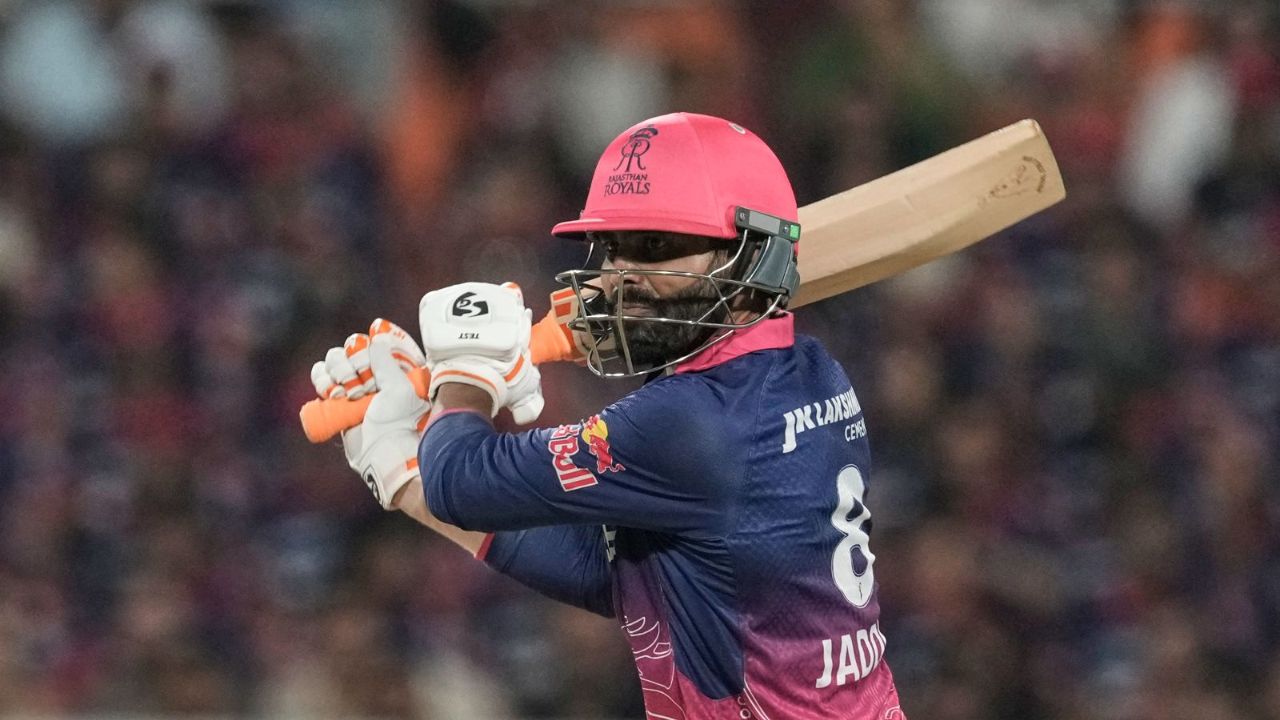
In the high-pressure environment of an IPL Qualifier 2, every decision made by team management is scrutinized under a microscope. Rajasthan Royals raised eyebrows during their knockout clash against Gujarat Titans when they promoted Ravindra Jadeja to the No. 4 position inside the powerplay, bypassing their regular middle-order batter and captain, Riyan Parag. This move, which seemed unconventional to many, serves as a fascinating case study in modern T20 tactical planning.
While the decision to send an experienced campaigner up the order while the captain remained in the dugout sparked immediate debate, a thorough analysis suggests that the Royals were not acting on impulse. Instead, they were utilizing a blend of historical performance data and situational management to navigate a precarious start.
The Statistical Case for Jadeja at No. 4
To understand why Rajasthan Royals felt confident in this promotion, one must look at the numbers. The move was far from a random roll of the dice. Before this innings, Ravindra Jadeja boasted a formidable record when batting at number four in the IPL. Across 15 innings, he accumulated 414 runs at an impressive average of 41.4, combined with a strike rate of 140.82. These figures are indicative of a player who thrives in the middle order, capable of both absorbing pressure and accelerating when necessary.
Furthermore, Jadeja’s ability to act as a ‘floater’ makes him an invaluable asset. Much like how other franchises have successfully utilized all-rounders to bridge the gap between top-order volatility and late-innings acceleration, RR leveraged Jadeja’s versatility to prevent their innings from collapsing after the early loss of wickets.
Managing the Powerplay and Player Fitness
The match context provided the primary catalyst for the change in order. With Yashasvi Jaiswal and Dhruv Jurel dismissed within the first two overs, the Rajasthan Royals found themselves facing the tournament’s most lethal new-ball attack with their backs against the wall. Protecting Riyan Parag—who is navigating the tournament while managing fitness concerns—from the immediate heat of the powerplay was a defensive and strategic masterstroke.
By sending Jadeja to anchor the innings, the management allowed Parag to wait for a more favorable match phase. The intention was clear: use the veteran’s calmness to neutralize the threat of the hard ball and the dangerous Gujarat Titans pacers, ensuring the skipper could enter the fray once the conditions stabilized and the ball softened slightly. Parag’s game, which centers around rotating the strike and attacking spin, is better suited for the middle overs rather than the volatile opening exchanges of a high-stakes powerplay.
Reflecting on the Strategy
While the immediate reaction from the gallery was one of surprise, the underlying logic is grounded in sound cricketing principles. The Rajasthan Royals were forced into a difficult position by the early dismissal of their openers, and they responded by turning to an experienced head capable of anchoring the ship.
Whether or not the specific tactical maneuver produced the desired result on the scoreboard, it highlights the importance of adaptability in T20 cricket. Teams can no longer rely on rigid batting orders; they must possess the courage to pivot based on the specific threats posed by the opposition and the physical state of their own personnel. This incident serves as a reminder that in the fast-paced world of the IPL, the most ‘surprising’ moves are often the ones that have been the most carefully considered behind closed doors.
Ultimately, the promotion of Jadeja was an attempt to prioritize match stability over conventional structure. It serves as a testament to the tactical evolution within the franchise, proving that even in the most intense knockout scenarios, there is a clear method to the madness.